In an era defined by persistent supply chain volatility and escalating geopolitical tensions, the U.S. Food and Drug Administration (FDA) is rapidly transforming from a traditional regulatory body into a pivotal force for global supply chain resilience and data-driven risk management. For food and beverage enterprises, understanding the FDA’s expanded mandate is no longer just about compliance; it is a critical determinant of operational stability, market access, and strategic hedging against an increasingly unpredictable global landscape.
The agency’s strategic shift, underscored by initiatives such as the New Era of Smarter Food Safety, transcends mere food safety protocols. It fundamentally reshapes the technological and logistical infrastructure required to operate within, and import into, the U.S. market. Businesses that fail to integrate these evolving standards into their core supply chain design—from upstream sourcing to last-mile delivery—face not only regulatory penalties but significant competitive disadvantages and erosion of investor confidence. The FDA’s push for enhanced traceability, enabled by digital technologies, serves as both a compliance burden and a strategic imperative for de-risking global operations.
FSMA 204: The Imperative for Data Pipeline Integration
Central to the FDA’s modern supply chain strategy is the Food Safety Modernization Act (FSMA) Section 204, mandating enhanced traceability for certain high-risk foods. This is not merely an incremental update; it represents a paradigm shift towards ubiquitous, granular data collection across the entire food supply chain. For multinational corporations, this necessitates a complete re-evaluation of their data architecture. Legacy systems, often siloed and disparate, are insufficient. The requirement for a traceability lot code and critical tracking events (CTEs) at each step—harvesting, cooling, packing, shipping, receiving, and transformation—demands an integrated, interoperable data pipeline capable of real-time information exchange.
From a macro perspective, the FDA’s insistence on this digital backbone creates a de facto international standard for data exchange, influencing how global suppliers must structure their information systems. Companies investing in blockchain-enabled traceability or robust ERP-integrated solutions will gain a significant competitive edge, allowing for rapid recall management, enhanced transparency, and ultimately, greater consumer trust. Conversely, those relying on paper records or fragmented digital ledgers risk border delays, product impoundment, and exclusion from lucrative U.S. markets. The financial implications extend beyond direct compliance costs, touching upon inventory management efficiency, waste reduction, and the ability to demonstrate due diligence to insurers and stakeholders.
Geopolitical Supply Chains and Import Vigilance
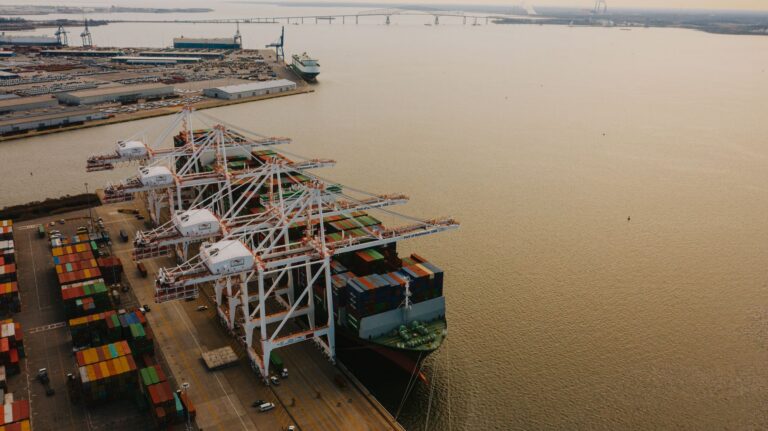
The FDA’s role extends significantly into the geopolitical realm through its oversight of imported goods. With over 175 countries supplying food products to the U.S., the agency’s Foreign Supplier Verification Programs (FSVP) and increased scrutiny at ports of entry are critical mechanisms for managing risks originating from diverse regulatory environments and geopolitical hotspots. The FDA actively monitors global outbreaks, natural disasters, and political instabilities that can compromise the safety and integrity of food imports. This means that geopolitical shifts in key sourcing regions—be it trade disputes, labor unrest, or climate events—can trigger heightened FDA surveillance, necessitating agile sourcing strategies and robust risk assessment frameworks.
For businesses, this translates into the need for global hedging strategies that diversify sourcing geographically and pre-qualify alternative suppliers capable of meeting stringent FDA requirements. Relying heavily on single-country suppliers, especially those in regions susceptible to political instability or less mature regulatory oversight, introduces untenable risk. Investment in foreign supplier auditing capabilities, leveraging AI for predictive risk analytics on global supply routes, and establishing robust contingency logistics plans become non-negotiable. The financial impact of a single import refusal can be catastrophic, involving not just lost product value but significant demurrage, storage, and re-exportation costs, alongside reputational damage.
Leveraging Technology for Predictive Compliance and Risk Mitigation
The FDA’s embrace of a ‘New Era of Smarter Food Safety’ is a clear signal that technology integration is no longer optional. This era emphasizes harnessing artificial intelligence, machine learning, and advanced data analytics for predictive risk assessment, faster recall initiation, and continuous monitoring. For the industry, this means developing sophisticated data pipelines that feed into real-time dashboards, providing granular visibility into product provenance, ingredient authenticity, and potential points of contamination or adulteration.
Companies that strategically invest in these technologies can transform compliance from a cost center into a competitive differentiator. Predictive analytics can identify potential supply chain vulnerabilities before they manifest as crises, allowing for proactive intervention. For example, integrating real-time environmental data with sourcing information can pre-emptively flag regions at risk of contamination. Furthermore, digitally verifiable supply chain data enhances the speed and accuracy of customs clearance, reducing costly delays and improving logistics efficiency. The ability to demonstrate a fully transparent, digitally auditable supply chain can also become a significant asset in securing financing, insurance, and premium market positioning.
Strategic Implications for Global Food & Beverage Enterprises
The FDA’s expanded role in supply chain oversight fundamentally alters the strategic calculus for food and beverage enterprises. It mandates a shift from a reactive, minimum-compliance mindset to a proactive, integrated strategy where regulatory adherence is woven into the very fabric of supply chain design and risk management.
Key strategic takeaways include:
- Investment in Data Infrastructure: Prioritize building robust, interoperable data pipelines to meet FSMA 204 requirements and enable predictive analytics. This is a long-term capital investment with strategic returns.
- Diversified Sourcing & Geopolitical Hedging: Systematically evaluate and diversify global sourcing portfolios to mitigate risks associated with country-specific regulatory changes, trade disputes, or environmental shocks. Build a network of pre-qualified, FDA-compliant suppliers across different regions.
- Technological Adoption as a Strategic Asset: Embrace AI, blockchain, and IoT for enhanced traceability, real-time monitoring, and predictive risk assessment. These technologies improve compliance and operational efficiency.
- Collaboration and Transparency: Foster deeper collaboration with supply chain partners, emphasizing data sharing agreements and joint compliance initiatives. Transparency across the value chain will be a non-negotiable for FDA scrutiny.
- Continuous Regulatory Intelligence: Establish dedicated functions for monitoring global regulatory changes, especially those emanating from the FDA, to anticipate future requirements and adjust strategies accordingly.
In conclusion, the FDA’s intensified focus on supply chain integrity, driven by modern technological capabilities and a heightened awareness of global risks, presents both significant challenges and profound opportunities for the food and beverage industry. Enterprises that proactively integrate these mandates into their operational strategy, leverage data and technology effectively, and build resilient, diversified supply chains will not only ensure compliance but solidify their market position and long-term viability in an increasingly complex global trade environment.