California’s fast food industry just got a gut punch. As of April 1st, the minimum wage for a significant segment of fast-food workers across the state officially jumped to a staggering $20 an hour. For operators clinging to razor-thin margins in an already volatile market, this isn’t just a cost increase; it’s an existential threat demanding immediate, brutal operational overhauls. This isn’t about charity; it’s about survival. The Sacramento Bee’s inquiry into ‘who actually gets it’ might miss the point – the real question for businesses is, ‘who actually pays for it, and how do we not bleed out?’
While the headlines celebrate a win for labor, the reality on the ground is far grimmer for business owners. This isn’t a marginal adjustment; it’s a 25% bump from the previous $16 state minimum, all hitting a sector notoriously reliant on high volume and lean staffing. The notion that ‘fast food workers’ uniformly receive this hike is simplistic. Many skilled, long-term employees might already be earning close to or above $20. The actual ‘recipients’ are often entry-level staff, but the ripple effect across the entire wage structure—wage compression for mid-level supervisors, increased pressure to raise all wages—means the cost burden is far more pervasive than often portrayed.
The Immediate Blow: Labor Cost Escalation
Let’s be blunt: labor is often the single largest controllable expense for any restaurant, especially in the quick-service sector. A 25% increase at the base means every shift, every employee, every hour now costs significantly more. This isn’t absorbed by a magic money tree. It comes directly from the bottom line, which for many fast-food operators, particularly franchisees, is already perilously close to zero. The expectation that businesses can simply ‘absorb’ this ignores the fundamental economics of the industry. The first, most painful response will invariably be found in one place: labor hours reduction.
Operators are not waiting. We are already seeing reduced operating hours, fewer staff per shift, and a brutal re-evaluation of staffing models. The casual Saturday afternoon crew? Now a luxury. The extra hands during non-peak hours? Gone. This isn’t a negotiation; it’s a necessity. Businesses will run with the absolute minimum number of bodies required to keep the doors open and the line moving, pushing the remaining staff to their absolute limits. The idea of a ‘living wage’ quickly gives way to the reality of ‘fewer available hours’ for many.
Operational Reckoning: Lean or Die
This isn’t just about cutting hours; it’s about a complete operational paradigm shift. The California $20 wage is a stark accelerator for two critical trends in the food service industry:
1. The Automation Imperative
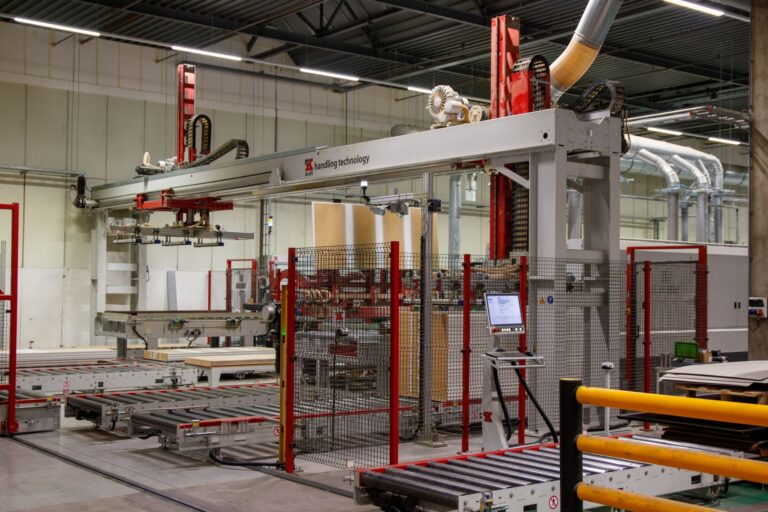
For years, automation was a strategic advantage; now, it’s becoming a defensive necessity. Self-ordering kiosks, robotic fryers, automated beverage dispensers, and AI-driven inventory management systems are no longer futuristic novelties. They are critical tools for survival. Every dollar saved by replacing a human task with a machine now directly translates into a dollar that can either offset the increased wage bill or protect a sliver of margin. This shift will disproportionately affect entry-level positions, creating a paradox where policies designed to elevate minimum wage may inadvertently reduce the overall number of minimum wage jobs.
2. Ruthless Menu Engineering & Pricing Strategies
Passing costs directly to the consumer is an option, but not an unlimited one. There’s a price ceiling for a Big Mac or a taco. Operators will be forced into a delicate dance of price increases, often incrementally, to test market tolerance. We’ll also see more subtle tactics: shrinkflation, reducing portion sizes while maintaining price, or quietly reformulating ingredients. Menu simplification is another critical lever. By reducing the number of complex items, operators can streamline kitchen processes, reduce waste, and improve speed, allowing fewer staff to handle higher volumes. High-margin items will be pushed, while low-margin, high-labor offerings will be scrutinized, potentially cut.
The Franchisee Squeeze and Market Consolidation
The fast-food landscape in California is dominated by franchisees – independent business owners who operate under a brand’s umbrella. They bear the brunt of these labor costs directly. While franchisors might offer limited support, the ultimate responsibility for profitability rests squarely on the franchisee’s shoulders. This pressure will inevitably lead to:
- Business Closures: Especially for smaller, less efficient operations or those with expiring leases. The economics simply won’t pencil out.
- Reduced Expansion: Why open new locations in California when the labor costs make profitability so challenging? Capital will flow to friendlier states.
- Market Consolidation: Stronger, better-capitalized operators with multiple locations might be able to leverage economies of scale and technology investments more effectively, potentially acquiring struggling units. The independent operator’s days are increasingly numbered.
This isn’t just about California; it’s a critical test case. What happens here will be closely watched by legislators and operators nationwide. If this model works, expect it to spread. If it leads to widespread closures and job losses, it serves as a stark warning.
The Consumer & The Value Proposition
Ultimately, a significant portion of these increased costs will land squarely on the consumer. Fast food’s core appeal has always been its affordability and convenience. As prices creep up, often dramatically, the value proposition erodes. Will a $15 burger still be ‘fast food’? Will families continue to choose it over cooking at home or opting for more traditional, full-service restaurants where the price difference becomes negligible? The market will decide, and that decision could be brutal for operators.
Furthermore, the expectation placed on the remaining, higher-paid staff will be immense. Customers paying more will expect flawless service, faster delivery, and perfect orders. The pressure to perform under a ‘leaner’ model will be intense, potentially leading to burnout and a more stressful work environment, ironically undermining some of the intended benefits of higher wages.
Conclusion: Adapt or Perish
The California $20 fast food minimum wage isn’t a policy debate for Foodsatlas.com readers; it’s a brutal reality hitting the P&L statement right now. The notion of ‘who actually gets it’ pales in comparison to ‘who actually pays for it, and what do they sacrifice to survive?’ Operators must engage in a ruthless pursuit of efficiency. Every single operational process, every item on the menu, every hour on the schedule must be scrutinized and optimized. Lean operations are no longer a best practice; they are the only practice.
This is a defining moment for the California fast food industry. It will force innovation, drive automation, and undoubtedly lead to consolidation and closures. For those who remain, the future demands unparalleled strategic agility and a steely resolve to protect every single margin point. Adapt, innovate, or perish. There are no other options.