The latest noise stirring up the fast-food industry isn’t about a new menu item or a marketing stunt; it’s the cold, hard reality of labor costs hitting the bottom line. A recent analysis, highlighted by The National Interest’s “In 1 Chart, What Your Favorite Fast-Food Items Would Cost With $15 Minimum Wage,” lays bare the stark implications. For any operator who thinks this is just about tacking a few cents onto a burger, they’re dead wrong. This isn’t a tweak; it’s a seismic shift demanding a brutal re-evaluation of every operational facet, from the fryer to the drive-thru window. Forget hypothetical menu price hikes; the real story is about how operators, especially those clinging to razor-thin margins, are going to survive without bleeding cash.
The chart in question graphically illustrates what many in the industry already know but dread to articulate publicly: a $15 minimum wage mandate means a significant increase in the cost of producing fast food items. What it doesn’t fully capture, however, is the cascading effect beyond mere ingredient and direct labor costs. It’s a simplistic view that fails to grasp the intricate web of operational expenses tied to payroll. A higher base wage isn’t just about paying more per hour; it inflates payroll taxes, worker’s compensation premiums, and often necessitates adjusting wages for existing, more experienced staff to maintain internal pay equity. The cumulative impact means the cost per transaction, per item, rockets far beyond the direct hourly increase. We’re talking about a fundamental re-calibration of the entire cost structure.
The True Cost: Beyond the Timecard
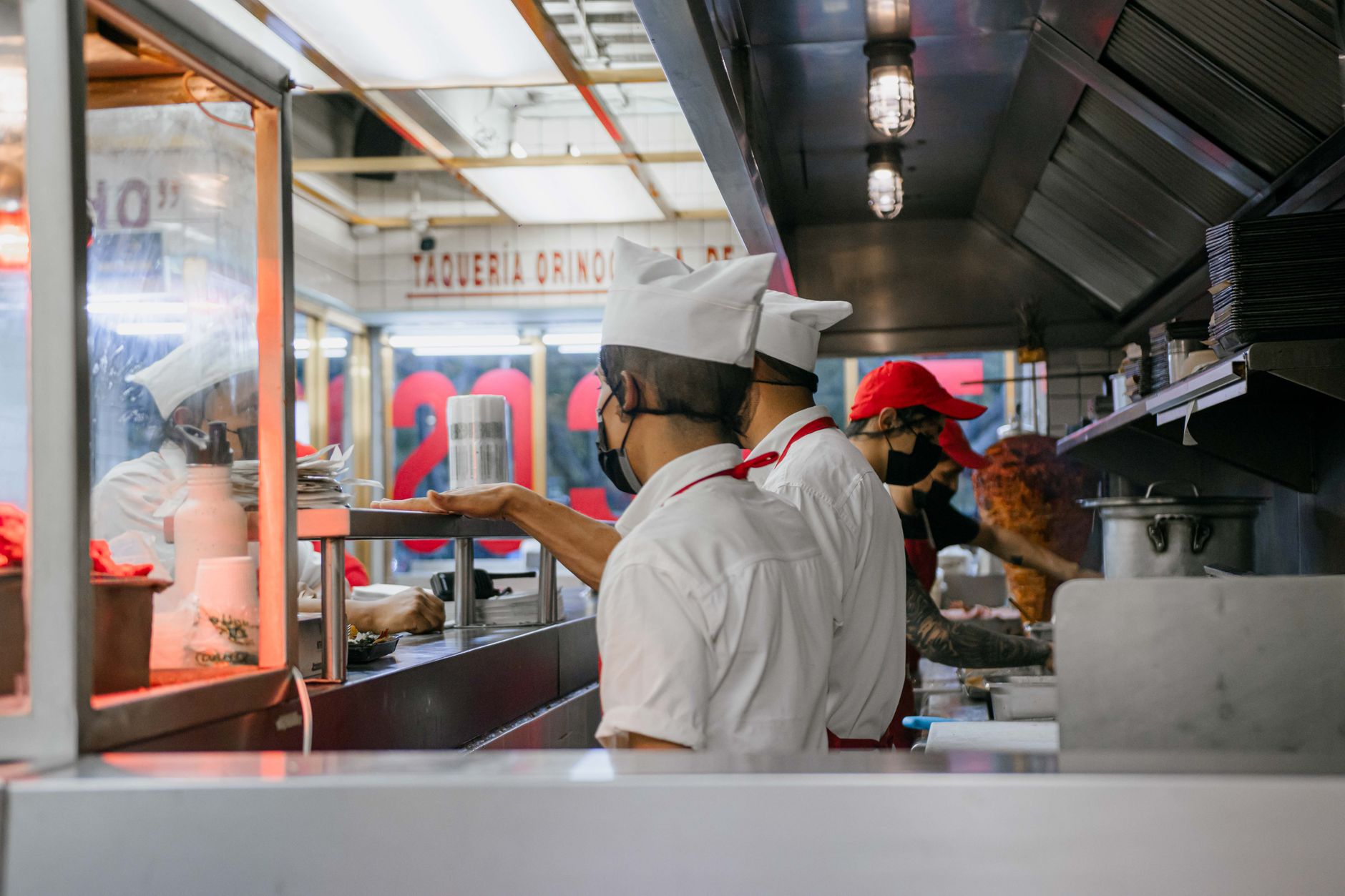
For decades, the fast-food model thrived on efficiency, speed, and a relatively low-cost labor force. That era is rapidly closing. The move towards a $15 minimum wage across various states and municipalities isn’t a debate point anymore for many; it’s a grim operational reality. Consider the ripple effect: a new minimum wage employee starts at $15/hour. What about the shift lead who’s been with you for three years, currently making $16? Their expectation, and rightly so, will be for a commensurate raise to maintain their differential. This isn’t hypothetical; it’s basic human psychology and a core element of employee retention. Suddenly, your entire wage scale is pushed upwards, creating a substantial new baseline cost for the entire workforce.
This isn’t just about labor, though labor is the biggest hammer. It forces a fundamental question: how do you maintain profitability when your largest controllable expense category—labor—sees an unprecedented jump? The answer isn’t simply “raise prices.” While some increases are inevitable, consumers have a price elasticity threshold. Push too hard, and they walk. The consequence? Reduced foot traffic, lower sales volume, and ultimately, even greater margin compression. The fast-food industry operates on volume and efficiency. Disrupt either, and you’re looking at a serious profitability crisis.
Operational Overhaul: Lean Principles as a Lifeline
This new economic landscape demands an uncompromising commitment to lean operations. There is absolutely no room for fat in the system anymore. Operators who fail to embrace this brutal reality will simply not survive. This means scrutinizing every single process, every wasted motion, every ounce of inventory. It’s about doing more with less, or more accurately, doing the same with fewer, more productive, and more expensive labor hours.
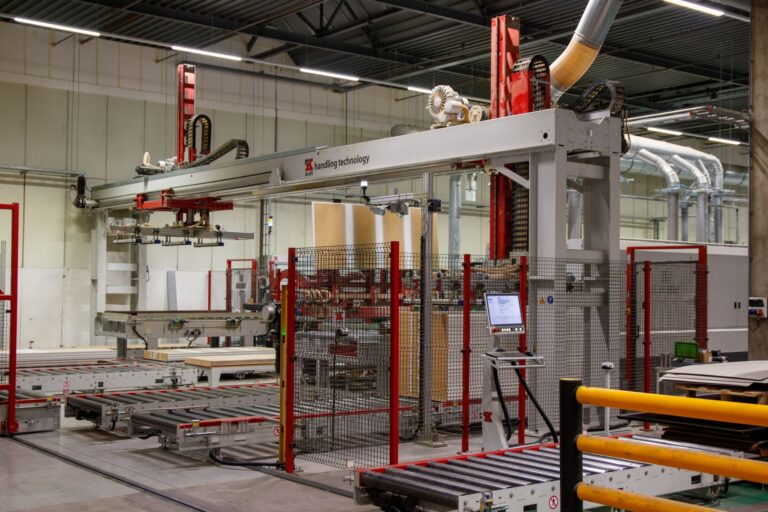
Automation and Technology Integration: This isn’t some futuristic fantasy; it’s happening now. Kiosks for order taking are no longer a novelty but a necessity to offload front-of-house labor. AI-powered drive-thru systems can handle order processing, freeing up staff for food preparation and customer interaction. Robotic fryers and beverage dispensers are emerging, reducing repetitive tasks and ensuring consistency. The goal isn’t necessarily to eliminate staff entirely but to optimize their roles, shifting them from repetitive, low-value tasks to higher-value activities that enhance customer experience or improve throughput.
Menu Engineering & Supply Chain Optimization: What’s on your menu, and how profitable is it? The $15 minimum wage forces an even harsher look at menu items. Low-margin, complex items that require significant labor to prepare become liabilities. Pruning these and focusing on high-volume, high-margin, and operationally simple offerings is critical. Simultaneously, a relentless focus on supply chain efficiency is paramount. Negotiating sharper deals with suppliers, optimizing delivery schedules to reduce receiving labor, and minimizing food waste through better inventory management directly impact the bottom line.
Workforce Productivity & Training: If you’re paying more, you demand more. This isn’t punitive; it’s economic survival. Investing in robust training programs to cross-train staff, improve speed, reduce errors, and foster a culture of efficiency becomes non-negotiable. Every employee needs to be a highly productive asset. The era of casual, untrained labor is over. Furthermore, strategies to reduce employee turnover—which is incredibly costly in terms of recruitment and training—become even more critical. A stable, efficient, and well-compensated workforce can partially offset the higher wage burden through increased productivity and reduced overheads.
The Bifurcation of the Fast-Food Landscape
The $15 minimum wage isn’t just a cost; it’s an accelerant for industry consolidation and technological adoption. We will see a clear bifurcation. On one side, large corporate chains with deep pockets will invest heavily in automation, sophisticated supply chain management, and robust training programs. They have the capital and scale to absorb the initial shock and pivot towards a more automated, lean model. Their challenge will be maintaining their brand identity and customer connection amidst increasing mechanization.
On the other side are the independent operators and smaller franchisees. Many will struggle. Without the capital for large-scale automation or the negotiating power for massive supply chain discounts, their options are stark: innovate relentlessly, find niche markets with higher price tolerance, or face the painful reality of closure. Survival here will depend on extreme agility, hyper-local market understanding, and an unwavering commitment to operational excellence. Lean isn’t a buzzword for them; it’s the only path to keeping the lights on.
Beyond the Horizon: A New Paradigm
The fast-food industry is at an inflection point. The narrative that a $15 minimum wage simply means higher prices for consumers misses the profound, structural changes it mandates for operators. This isn’t a negotiation; it’s a new operating environment. Success in this environment will not be defined by who can raise prices the most, but by who can innovate the fastest, optimize the most ruthlessly, and protect margins with surgical precision. The old ways of doing business are rapidly becoming obsolete. Operators must embrace technology, re-engineer processes, and manage their workforce with unprecedented efficiency. Those who fail to adapt to this lean, tech-driven future will find themselves on the wrong side of the balance sheet, swallowed by the inevitable march of progress and economics. This isn’t just about minimum wage; it’s about maximum survival in a brutally competitive market.