The global specialty ingredients and agricultural markets are experiencing a profound expansion, driven by an increasingly discerning consumer base demanding unique flavors, enhanced nutritional profiles, and verifiable sustainability credentials. This growth, heralded by recent analyses such as the ‘Breaking AC News’ report, is not merely a reflection of evolving tastes; it signals a fundamental realignment of the agri-food supply chain, introducing a new echelon of complexity, geopolitical vulnerability, and unprecedented opportunity for data-driven strategic advantage. For food & beverage enterprises, understanding the intricate interplay of sourcing, logistics, technological integration, and risk mitigation is no longer optional but imperative for competitive resilience and long-term viability in this high-value sector.
The Geopolitical Fault Lines in Specialty Sourcing
The very ‘specialty’ of these ingredients often stems from their unique geographic origins, climate dependencies, or specific cultivation practices. This inherent particularity, while driving premium value, simultaneously concentrates supply risk within specific geopolitical hotspots. Consider the volatile price dynamics of vanilla from Madagascar, saffron from conflict-prone regions, or specific botanicals reliant on fragile ecosystems in Southeast Asia or the Amazon. Geopolitical shifts – trade disputes, regional conflicts, and even localized political instability – can trigger immediate and severe supply disruptions, leading to hyper-inflationary pressures or outright unavailability. Furthermore, the intensifying impact of climate change introduces a layer of systemic risk. Unpredictable weather patterns, droughts, and unprecedented floods in key growing regions can decimate harvests of specialty crops, as seen with cocoa in West Africa or certain coffee varieties in South America. Companies must therefore move beyond traditional supplier vetting to incorporate robust geopolitical risk mapping and scenario planning, diversifying sourcing strategies across multiple, uncorrelated geographic regions where feasible, and investing in climate-resilient cultivation initiatives.
Logistics: The High-Stakes Game for High-Value Cargo
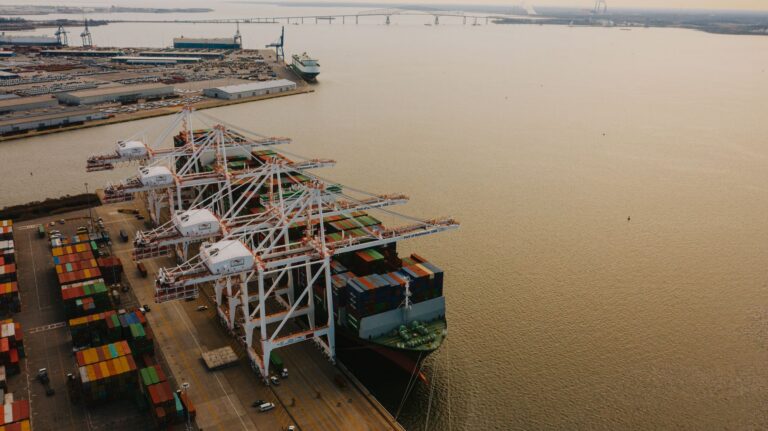
The transportation of specialty ingredients presents a distinct set of logistical challenges that transcend conventional bulk commodity shipping. Many ingredients, from probiotics and functional proteins to rare spices and exotic fruits, require stringent temperature controls, specialized packaging, and rapid transit to preserve efficacy, freshness, and value. The ‘cold chain’ for these sensitive products is a critical bottleneck, susceptible to breakdowns that can render entire shipments worthless. Moreover, global logistics networks are under immense pressure, exacerbated by energy price volatility, labor shortages, and geopolitical events impacting key shipping lanes, such as the recent disruptions in the Red Sea. For high-value, low-volume specialty ingredients often reliant on air freight, these macro pressures translate directly into escalating operational costs and extended lead times. Strategic players are therefore examining integrated logistics platforms that offer real-time tracking, predictive maintenance for cold chain infrastructure, and the agility to reroute shipments in response to dynamic global conditions, minimizing both spoilage and market exposure.
Leveraging Technology for Supply Chain Fortification
The complexity and inherent risks of specialty ingredient supply chains underscore the urgent need for advanced technological integration. Blockchain technology is emerging as a cornerstone for enhancing traceability and authenticity. By creating an immutable, distributed ledger of every transaction and movement from farm to finished product, blockchain provides unparalleled transparency, verifying origin, quality certifications, and ethical sourcing claims – critical attributes for premium specialty ingredients. Artificial intelligence (AI) and machine learning (ML) algorithms are revolutionizing demand forecasting, optimizing inventory management by predicting consumption patterns with greater precision, and identifying potential supply bottlenecks before they escalate. Furthermore, AI-driven image analysis can monitor crop health and identify disease outbreaks in specialty cultivation, while predictive analytics can model the impact of weather events on yield. Internet of Things (IoT) sensors deployed at various points in the supply chain, from farms monitoring soil conditions to refrigerated containers tracking temperature and humidity, provide real-time data streams that enable proactive interventions, ensuring product integrity and mitigating loss.
Data Pipelines: The Neuro-Network of Resilient Sourcing
In the hyper-dynamic specialty ingredient landscape, raw data without intelligent processing is merely noise. The development of robust data pipelines is paramount for converting disparate information into actionable intelligence. This involves aggregating vast datasets, including climate models, geopolitical risk indices, commodity market fluctuations, logistics performance metrics, consumer trend analytics, and internal operational data. Advanced analytics platforms can then identify correlations, anticipate market shifts, and model the impact of various external factors on supply availability and pricing. Companies that excel in building and leveraging these data pipelines gain a significant competitive edge. Real-time dashboards providing a holistic view of the global supply chain, coupled with predictive alerts for potential disruptions or opportunities, enable rapid, informed decision-making. This data-centric approach moves organizations from reactive problem-solving to proactive risk management and strategic resource allocation, allowing for more agile responses to market volatility and informed negotiation with suppliers.
Global Hedging Strategies for Specialty Markets
Mitigating the financial exposure inherent in volatile specialty ingredient markets necessitates sophisticated hedging strategies. Given that many niche ingredients lack established futures markets, direct financial hedging instruments are often unavailable. This requires a multi-pronged approach combining financial acumen with operational foresight. Companies must explore strategic procurement contracts that include price caps, floor prices, or index-linked pricing mechanisms to insulate against extreme volatility. Currency hedging becomes critical for international sourcing to protect profit margins from exchange rate fluctuations. Operationally, multi-sourcing agreements across geographically diverse suppliers reduce reliance on a single point of failure, even if it entails slightly higher average costs. Furthermore, strategic inventory management, balancing the cost of carrying inventory against the risk of stockouts or price spikes, is crucial. For critical, high-value ingredients, businesses may consider limited vertical integration or forming strategic partnerships and joint ventures with cultivators to gain greater control and visibility over the supply base, essentially hedging against both supply and price risk through collaborative control.
Conclusion: A New Era of Strategic Ingredient Management
The ascendancy of specialty ingredients signals a maturing global food system, driven by evolving consumer preferences and technological capabilities. However, this growth trajectory is inextricably linked to heightened supply chain complexities and geopolitical fragilities. For food & beverage businesses, success in this new landscape hinges on a profound commitment to strategic ingredient management – one that integrates advanced analytics, embraces technological innovation for transparency and efficiency, and embeds rigorous geopolitical and logistical risk assessment into every procurement decision. The future belongs to those who can build highly resilient, data-driven, and adaptively hedged supply chains, transforming vulnerability into a strategic advantage and securing a competitive edge in a global market that increasingly values the unique and the authentic.