The global food system stands at a critical juncture, increasingly buffeted by geopolitical turbulence, climate volatility, and escalating logistical complexities. In this challenging environment, the ascendancy of AgTech and food innovation companies is not merely a market trend but a strategic imperative. As an analysis from TradingView recently highlighted, select AgTech stocks are poised to drive agriculture’s future, representing foundational pillars for enhancing resilience and redefining global supply chains. For food and beverage industry stakeholders, these are not just investment opportunities; they are critical enablers for de-risking operations, optimizing resource allocation, and forging a more secure food future.
The macroeconomic landscape is rife with variables that directly impact food security and supply chain stability. From the protracted conflict in Eastern Europe disrupting grain and fertilizer flows to increasingly frequent extreme weather events jeopardizing harvests across continents, the vulnerabilities of our intricately connected food networks have never been more apparent. Energy price volatility directly affects transport costs and agricultural inputs, while labor shortages in key regions strain harvesting and processing capabilities. These systemic risks demand systemic solutions, pushing the industry to look beyond traditional operational models.
Strategic AgTech Pillars for Supply Chain Resilience
The AgTech sector offers multifaceted solutions to these challenges, essentially creating new pathways for operational stability and risk mitigation. While specific stock performances vary, the underlying technological categories they represent are fundamentally reshaping the food landscape:
1. Precision Agriculture and Data Analytics
Companies specializing in precision agriculture leverage advanced data analytics, Artificial Intelligence (AI), and the Internet of Things (IoT) to optimize every aspect of farming. This includes real-time soil analysis, satellite imagery for crop health monitoring, and predictive modeling for yield forecasts and pest management. The implications for the food industry are profound: this technology fosters unprecedented resource efficiency – water, fertilizer, and pesticides are applied precisely where and when needed, reducing waste and cost. From a supply chain perspective, enhanced predictability in harvest volumes and quality allows for superior planning, reducing spoilage and enabling more agile procurement strategies. Furthermore, the granular data collected provides an immutable audit trail, critical for traceability and compliance in an era of stringent food safety regulations and consumer demand for transparency. This effectively establishes a robust data pipeline from the farm gate, a critical asset for risk management and global hedging against localized production shortfalls.
2. Controlled Environment Agriculture (CEA) & Vertical Farming
Firms at the forefront of CEA, including vertical farms and advanced greenhouse operations, are fundamentally decoupling food production from traditional climatic and geographic constraints. By creating optimized growing environments indoors, these companies can achieve significantly higher yields per square foot, use substantially less water, and mitigate the impact of external environmental shocks like droughts, floods, or pest infestations. The strategic value here is immense. Localized production capabilities reduce reliance on extended, fragile international shipping routes, diminishing exposure to geopolitical flashpoints, border delays, and fuel price volatility. For metropolitan areas, it drastically cuts "food miles," enhancing freshness and shelf life while bolstering local food security. This model offers a powerful hedging mechanism against disruptions to traditional agricultural regions, providing consistent, high-quality inputs regardless of external shocks. It represents a strategic shift towards regionalized supply chain segments, significantly shortening lead times and increasing resilience.
3. Biotechnology and Sustainable Inputs
Companies developing advanced biotechnologies, from gene-edited crops with enhanced resilience to drought and pests, to novel bio-pesticides and alternative protein sources, are reshaping the fundamental inputs and outputs of the food system. These innovations address the root causes of supply chain fragility: climate change vulnerability, resource intensity, and environmental degradation. Drought-resistant crops, for instance, offer a direct hedge against climate change-induced yield volatility in key agricultural belts. Alternative proteins, meanwhile, reduce the reliance on resource-intensive animal agriculture, diversifying the protein supply and mitigating exposure to livestock disease outbreaks and feed commodity price swings. For the food industry, integrating these sustainable inputs isn’t just about corporate social responsibility; it’s a strategic play to secure future ingredient supplies, appeal to evolving consumer demands for sustainability, and navigate future regulatory landscapes aimed at reducing environmental footprints. The R&D pipelines of these companies are essentially creating the next generation of foundational commodities, enabling long-term operational hedging.
Mitigating Geopolitical Supply Chain & Logistics Risks
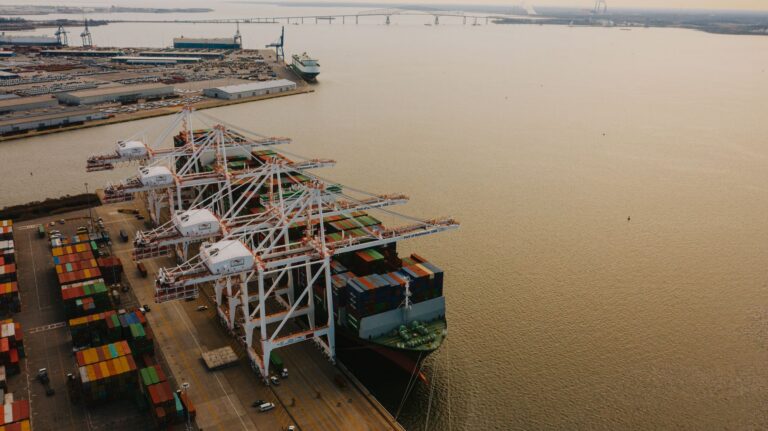
The inherent interconnectedness of global food supply chains means that a localized geopolitical event can ripple across continents. Trade wars, sanctions, port blockages, and regional conflicts all present formidable challenges. AgTech, particularly through precision agriculture’s data insights and CEA’s localized production, offers tangible de-risking strategies. By providing granular data on production levels and allowing for more distributed cultivation, these technologies enable companies to proactively identify and pivot away from high-risk regions. They facilitate the creation of multi-source procurement strategies, reducing over-reliance on any single origin and buffering against price spikes or supply shortages induced by external shocks. The enhanced traceability also becomes crucial in navigating complex, often politically charged, import/export regulations, ensuring compliance and maintaining market access.
The Imperative of Technology Integration & Data Pipelines
At the heart of these AgTech innovations lies the power of data. From remote sensors providing real-time environmental metrics to AI algorithms predicting market movements, a robust data pipeline is the lifeblood of modern agricultural resilience. The food industry must strategically invest not just in the AgTech solutions themselves but in the interoperable platforms that allow seamless data flow from farm to processor to retailer. This integration facilitates predictive analytics for inventory management, demand forecasting, and logistics optimization. Companies that effectively harness this data can build advanced warning systems for potential disruptions, enabling swifter, more informed decision-making. For global hedging strategies, access to reliable, real-time data on production, logistics bottlenecks, and market sentiment provides an invaluable edge in managing financial exposure to volatile commodity markets and currency fluctuations.
Redefining Global Hedging Strategies
The strategic embrace of AgTech fundamentally redefines hedging for the food industry. Beyond traditional financial instruments, operational hedging becomes paramount. By diversifying production locations (via CEA), optimizing resource use (via precision ag), and securing future-proof inputs (via biotech), companies can reduce their direct exposure to commodity price volatility and regional supply shocks. Furthermore, the enhanced data visibility enables more sophisticated financial hedging strategies. Predictive analytics, fueled by AgTech data, can inform better timing for futures contracts, options, and forward purchases, allowing companies to lock in favorable prices or mitigate adverse movements. It shifts the paradigm from reactive risk mitigation to proactive, data-driven strategic planning, underpinning long-term profitability and stability in an unpredictable world.
Conclusion
The "3 AgTech & Food Innovation Stocks" narrative, though framed within investment parlance, underscores a deeper, more profound shift. These companies are not merely market performers; they are architects of a more resilient, efficient, and secure global food system. For the food and beverage industry, strategic engagement with these technologies is no longer optional. It is a critical component of risk management, operational excellence, and long-term viability in an era where geopolitical realities and climate imperatives demand constant innovation and robust adaptability. The future of food security, and indeed the industry’s sustained profitability, will increasingly hinge on the intelligent integration of these AgTech advancements into every facet of the supply chain.