The global food manufacturing sector finds itself at an unprecedented inflection point, grappling with a systemic shift where short-notice ingredient changes are no longer anomalies but an emerging operational norm. From the geopolitical tremors reverberating through commodity markets to the intensifying effects of climate change on agricultural yields and persistent logistical bottlenecks, the intricate web of food supply chains is under immense strain. This pervasive volatility demands far more than reactive contingency planning; it necessitates a fundamental re-evaluation of procurement strategies, technological integration, and risk management frameworks to safeguard operational continuity, financial stability, and ultimately, brand integrity.
The New Supply Chain Equilibrium: External Pressures & Internal Vulnerabilities
The confluence of macroeconomic and environmental forces has irrevocably altered the landscape. Geopolitical events, such as regional conflicts and trade policy shifts, directly impact the availability and pricing of essential agricultural commodities and processed ingredients. Consider the ripple effects on sunflower oil, wheat, or specific flavor components. Simultaneously, the accelerating frequency and intensity of extreme weather events—droughts, floods, unseasonable freezes—are introducing unprecedented unpredictability into agricultural cycles, leading to sudden crop failures and subsequent price spikes or outright shortages of key raw materials.
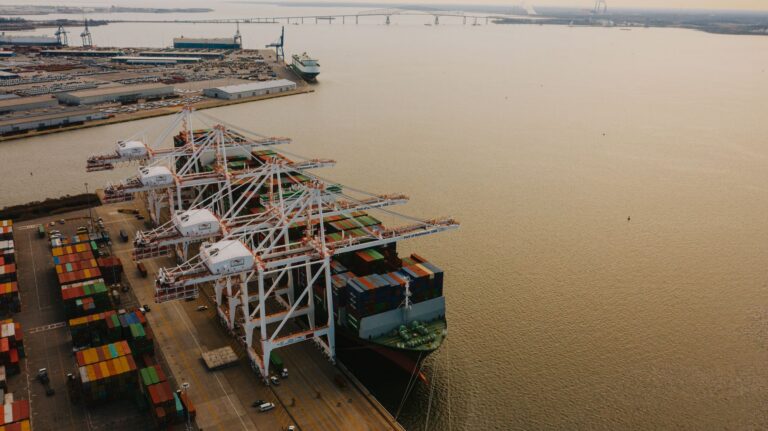
Beneath these macro pressures lies an underlying logistical fragility. Global shipping disruptions, port congestion, labor shortages across transportation networks, and escalating fuel costs continue to impede the timely movement of goods. These factors amplify lead times and introduce significant uncertainty into delivery schedules, forcing manufacturers to scramble for alternatives, often at a premium, and with minimal advance warning. The traditional ‘just-in-time’ manufacturing paradigm, once lauded for its efficiency, now exposes significant vulnerabilities, necessitating a strategic pivot towards ‘just-in-case’ resilience.
Operational & Financial Cascades: Beyond the Immediate Disruption
The immediate impact of short-notice ingredient changes on food manufacturers is multifaceted and severe. Operationally, forced reformulations trigger significant R&D overheads, requiring expedited testing for sensory profiles, shelf-life, food safety, and processing compatibility. This divergence from established specifications can introduce production line inefficiencies, downtime, and increased waste. Regulatory compliance becomes a critical bottleneck, as label changes, nutritional information updates, and potentially new allergen declarations demand swift, accurate, and often costly administrative processes.
Financially, the implications are profound. Reliance on spot market purchases for urgent ingredient procurement invariably leads to elevated input costs, eroding profit margins. Contractual obligations with retailers and foodservice clients become harder to meet without price adjustments or, worse, stockouts, damaging long-term relationships and market share. Furthermore, the intangible cost of brand erosion is significant. Consumers expect consistency; any perceptible deviation in product taste, texture, or availability due to ingredient substitutions can lead to diminished trust and brand loyalty, a hard-won asset in a competitive market.
Forging Resilience: Data-Driven Hedging and Strategic Diversification
To navigate this increasingly turbulent environment, food manufacturers must adopt a holistic, data-centric approach, integrating robust supply chain intelligence with proactive risk mitigation strategies. The emphasis must shift from reactive problem-solving to anticipatory resilience, built upon a foundation of unparalleled visibility and strategic financial engineering.
Real-Time Visibility and Predictive Analytics
A critical first step is the deployment of advanced data pipelines capable of ingesting and analyzing real-time information across the entire supply chain ecosystem. This includes granular data on commodity futures, geopolitical risk indicators, climate forecasts, logistics capacity, and supplier performance. Leveraging Artificial Intelligence and Machine Learning, companies can move beyond historical trend analysis to predictive modeling, identifying potential ingredient shortages or price spikes weeks, if not months, in advance. Digital twin technologies can simulate various disruption scenarios, allowing for pre-emptive strategic adjustments and rapid decision-making when unforeseen events materialize. This demands investment in integrated ERP and Supply Chain Management (SCM) systems that provide a single source of truth and enable collaborative planning with suppliers.
Strategic Sourcing and Diversification
The days of hyper-optimized, single-source procurement for cost efficiency must yield to a more resilient, diversified strategy. This involves actively mapping out and qualifying alternative suppliers across multiple geographic regions, even for seemingly niche ingredients. Companies should cultivate a multi-tiered supplier network, assessing not only price and quality but also supplier risk profiles, geopolitical stability of their operating regions, and logistical redundancies. Nearshoring or reshoring critical ingredient production, where economically viable, can reduce transit times and exposure to international shipping vulnerabilities. This diversification strategy is not merely about having backup options; it’s about building a robust, adaptive sourcing matrix.
Global Hedging and Financial Engineering
Beyond operational adjustments, sophisticated financial instruments offer a powerful layer of protection against commodity price volatility, a primary driver of cost increases during ingredient disruptions. Food manufacturers must proactively engage in global hedging strategies for key raw materials. This includes utilizing futures contracts, options, and forward purchasing agreements to lock in prices or establish a maximum cost ceiling for essential commodities months in advance. Such strategies transform unpredictable spot market expenditures into predictable, manageable costs, providing financial stability and mitigating margin erosion. Implementing these financial instruments requires specialized expertise and a clear risk tolerance framework, often managed by dedicated treasury or procurement finance teams working in tandem with supply chain leadership.
Agile Product Development and Proactive Formulation
Internal processes must also evolve. R&D teams should proactively develop and vet alternative ingredient matrices, creating a library of pre-approved substitutes that maintain product quality and sensory attributes. This ‘ready-to-deploy’ approach significantly reduces the lead time for reformulation when a primary ingredient becomes unavailable. Clear internal protocols for rapid change management, from formulation adjustments to packaging and labeling updates, are essential to maintain regulatory compliance and speed-to-market.
The Path Forward: Investing in End-to-End Resilience
The current era of short-notice ingredient changes is not a fleeting crisis but a structural challenge demanding a strategic paradigm shift. Food manufacturers that prioritize end-to-end supply chain resilience through aggressive investment in advanced data analytics, diversified global sourcing, astute financial hedging, and agile product development will not only mitigate risks but also carve out a significant competitive advantage. This is an investment in future stability, brand reputation, and the enduring trust of the consumer in an increasingly unpredictable world.