California’s fast-food industry is in an operational crucible, and the latest data from the Washington Times study on the state’s new $20 minimum wage provides an unflinching look at the damage. The report isn’t just a headline; it’s a stark warning shot for every operator in the quick-service sector, detailing what we’ve been shouting from the trenches: higher labor costs translate directly into higher menu prices and, critically, fewer worker hours. For those obsessed with lean operations and margin defense, this isn’t news, but validation of a predictable, brutal reality.
The study cuts through the noise with cold, hard numbers. Since the April 1 implementation of the $20 minimum wage for fast-food workers in California, the landscape has shifted dramatically. Menu prices have escalated, a direct pass-through of increased operational overhead. More alarmingly, worker hours have demonstrably shrunk. This isn’t theoretical economics; it’s what happens when policy-makers dictate labor costs without a grounded understanding of the industry’s razor-thin profit margins. Operators, faced with a sudden and significant cost hike, are making the only choices they can to keep their doors open: optimize, automate, or contract.
The Unavoidable Numbers: Cost Passed, Hours Cut
Let’s strip away the fluff and look at the core findings. The Washington Times analysis, drawing on data from sources like the California Policy Center, confirms what any experienced operator could have predicted. Fast-food prices across the state have seen a noticeable uptick. This isn’t greed; it’s basic math. When your largest controllable expense – labor – jumps by over 25% (from the previous $16 state minimum), that cost has to go somewhere. The consumer is bearing a significant portion of that burden, challenging the industry’s traditional value proposition.
But the real operational pain, and the most unfortunate outcome for the very workers the policy aimed to assist, is the reduction in hours. Businesses aren’t eliminating jobs en masse in most cases; they are simply running leaner. That means fewer shifts, fewer part-time opportunities, and a slower pace of hiring. For many fast-food employees, an increased hourly rate means little if their weekly hours – and thus their total take-home pay – are slashed. This creates a paradox where a policy designed to lift workers out of poverty may instead be pushing some into greater financial precarity due to reduced income stability. It’s a harsh but unavoidable lesson in the law of unintended consequences.
Operational Crunch: Adapting or Collapsing
From an operations standpoint, California has become a living laboratory for aggressive cost mitigation. Operators are not sitting idly by. They are being forced into a strategic corner, compelling them to re-evaluate every facet of their business model. Here’s how the top-tier operators are responding, or should be:
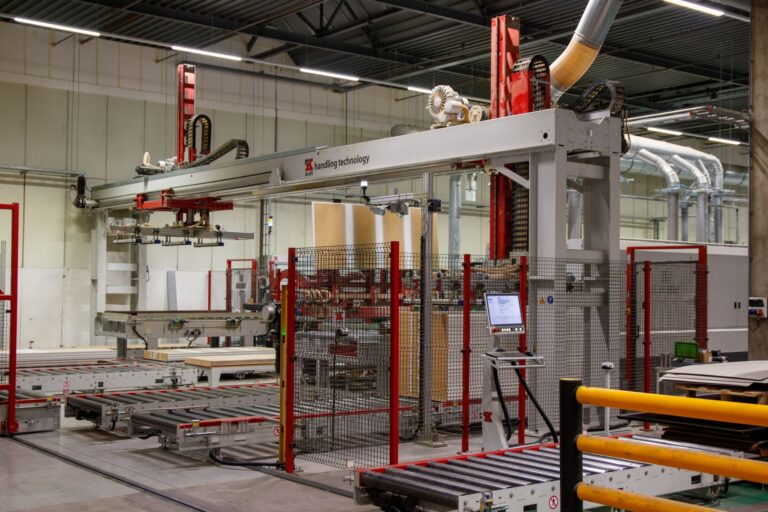
- Automation Acceleration: Kiosks are no longer a novelty; they’re a necessity. Backend kitchen automation, AI-driven scheduling, and robotic fryers are moving from pilot projects to essential infrastructure. The goal is simple: reduce reliance on human labor for repetitive tasks, freeing up existing staff for higher-value customer service roles or simply reducing total labor hours.
- Menu Engineering for Margin: Every item on the menu is under scrutiny. High-labor-cost items are being re-evaluated or removed. Pricing strategies are becoming surgical, aiming to maximize revenue per transaction without triggering significant demand elasticity. Value meals are being redesigned to maintain perceived affordability while absorbing increased costs.
- Hyper-Efficiency in Staffing: Scheduling is an art form, now requiring ruthless efficiency. Cross-training staff to handle multiple roles, optimizing shift overlaps, and precise forecasting of demand to avoid overstaffing are paramount. Every minute of labor must be justified by sales volume.
- Supply Chain Optimization: The squeeze isn’t just internal. Operators are leaning harder on their suppliers, negotiating tighter deals, and exploring alternative procurement strategies to claw back margin points wherever possible.
- Slower Expansion and Consolidation: New store openings in California are likely to slow significantly. The higher cost of doing business makes new ventures riskier. We may even see consolidation or closures of underperforming locations as operators prune their portfolios to protect overall profitability. Franchisees, in particular, face increased barriers to entry and expansion.
The Labor Paradox: Beyond the Hourly Rate
The narrative often focuses solely on the hourly wage, ignoring the critical dimension of total compensation. For many fast-food workers, stability and consistent hours are as vital as the hourly rate itself. When a $20 wage means a reduction from 30 hours a week to 20, the worker’s weekly take-home pay actually drops from $480 to $400. This is a net negative for their financial well-being, undermining the very premise of the wage hike. It exacerbates income instability and makes budgeting even harder for frontline workers. This is the operational reality that policy-makers consistently fail to grasp: the labor market is a dynamic system, and artificially raising one variable without addressing others leads to predictable, often undesirable, ripple effects.
Broader Implications: A Warning for the Nation
California, with its sheer economic scale and progressive legislative tendencies, often serves as a bellwether for the rest of the country. What happens there is a playbook, or perhaps a cautionary tale, for other states considering similar aggressive minimum wage hikes. The operational lessons are clear:
- Proactive Planning is Non-Negotiable: Operators in other states must begin scenario planning now, modeling the impact of potential wage increases on their P&L statements.
- Technology Investment is Key: Delaying investment in automation and efficiency-boosting technologies is no longer an option. It’s a survival imperative.
- Flexibility and Agility: The ability to quickly adapt menu pricing, staffing levels, and operational workflows will distinguish survivors from casualties.
Strategic Imperatives: Defending the Bottom Line with Grit
For Foodsatlas.com readers, the message is unequivocal: this isn’t a time for sentimentality, but for ruthless operational pragmatism. Defending margin isn’t just about survival; it’s about staying competitive and viable in a rapidly changing landscape. Focus on:
- Data-Driven Decisions: Leverage analytics to understand every cost center, every labor minute, and every menu item’s true profitability.
- Ruthless Cost Control: Scrutinize every line item. Energy consumption, waste management, inventory shrinkage – no detail is too small.
- Customer Value, Reimagined: While prices rise, the value proposition must remain strong. This means focusing on speed, accuracy, quality, and exceptional (though lean) service.
- Advocacy and Collaboration: Join industry groups. Engage with local politicians. Present the cold, hard facts of operational reality to counter ideological narratives.
The California $20 minimum wage is more than just a legislative act; it’s an operational earthquake that has already reshaped the fast-food landscape. The Washington Times study confirms the obvious: higher costs mean higher prices and fewer hours. For operators, this isn’t a debate; it’s a call to arms for efficiency, innovation, and an unwavering focus on the bottom line. Adapt, or get left behind. There are no participation trophies in this game.