The ubiquity of household snack staples, from Hostess Brands’ Twinkies to Mondelēz International’s Nutter Butters, is facing unprecedented disruption. A pervasive lack of critical ingredients is now crippling snack food production across North America, signaling profound systemic vulnerabilities within global supply chains. This isn’t merely a logistical hiccup; it represents a macroeconomic inflection point driven by a confluence of geopolitical instability, climate exigencies, and fragmented data architectures, demanding a strategic re-evaluation of operational resilience within the entire food & beverage sector.
The Unraveling of the Ingredient Matrix
The current crisis transcends singular commodity spikes, manifesting as a broad-based erosion of ingredient availability. Manufacturers report acute shortages across a spectrum of essential components: specialized flours, specific types of sugars, emulsifiers, packaging polymers, and even essential oils. The root causes are multifactorial. Agricultural yields, particularly for crops like sugar beets and certain grains, have been severely impacted by adverse weather events globally – droughts in key growing regions, unexpected frosts, and erratic precipitation patterns. Concurrently, labor shortages, particularly within the agricultural processing and logistics sectors, continue to restrict the flow of raw materials from farm to factory. Furthermore, geopolitical tensions, exemplified by the lingering effects of the conflict in Eastern Europe on grain and sunflower oil markets, continue to ripple through the global commodity ecosystem, creating scarcity and price volatility that sophisticated hedging strategies struggle to fully absorb.
Packaging materials present another critical choke point. The plastics and paper industries, already grappling with increased demand and environmental compliance costs, face their own supply chain woes, exacerbated by petrochemical feedstock shortages and soaring energy prices. A snack producer can have every other ingredient, but without appropriate, food-grade packaging, finished goods cannot enter the market. This integrated dependency underscores the fragility of linear supply models.
Operational Friction and Margin Erosion
The operational implications for snack producers are severe. Companies are forced to implement production cuts, rationalize product portfolios by reducing SKUs, and delay new product launches. This strategic retraction impacts market share and brand loyalty in a highly competitive sector. For example, a major producer might prioritize its top-selling products, meaning niche but profitable items are temporarily, or even permanently, discontinued. Inventory management becomes a tightrope walk, balancing the costs of carrying buffer stock against the risk of stockouts and lost sales. The financial reverberations are equally stark. Rising input costs – for ingredients, energy, and transportation – are compressing already thin profit margins. While some brands have initiated price increases to offset these pressures, consumer elasticity places a ceiling on such adjustments, threatening market penetration and demand stability. The ability to forecast demand accurately becomes nearly impossible when input certainty is compromised, leading to inefficient capital allocation and increased operational expenditure.
Geopolitical Currents and the Data Pipeline Deficit
The macroeconomic lens reveals that these ingredient shortages are not isolated incidents but symptoms of a larger geopolitical recalibration. Nations are increasingly scrutinizing export controls on critical food resources, shifting from pure market dynamics to food security nationalism. This trend, coupled with ongoing trade disputes and unpredictable regulatory landscapes, introduces a layer of systemic risk that traditional supply chain models are ill-equipped to manage. The fragmented nature of global trade data further exacerbates this. Many organizations still rely on analog processes or disparate digital systems, creating blind spots in their end-to-end supply chain visibility. Without real-time, consolidated data on commodity futures, geopolitical events, shipping lane congestion, and localized climate forecasts, companies are reactive rather than proactive. The data pipeline, in essence, is clogged, preventing the kind of predictive analytics necessary to anticipate and mitigate these multifaceted risks.
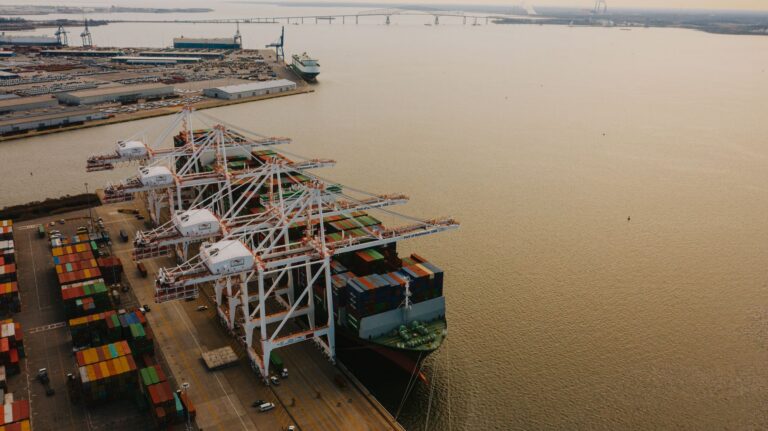
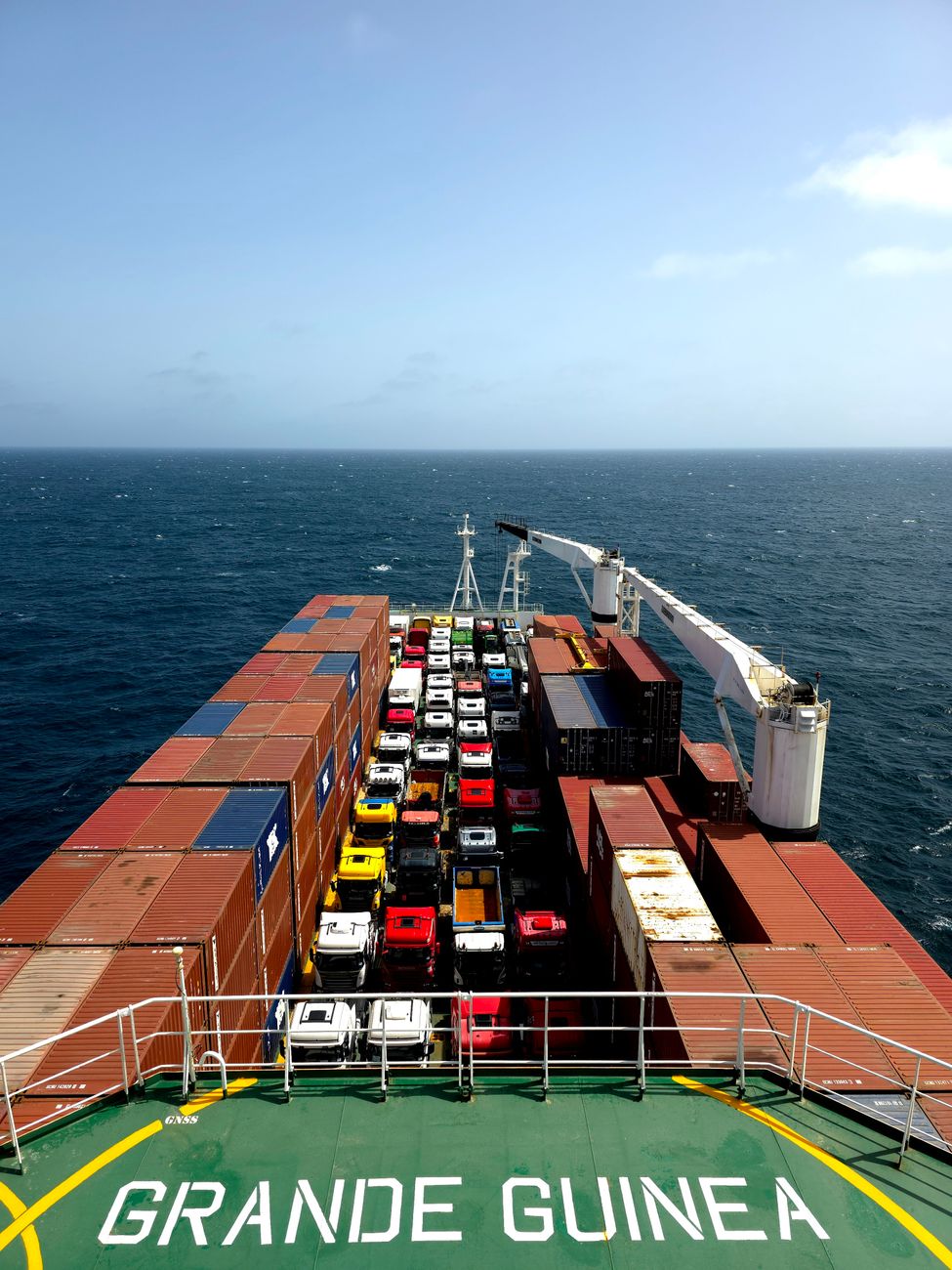
Logistics infrastructure remains a persistent bottleneck. Port congestion, particularly in North America, continues to tie up vital imports and exports. Trucking capacity, hampered by driver shortages and increasing fuel costs, adds further strain to domestic distribution. This gridlock delays the movement of both raw materials and finished products, leading to higher demurrage costs, spoilage risks, and missed market opportunities. The absence of an integrated, predictive logistics platform, capable of dynamically rerouting shipments or anticipating choke points, leaves companies vulnerable to escalating costs and delivery failures.
Fortifying Resilience: Technology, Diversification, and Hedging
To navigate this volatile landscape, the snack food industry must pivot towards a more resilient, data-driven operational paradigm. Advanced technological integration is no longer a luxury but a strategic imperative. This includes the deployment of AI and Machine Learning models for superior demand forecasting and predictive risk assessment, analyzing vast datasets encompassing weather patterns, geopolitical indices, commodity exchange data, and shipping manifests. Blockchain technology offers unprecedented traceability for ingredients, enabling rapid identification of contamination or origin issues, thereby enhancing consumer trust and regulatory compliance. Furthermore, digital twins of supply chains can simulate disruptions, allowing executives to stress-test scenarios and optimize mitigation strategies before real-world events occur.
From a financial perspective, robust global hedging strategies are paramount. Beyond conventional futures contracts, companies must explore more sophisticated instruments, potentially including options and structured products that offer greater flexibility in managing commodity price volatility. Diversification of sourcing, moving away from single-region dependency to a multi-geographic procurement model, albeit with higher logistical complexity, spreads risk. This includes strategic investments in regional processing capabilities (near-shoring or re-shoring) to reduce reliance on extended global supply lines and insulate against geopolitical shocks. Building strategic inventories of high-risk, low-availability ingredients, where feasible, can also provide critical buffers, though balancing carrying costs against potential stockout costs requires granular data analysis.
A New Era for Snack Food Supply Chains
The current ingredient crisis is forcing a fundamental re-evaluation of the entire snack food value chain. The era of lean, just-in-time supply chains, optimized solely for cost efficiency, appears to be yielding to a new paradigm prioritizing resilience, agility, and visibility. This shift will necessitate significant capital investment in technology, infrastructure, and human capital. Food and beverage executives must embrace a holistic approach, integrating geopolitical intelligence with granular operational data, to build supply chains that are not just efficient, but genuinely robust. The ability to adapt, innovate with alternative ingredients, and forge deeper, more transparent relationships with suppliers will define competitive advantage in this new, permanently uncertain landscape. The future of the snack aisle, and indeed the broader food industry, hinges on these strategic transformations.