The American food and beverage industry is facing a significant operational and financial challenge as a critical protein powder shortage threatens to disrupt one of its most lucrative sectors: health, wellness, and sports nutrition. This scarcity is not merely a transient bottleneck but a stark indicator of deeply entrenched vulnerabilities within global supply chains, demanding immediate strategic re-evaluation from manufacturers, distributors, and retailers alike.
Fueling a multi-billion dollar market spanning dietary supplements, functional foods, and beverages, protein powder—derived primarily from dairy (whey, casein) and plant-based sources (soy, pea, rice)—has become a foundational ingredient. The current shortfall, catalyzed by a complex interplay of geopolitical shifts, escalating logistics costs, and unprecedented consumer demand, is driving up ingredient prices, compressing margins, and forcing companies to contend with stockouts, SKU rationalization, and potential erosion of brand loyalty. For an industry heavily reliant on consistent input streams, this disruption represents a systemic stress test.
Deeper Dive into Causation: A Confluence of Factors
The roots of this protein powder crisis are multifaceted, extending far beyond simple supply-demand imbalances. From a geopolitical lens, several factors converge:
- Agricultural Volatility: Key dairy-producing regions, often subject to unpredictable weather patterns and regulatory changes, have seen output fluctuations. For plant-based proteins, adverse climate events in major growing zones (e.g., North America for soy and pea) directly impact raw material availability.
- Energy Cost Inflation: The global energy crisis, exacerbated by geopolitical tensions, has significantly increased the cost of manufacturing and processing protein isolates. Energy-intensive drying and purification processes, coupled with higher transportation fuel costs, are directly reflected in ingredient prices.
- Labor Shortages: Persistent labor deficits across the agricultural, processing, and logistics sectors—from farmhands to plant operators and truck drivers—continue to impede production capacity and efficient movement of goods.
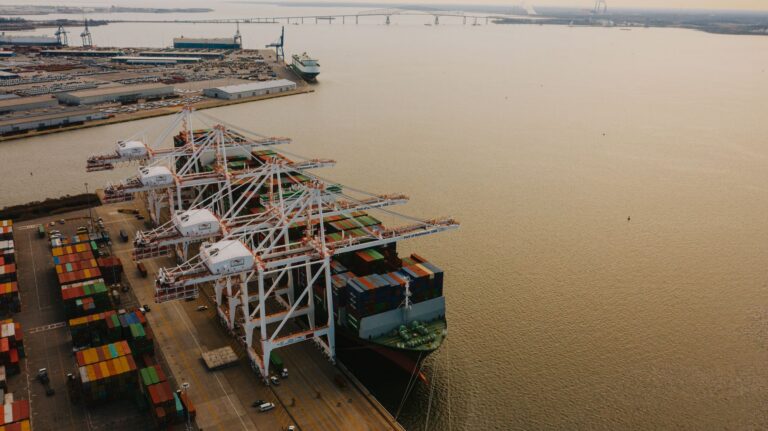
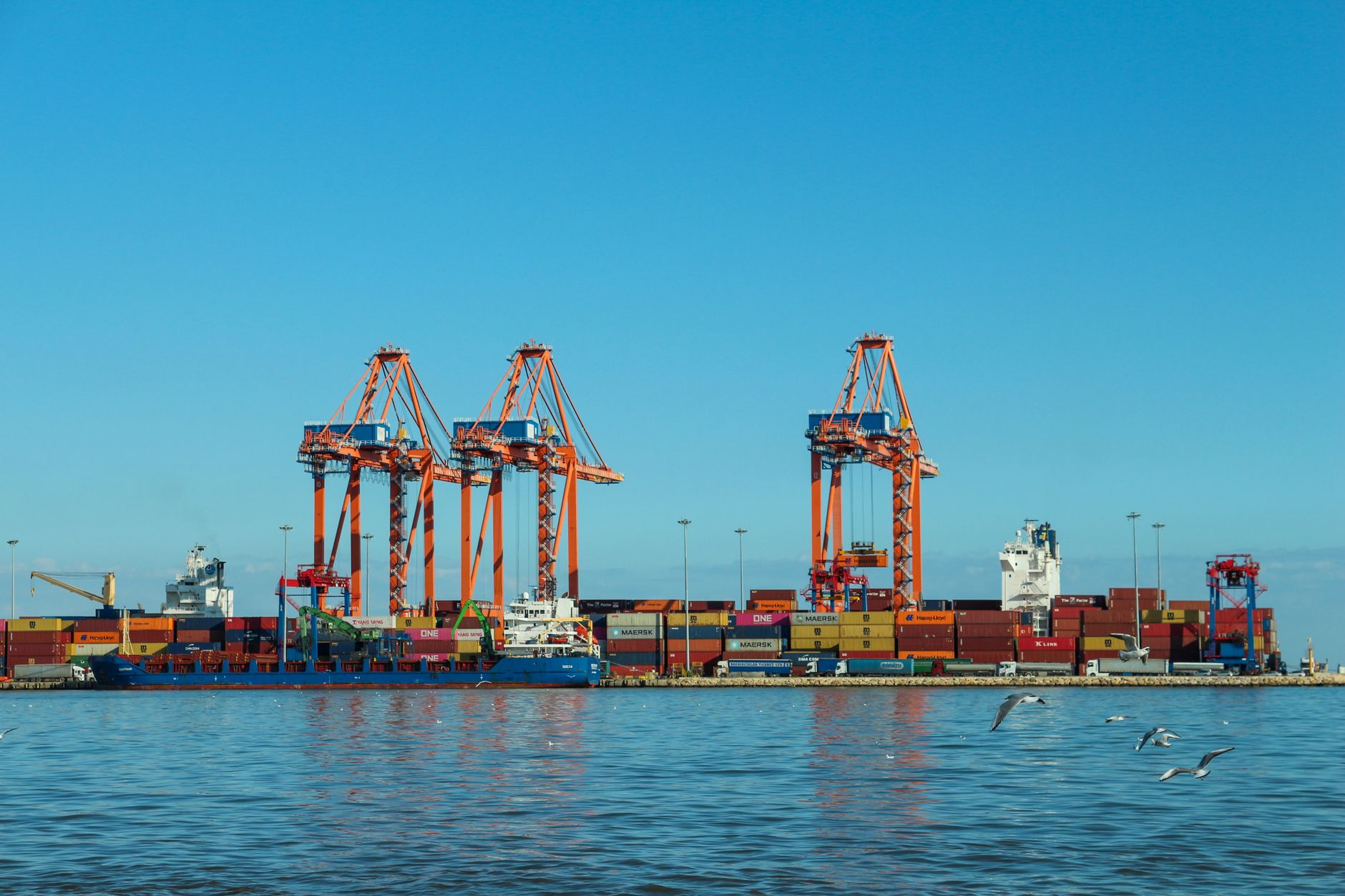
- Logistics Chokepoints: While some port congestion has eased, residual backlogs, elevated ocean freight rates, and a scarcity of intermodal capacity persist. The journey from raw material to finished protein powder often involves multiple international movements, each vulnerable to these logistical friction points.
- Sustained Demand Surge: The post-pandemic emphasis on health and immunity has cemented protein-rich diets and supplements as a mainstream consumer priority. This elevated demand, coupled with a constrained supply, has created a classic inflationary pressure cooker.
Operational and Financial Repercussions Across the Value Chain
The immediate impacts are palpable. Manufacturers face spiraling Cost of Goods Sold (COGS), forcing difficult decisions on pricing strategies, often at the risk of alienating price-sensitive consumers. Production lines may operate below optimal capacity due to ingredient scarcity, leading to underutilized assets and decreased operational efficiency. Smaller brands, lacking the negotiating leverage of larger corporations, are particularly vulnerable to being squeezed out of supply allocations.
For distributors and retailers, the challenge manifests as inconsistent stock levels, increased lead times, and the strategic dilemma of managing limited inventory. Shelf availability of popular protein products has become erratic, potentially driving consumers to private labels or alternative brands, threatening market share for established players. The financial implications include reduced sales volume, potential for inventory write-downs if substitute products fail to meet demand, and the increased cost of carrying safety stock, which itself is difficult to procure.
Strategic Imperatives: Derisking Through Data and Diversification
In this volatile landscape, robust derisking strategies are paramount. Companies must move beyond reactive procurement to proactive supply chain design. This entails:
- Geographic Diversification: Reducing over-reliance on single-source regions for key protein inputs. Exploring new, emerging agricultural zones or novel protein sources (e.g., fungi, algae, cellular agriculture) can mitigate regional climate or geopolitical risks.
- Vertical Integration & Strategic Partnerships: Securing long-term contracts with key suppliers, or even investing directly in raw material production and processing facilities, can provide greater control over supply and cost predictability. These partnerships should include robust transparency clauses and shared risk frameworks.
- SKU Rationalization: Critically evaluating product portfolios to prioritize high-margin, high-demand items, and temporarily discontinuing less critical SKUs to conserve scarce ingredients for core offerings.
- Agile Formulations: Investing in R&D to develop flexible product formulations that allow for the interchangeability of protein sources without compromising nutritional profiles or sensory attributes.
The Technological Imperative: Building Resilient Data Pipelines
Leveraging technology is no longer optional; it is a competitive necessity. The current crisis underscores the critical need for sophisticated data pipelines and analytical capabilities:
- Predictive Analytics & AI: Deploying AI-driven models to forecast demand with greater accuracy and to predict potential supply chain disruptions (e.g., adverse weather, geopolitical shifts, port congestion) before they fully materialize. This enables proactive inventory management and strategic sourcing decisions.
- End-to-End Visibility Platforms: Implementing blockchain or similar distributed ledger technologies to enhance traceability and transparency from farm to fork. This not only bolsters consumer trust in product origin and quality but also provides real-time data on ingredient movement and potential delays.
- IoT and Sensor Technology: Integrating IoT devices across the supply chain to monitor environmental conditions, transport logistics, and storage parameters, providing granular data for optimizing processes and identifying bottlenecks.
- Automated Logistics & Warehousing: Investing in automation for material handling, warehousing, and last-mile delivery to reduce labor dependency and improve efficiency, particularly in a landscape marked by persistent labor shortages.
Hedging Against Volatility: Financial Strategies for Commodity Resilience
Beyond operational adjustments, financial strategies are crucial. Companies heavily reliant on commodity-priced protein inputs must engage in sophisticated hedging:
- Futures and Options Markets: Utilizing commodity futures and options to lock in prices for key protein ingredients (e.g., milk futures for whey, grain futures for soy/pea) can insulate against short-term price volatility. This requires robust financial modeling and risk management expertise.
- Currency Hedging: For international sourcing, implementing currency hedging strategies to mitigate foreign exchange rate fluctuations, which can significantly impact the landed cost of imported ingredients.
- Dynamic Pricing Models: Developing agile pricing strategies that can dynamically adjust to input cost changes while remaining competitive and maintaining profitability.
Future Outlook: A New Paradigm for Protein Sourcing
The protein powder shortage is a clarion call for the food and beverage industry to build more resilient, transparent, and technologically integrated supply chains. The immediate future will likely see a consolidation of market power among players with robust sourcing networks and financial hedging capabilities. Furthermore, investment in alternative and novel protein technologies will accelerate, driven by both supply security concerns and sustainability mandates.
Ultimately, navigating this era of persistent supply chain volatility will distinguish market leaders from laggards. Those who successfully integrate geopolitical analysis into their strategic planning, invest in cutting-edge data pipelines, and implement sophisticated financial hedging will be best positioned to not only weather the current storm but to thrive in a fundamentally reconfigured global protein market.