California’s recent implementation of a $20 minimum wage for fast-food workers isn’t just a political talking point; it’s a seismic shockwave through the operational bedrock of the state’s quick-service restaurant (QSR) sector. This isn’t merely an increase in labor costs; it’s a forced recalibration of business models, directly translating into tangible job losses, steeper menu prices, and an aggressive pivot towards automation – a blueprint for survival in an increasingly hostile economic climate. For any operator watching the bottom line, this isn’t theory; it’s the stark, unforgiving reality of defending margin.
The Inevitable Cull: Job Losses and Labor Restructuring
The ink was barely dry on AB 1228 before the industry began its grim work of cost mitigation. We’re seeing an undeniable contraction in the fast-food labor market. Restaurants are not just slowing hiring; they’re actively reducing staff. Reports from the California Business & Industrial Alliance (CBIA) highlight a clear trend: thousands of jobs already cut, with more on the horizon. This isn’t an arbitrary decision by owners; it’s a calculated move to prevent businesses from hemorrhaging cash. When labor costs jump by 25% or more overnight, operators are left with brutal choices. They cut shifts, freeze new hires, or, in many cases, issue outright layoffs. This directly impacts the very entry-level positions the wage hike was ostensibly designed to uplift, creating a paradox where aspiring workers find fewer opportunities to even get their foot in the door. For operators, this means a rigorous re-evaluation of staffing models, prioritizing multi-skilled employees and optimizing every minute of paid labor. Lean operations aren’t just a philosophy; they’re a life raft.
Passing the Buck: Higher Prices and Consumer Resistance
The notion that businesses can simply absorb a 25% increase in their largest operational expense without passing it on is naive at best, reckless at worst. Consumers across California are already feeling the pinch. Major chains, from McDonald’s to Chipotle, have implemented price increases, some reportedly as high as 10% to 15% on certain menu items. A Big Mac meal, once a reliable value proposition, is now significantly more expensive. This isn’t just about inflation; it’s a direct consequence of mandated wage hikes. The critical question for operators becomes: how much price elasticity does your customer base have? Fast food has historically thrived on affordability and convenience. When that affordability is eroded, demand inevitably falters. This creates a dangerous feedback loop: higher prices lead to fewer customers, further pressuring revenue, and forcing operators to make even tougher decisions on staffing and operational scope. It’s a strategic tightrope walk, and many will stumble.
The Automation Acceleration: A Future Forged in Steel and Code
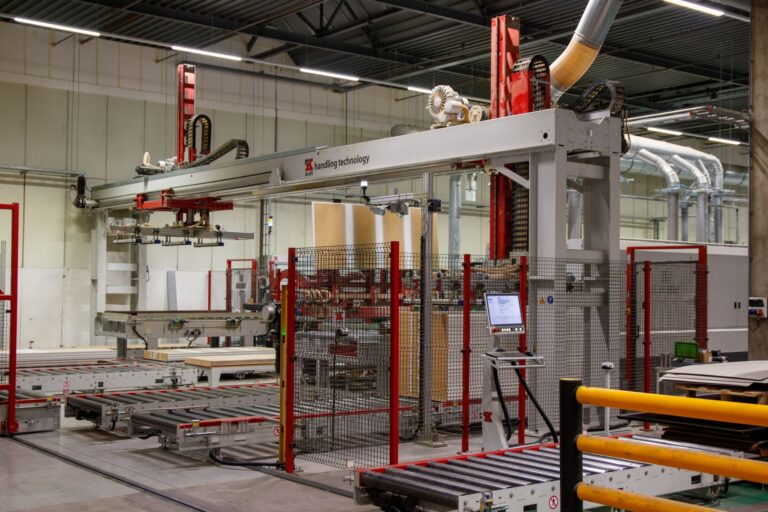
Perhaps the most significant long-term consequence for the QSR sector is the accelerated pivot to automation. For years, automation was a gradual evolution; in California, it’s become an urgent, strategic imperative. Operators are no longer just considering self-ordering kiosks; they’re actively investing in robotic fryers, automated beverage dispensers, AI-driven drive-thru systems, and advanced kitchen equipment that reduces the need for human intervention. This isn’t about novelty; it’s about cold, hard economics. The upfront capital expenditure for automation, while substantial, now offers a clearer, more predictable return on investment compared to perpetually rising human labor costs. Companies like CaliBurger and Chipotle are already experimenting with or deploying advanced robotic systems capable of performing tasks traditionally handled by multiple employees. This shift will fundamentally reshape the fast-food workforce, favoring maintenance technicians and data analysts over front-line order takers and food preparers. For operators, early adoption and strategic integration of these technologies will be a key differentiator between survival and obsolescence.
Operational Overhaul: Beyond Just Layoffs
The response to the $20 wage goes beyond simply cutting staff and raising prices. Operators are undertaking comprehensive operational overhauls. We’re seeing menu simplification – reducing complexity in offerings to streamline kitchen processes, cut down on prep time, and require fewer specialized skills from staff. Operating hours are being scrutinized, with some establishments opting to close earlier or open later to reduce non-peak labor expenditures. Inventory management and waste reduction are under an even sharper microscope, as every penny saved directly impacts the razor-thin margins. Franchisees, often operating with tighter budgets and less corporate flexibility, are particularly vulnerable. Some Pizza Hut franchisees in California, for instance, have reportedly laid off their delivery drivers, shifting to third-party delivery services to mitigate costs – another example of outsourcing labor risk. These aren’t minor tweaks; they are systemic changes to how fast-food businesses function, all aimed at protecting the critical margin.
The Margin Squeeze: A New Reality for Profitability
Before the $20 wage, the quick-service restaurant industry was characterized by high volume and relatively thin profit margins. This new wage mandate is a direct assault on that fragile equilibrium. Operators are now engaged in a desperate fight for every basis point of profitability. The implications extend beyond immediate financial statements; they impact future investment, expansion plans, and even the viability of current locations. Why invest in growth within California when other states offer a more favorable, predictable labor cost environment? This isn’t just a challenge for small, independent franchisees; it’s a fundamental shift for national chains evaluating their footprint and strategic investments. The California fast-food market is being reset, defining a new, tougher reality for what constitutes sustainable profitability. Those who fail to adapt to this leaner, more automated, and higher-priced paradigm will simply cease to exist.
The California $20 fast-food minimum wage isn’t just a legislative act; it’s a real-world stress test for an entire industry. What we’re witnessing is a rapid, Darwinian transformation driven by economic necessity. Job losses, higher food prices, and an aggressive embrace of automation are not unintended consequences; they are the logical, unavoidable responses from operators fighting to protect their businesses. For the quick-service industry, the message is clear: adapt, innovate, and embrace lean methodologies, or be left behind in the harsh new economic landscape of California.