California’s fast food industry is not just bracing for impact; it’s in full combat mode, scrambling to defend razor-thin margins against the new $20 minimum wage. This isn’t a policy debate for operators; it’s an existential threat demanding immediate, drastic operational overhauls. The ‘strike back’ from California’s fast food restaurants isn’t a coordinated offensive, but a desperate, decentralized fight for survival, characterized by aggressive cost-cutting, accelerated automation, and an unyielding focus on Lean Operations. For anyone in the food and beverage sector, California is now a live case study in how legislative mandates can force an entire industry to redefine its operational DNA.
The Financial Hammer Blow: Why $20 Isn’t Just a Number
Let’s cut to the chase: the $20 minimum wage isn’t a cost; it’s a direct assault on the profitability model of every fast food establishment in California. These aren’t high-margin businesses. Most operate on net profit margins ranging from 3% to 6% – sometimes even lower. Labor, traditionally, is one of the largest controllable expenses, often consuming 25-35% of gross revenue. A sudden, mandated jump to $20 an hour, representing an increase of up to 25% for many workers previously earning $16, doesn’t just squeeze margins; it can wipe them out entirely. This isn’t theory; it’s the cold, hard math of the P&L statement.
Franchisees, who often operate on even tighter margins and carry significant debt loads for their multi-unit operations, are particularly vulnerable. They’re bound by franchise agreements that dictate everything from menu items to marketing, limiting their flexibility. Their primary levers are operational efficiency and labor management. With labor costs escalating dramatically, their ability to remain viable is predicated on their agility in adapting their operational framework.
Lean Operations: The Imperative, Not the Option
In the face of this financial onslaught, ‘Lean Operations’ is no longer a strategic buzzword; it’s the absolute minimum requirement for survival. Operators are executing a multi-pronged counter-attack:
Aggressive Price Increases: The Risky First Line of Defense
The most immediate and visible response has been price hikes. Consumers are already seeing menu prices jump across California. While necessary to offset increased labor costs, this is a dangerous tightrope walk. Fast food thrives on affordability. Pushing prices too high risks alienating the core customer base, driving them to lower-cost alternatives or even away from the quick-service segment altogether. Operators are meticulously analyzing price elasticity, trying to find the ceiling before demand craters. This isn’t about padding profits; it’s about shifting the increased burden directly to the consumer – a move that often comes with a significant strategic gamble.
Labor Optimization: Every Minute, Every Head Under Scrutiny
This is where the rubber meets the road. ‘Labor optimization’ is a polite term for tough decisions. We’re seeing:
- Reduced Hours: Existing staff are finding their weekly hours cut, spreading the pain across the workforce rather than concentrating it on a few layoffs. For many, a higher hourly wage now means a lower weekly paycheck.
- Layoffs: While operators are hesitant to speak openly about mass layoffs, the evidence is anecdotal but strong. Some Pizza Hut franchises reportedly laid off delivery drivers in anticipation of the wage hike, shifting to third-party services. Other smaller chains are quietly trimming staff. Every position is now subject to intense scrutiny: is it absolutely essential? Can one person do the work of two?
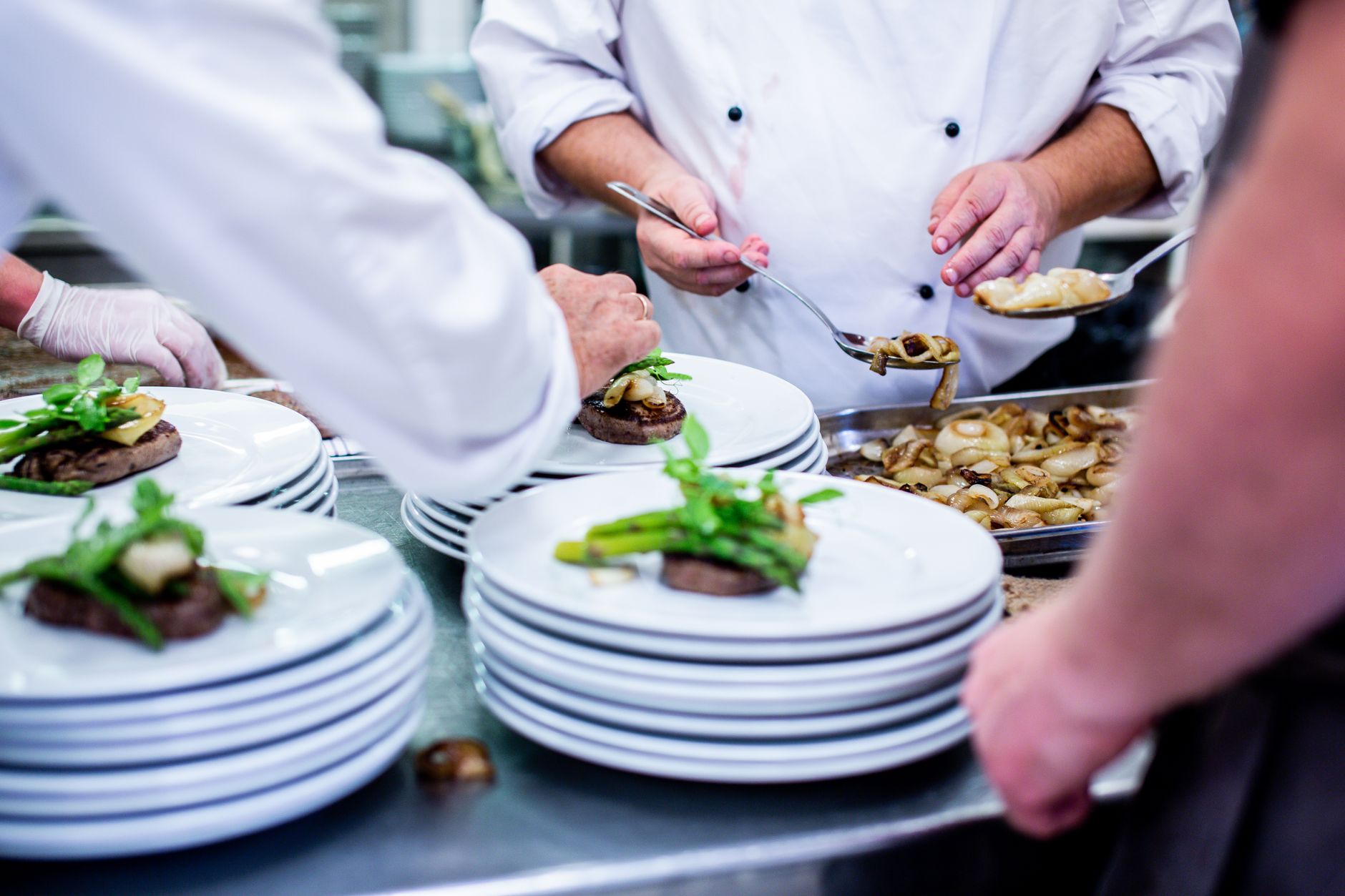
- Increased Workload & Cross-Training: The remaining staff are expected to do more. Front-of-house staff might be assisting in the kitchen during slow periods, and kitchen staff are expected to handle more diverse tasks. This maximizes the productivity of the expensive labor hours but puts significant strain on employee morale and retention, creating a complex new set of labor environment challenges.
The field reports are clear: ‘slack’ in the system is being ruthlessly eliminated. If a process can be made faster, more efficient, or simply cut, it’s happening.
Automation: From Fringe Idea to Core Strategy
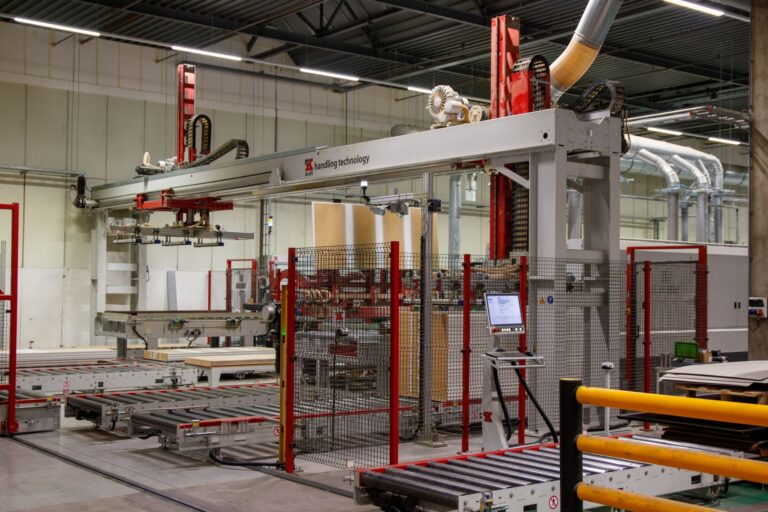
For years, automation in fast food was a slow-burn trend. The $20 minimum wage has turned it into a full-blown inferno. The ROI on automation — self-ordering kiosks, robotic fryers, automated beverage dispensers, AI-driven drive-thru order takers — just became significantly more attractive. A machine doesn’t ask for a raise, doesn’t take sick days, and its one-time capital expenditure can now be amortized against years of avoided labor costs.
We’re witnessing an accelerated investment in technology that reduces the need for human intervention. This isn’t just about speed; it’s about resilience against future wage mandates. The upfront capital is substantial, but for operators looking at long-term viability, it’s becoming an indispensable part of their defensive strategy.
Menu Rationalization and Supply Chain Scrutiny
Beyond labor and automation, operators are digging into every other cost center. Menu rationalization is a key tactic. Complex menu items that require significant prep time or unique ingredients are being scrutinized. Simplifying the menu reduces kitchen complexity, speeds service, and minimizes inventory waste – all contributing to a leaner, more efficient operation. Every item on the menu now needs to earn its keep, especially if its preparation is labor-intensive.
Concurrently, the focus on supply chain efficiency has intensified. Negotiating harder with suppliers, exploring alternative vendors, and optimizing inventory management are critical to shaving pennies off ingredient costs. While labor is the big ticket item, every fractional saving contributes to the margin defense.
The Broader Implications: A Blueprint for the Nation?
What’s happening in California is more than a local skirmish; it’s a blueprint for the national fast food industry. Other states contemplating similar wage hikes are watching intently. The California situation demonstrates that policy enacted without a deep understanding of operational economics can trigger unforeseen, systemic shifts:
- Job Losses vs. Wage Gains: The paradox of higher wages leading to fewer jobs is playing out in real-time.
- Acceleration of Automation: A clear signal that legislative pressure can be the most powerful driver for technological adoption.
- Bifurcation of the Industry: Traditional quick-service restaurants may struggle more than ‘fast-casual’ concepts, which often have higher price points and different service models.
For operators across the country, California serves as a stark warning: your operational agility is your only robust defense against legislative overreach. Proactive investment in efficiency, labor modeling, and technology integration is no longer optional; it’s fundamental to future-proofing your business.
The ‘strike back’ from California fast food restaurants isn’t a declaration of victory, but a desperate, determined struggle for survival. The $20 minimum wage has ignited an operational reset across the industry, forcing operators to innovate, cut deep, and ruthlessly optimize every facet of their business. Those who adapt swiftly, embrace Lean principles, and integrate technology will stand a chance. Those who don’t will simply be casualties in a new, harsh economic reality. This is the new baseline, and it’s a brutal one.