The global food and beverage industry stands at a critical juncture, facing a confluence of escalating geopolitical tensions, unprecedented climate volatility, and increasingly intricate logistics challenges. In this environment, the pursuit of sustainable supply chains, as highlighted by IFT.org and amplified by macro-economic data, is no longer merely a corporate social responsibility initiative; it has transmuted into a fundamental strategic imperative for ensuring operational resilience, mitigating financial risk, and securing long-term market competitiveness. Companies that fail to integrate a comprehensive sustainability framework, underpinned by robust data pipelines and sophisticated global hedging strategies, risk significant exposure to future disruptions, eroding shareholder value and jeopardizing their very license to operate.
The Geopolitical Imperative for Green Sourcing
Global food systems are inherently intertwined with geopolitical realities. Climate change, manifesting in unpredictable weather patterns, water scarcity, and biodiversity loss, directly impacts agricultural yields and regional stability, effectively redrawing the map of viable sourcing regions. Simultaneously, a resurgent wave of economic nationalism, protectionist trade policies, and localized conflicts introduces systemic risks to traditional supply routes and established supplier relationships. The strategic implications are profound: over-reliance on a single geographic region or a concentrated set of suppliers for critical ingredients becomes an unacceptable vulnerability. David Chen’s analysis consistently shows that companies must diversify their sourcing footprint, moving beyond lowest-cost models to embrace a multi-origin, multi-vendor strategy that prioritizes geopolitical stability and environmental stewardship. This mandates forensic analysis of supplier portfolios, assessing not only quality and cost but also their environmental impact, labor practices, and exposure to political instability, creating a comprehensive risk matrix that informs procurement decisions. Furthermore, investment in climate-resilient agriculture and localized food production initiatives, while seemingly costly upfront, acts as a hedge against global supply shocks and transportation disruptions, securing localized resilience.
Logistics Risk & the Data Pipeline Mandate
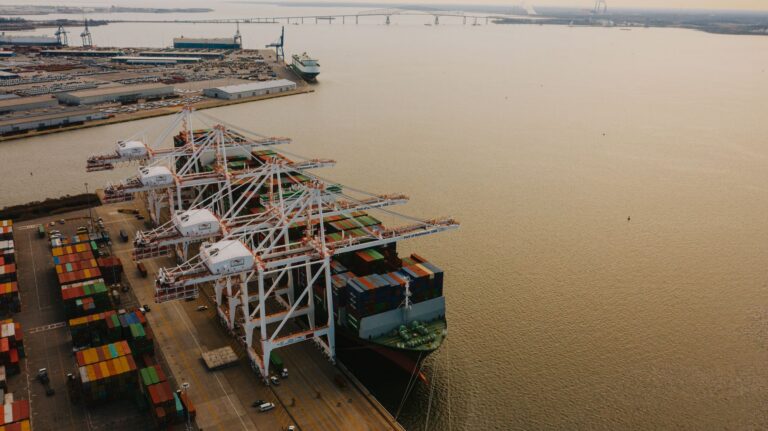
The journey from farm to fork is increasingly fraught with logistical complexities. Port congestions, labor shortages, fluctuating fuel prices, and the accelerating pace of regulatory changes create a dynamic and unpredictable operational landscape. For the food industry, which relies heavily on perishable goods and stringent cold chain integrity, these risks are amplified. The traditional ‘just-in-time’ model, optimized for efficiency, often lacks the redundancy necessary to absorb shocks. Here, the strategic deployment of advanced data pipelines becomes paramount. Real-time data collection from IoT sensors embedded across the supply chain—monitoring temperature, humidity, location, and even carbon footprint—provides unprecedented visibility. This granular data, when funneled through sophisticated analytics platforms, empowers proactive risk identification, predictive maintenance, and optimized route planning. Blockchain technology emerges as a powerful tool, not just for traceability in recalls, but for immutable record-keeping of sustainable practices, carbon credits, and ethical sourcing, building trust and transparency. A robust data infrastructure transforms raw information into actionable intelligence, enabling companies to swiftly adapt to disruptions, reroute shipments, and ensure product integrity, thereby de-risking the physical movement of goods.
Hedging Against Volatility: Financial & Operational Strategies
In an era defined by commodity price swings and currency fluctuations, effective global hedging strategies are indispensable. Beyond traditional financial instruments such as futures and options contracts for key agricultural commodities (e.g., corn, wheat, sugar), food and beverage companies must explore more nuanced approaches. This includes strategic inventory management, moving away from lean inventory models towards optimized buffer stocks that can absorb short-term supply chain shocks without incurring excessive carrying costs. Furthermore, currency hedging strategies are vital to protect against adverse foreign exchange movements, especially for companies with diversified international sourcing or export markets. Operationally, diversification extends beyond sourcing to include manufacturing locations and distribution hubs. The concept of ‘friend-shoring’ or ‘near-shoring’ production to politically aligned or geographically proximate regions, while potentially increasing initial capital expenditure, significantly reduces geopolitical and logistical exposure. Strategic partnerships with logistics providers offering multi-modal transport options and dynamic warehousing solutions also contribute to operational hedging, ensuring flexibility in unforeseen circumstances. Ultimately, hedging, whether financial or operational, is about building layers of protection against an inherently uncertain future.
Technology Integration: The Backbone of Future Resilience
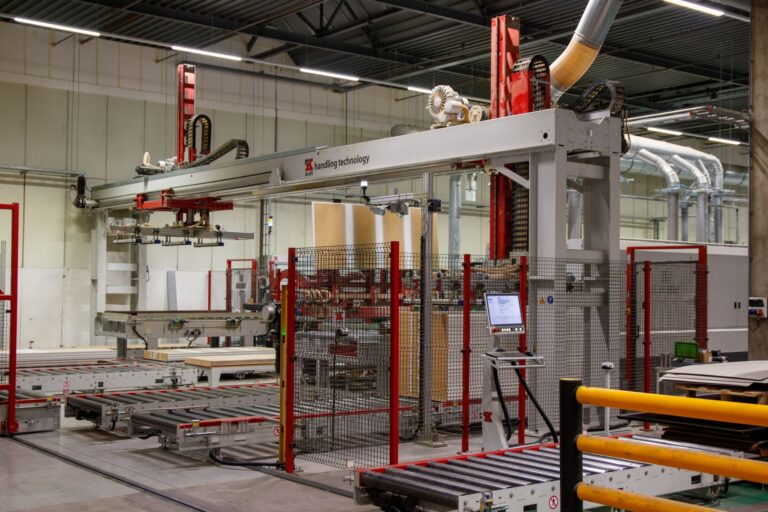
The convergence of sustainability goals with technological innovation is creating a new paradigm for supply chain management. Artificial Intelligence (AI) and Machine Learning (ML) are moving beyond mere demand forecasting; they are now critical for predicting supply chain vulnerabilities, identifying alternative suppliers with lower environmental footprints, and optimizing resource allocation to minimize waste. For instance, AI algorithms can analyze satellite imagery and historical weather data to predict crop yields and potential shortages, allowing proactive adjustments in procurement. Digital twin technology allows for the simulation of various supply chain scenarios, testing the resilience of different strategies against hypothetical disruptions before real-world implementation. This foresight enables companies to proactively invest in sustainable technologies, such as energy-efficient cold storage, electric fleet vehicles, or precision agriculture tools, which not only reduce environmental impact but also lower operational costs and enhance long-term resilience. The integration of Enterprise Resource Planning (ERP) systems with supply chain planning (SCP) and manufacturing execution systems (MES) creates a holistic, interconnected data ecosystem, providing a singular source of truth for all aspects of the supply chain. This integrated technological backbone is not just about efficiency; it’s about building a fundamentally smarter, more adaptable, and ultimately more sustainable global food supply chain.
In conclusion, the call for sustainable supply chains is a clarion call for strategic recalibration across the food and beverage industry. It demands a macroscopic, data-driven approach that acknowledges the intricate interplay of geopolitical forces, logistical complexities, and technological advancements. Companies that proactively invest in robust data pipelines, implement sophisticated global hedging strategies, and embrace disruptive technologies will not only meet the evolving expectations of consumers and regulators but will also forge resilient, future-proof supply chains capable of navigating the inherent volatility of the 21st century. This is not merely an ethical choice; it is a profound business imperative for survival and sustained growth.