The innocuous raisin, a staple in countless food and beverage formulations, has become an unlikely bellwether for the escalating fragility of global ingredient supply chains. Recent geopolitical tensions involving Iran, a significant global producer, have initiated a ‘raisin squeeze’ that extends far beyond a mere commodity price hike. This incident serves as a stark, empirical stress test, compelling food and beverage manufacturers to critically re-evaluate their systemic exposure to geopolitical risk, their logistical vulnerabilities, and the glaring deficiencies in their data-driven foresight capabilities.
As a key player in the global dried fruit market, Iran’s contribution to the raisin supply is substantial. Its output, predominantly encompassing varieties such as Sultana and Golden raisins, flows into diverse markets, from bakery and confectionery to snack foods and breakfast cereals. When the geopolitical temperature rises – manifesting in trade restrictions, sanctions, or logistical disruptions impacting shipping lanes and port operations – the immediate consequence is a tightening of supply. This isn’t merely a matter of reduced volume; it’s a disruption to the established rhythm of trade, creating cascading effects across the entire value chain.
The Geopolitical Fault Lines and Market Repercussions
The current volatility stems from a complex interplay of regional political dynamics and international relations, which directly impacts Iran’s export capabilities. Shipping insurance premiums surge, transit times lengthen due to rerouting or increased scrutiny, and the overall cost of doing business with or through the region escalates dramatically. For F&B procurement teams, this translates into immediate upward pressure on raw material costs, eroding already thin profit margins. The spot market reacts instantaneously, often with price increases of 20-30% or more within weeks, compelling manufacturers to scramble for alternative sources or absorb unprecedented cost shocks.
This crisis underscores the inherent risk of geographical concentration. While other significant raisin producers exist – Turkey, the United States (California), South Africa, and Chile being prominent examples – their collective capacity cannot instantaneously absorb a substantial shortfall from a major supplier without significant price adjustments. Furthermore, these alternative origins may have their own unique vulnerabilities, be it climatic events, labor disputes, or logistical constraints, highlighting a pervasive lack of redundancy in the global system. The F&B industry, accustomed to a just-in-time inventory model optimized for cost efficiency, finds itself ill-equipped to handle such abrupt and multifaceted supply shocks.
Operational Drag and Financial Erosion
Beyond direct commodity price inflation, the ‘raisin squeeze’ inflicts a substantial operational drag. Procurement strategies, often predicated on long-term contracts and stable supply lines, are thrown into disarray. Manufacturers face difficult choices: either reformulate products, potentially alienating consumers who expect consistent taste and texture, or absorb the higher costs, thereby jeopardizing profitability and shareholder value. The challenge of passing these costs onto the consumer is magnified in a competitive, inflation-sensitive market, leading to a
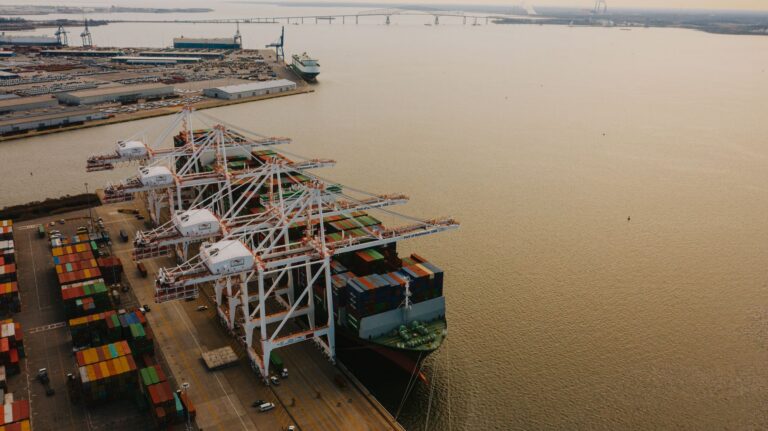
Logistical impediments form another critical layer of vulnerability. Geopolitical flashpoints invariably impact shipping routes and port efficiencies. Vessel rerouting, increased security protocols, and potential port congestion lead to extended lead times and skyrocketing freight costs. For ingredients with relatively low individual value but high volume, such as raisins, the cost of transportation can disproportionately inflate the final landed cost, further squeezing margins. The absence of robust, real-time data on global shipping capacity, port status, and potential chokepoints leaves many manufacturers reacting in the dark, rather than proactively mitigating risk.
Bridging the Data and Technology Chasm
The raisin crisis lays bare a critical deficiency across much of the F&B supply chain: a lack of integrated, predictive data pipelines. Current visibility often extends only one or two tiers deep, rendering companies blind to the ripple effects of geopolitical events on their critical third- and fourth-tier suppliers. Without sophisticated data analytics and AI-driven foresight, F&B enterprises are perpetually in a reactive mode, managing crises rather than preempting them.
To cultivate true resilience, a paradigm shift is required. This involves investing in advanced technologies:
- AI-Powered Predictive Analytics: Leveraging machine learning to analyze geopolitical indicators, weather patterns, trade policy shifts, and logistics data to forecast potential disruptions well in advance.
- Blockchain for End-to-End Traceability: Implementing distributed ledger technology to provide immutable, real-time visibility into the origin, journey, and certification of ingredients, fostering trust and enabling rapid identification of contaminated or compromised batches.
- IoT Sensors: Deploying Internet of Things devices across the logistics network to monitor conditions (temperature, humidity) and track shipments in real-time, improving transparency and allowing for dynamic rerouting.
- Digital Twins: Creating virtual models of entire supply chains to simulate the impact of various disruption scenarios, allowing companies to stress-test their strategies and identify weak points proactively.
Strategic Imperatives for Future-Proofing
Navigating this increasingly volatile landscape demands a multi-pronged strategic response:
- Diversification of Sourcing: Beyond geographical spread, this includes diversifying cultivar types and processing methods. Developing relationships with suppliers across multiple regions, even if it entails slightly higher average costs, is a critical hedge against single-point failures.
- Global Hedging Strategies: Employing financial instruments such as forward contracts, commodity futures, and options to lock in prices or mitigate exposure to price volatility. This requires sophisticated market intelligence and a deeper integration of financial risk management with procurement functions.
- Building Buffer Stock Strategically: While counter to traditional just-in-time principles, maintaining strategic reserves of critical, geopolitically vulnerable ingredients can provide a crucial buffer during short-to-medium term disruptions. The cost of carrying inventory must be weighed against the cost of production stoppages or punitive spot market premiums.
- Regionalization and Nearshoring: Evaluating the feasibility of sourcing ingredients from closer, less geopolitically volatile regions, even if it means adjusting product specifications or ingredient profiles. This mitigates long-distance shipping risks and reduces reliance on complex intercontinental logistics.
- Collaborative Ecosystems: Engaging in industry-wide data sharing initiatives and collaborative risk assessment platforms. Sharing anonymized data on supply trends and potential disruptions can elevate the resilience of the entire sector.
The ‘raisin squeeze’ is not an isolated incident; it is a microcosm of a larger, systemic challenge facing the global F&B industry. From sunflower oil shortages due to regional conflicts to cocoa price surges driven by climate change, every ingredient carries a geopolitical and environmental risk profile. The current events in Iran underscore that