Lagos, Nigeria – Pinnick Foods’ recent announcement, celebrating its one millionth pouch produced concurrently with a substantial $20 million investment plan for West Africa, marks a pivotal moment for the region’s food and beverage (F&B) sector. This move by the fast-moving consumer goods (FMCG) player is not merely an expansion; it represents a calculated maneuver within a complex geopolitical landscape, demanding astute supply chain orchestration and sophisticated risk mitigation strategies for sustainable growth.
The dual announcement underscores a critical inflection point: the operational capability to achieve significant production milestones coupled with the strategic capital allocation for deeper market penetration. For B2B stakeholders in F&B, this signals both the accelerating potential of West Africa’s consumer base and the heightened competitive intensity that demands a macro-analytical lens on supply chain resilience, logistics optimization, and tech-driven operational efficiencies.
The Strategic Calculus of West Africa’s F&B Frontier
West Africa, with its burgeoning youth population, rapid urbanization, and an expanding middle class, presents an undeniable growth vector for packaged foods. Pinnick Foods’ $20 million commitment is a clear bet on these demographic and economic fundamentals. However, successful market capture in this region is predicated not just on product appeal but crucially on mastering the intricate dance of supply chain dynamics. The investment, likely channeled into expanded production facilities, automation upgrades, and localized distribution networks, aims to capitalize on this consumer demand while simultaneously building capacity.
Achieving the one-million-pouch milestone demonstrates a certain operational maturity and proof of concept within Pinnick’s existing infrastructure. The subsequent $20 million infusion suggests a scale-up strategy that will inevitably test the robustness of regional logistics. From a geopolitical perspective, operating across West Africa’s diverse regulatory environments, varying infrastructure quality, and sometimes volatile socio-political climates requires a granular understanding of each market’s unique risk profile. Companies like Pinnick must navigate the complexities of ECOWAS trade protocols, localized sourcing requirements, and the often-fragmented last-mile distribution challenges unique to the continent.
Hedging Against Geopolitical Headwinds: Supply Chain Resilience
For Foodsatlas.com, the core of this expansion lies in how Pinnick Foods intends to de-risk its supply chain within a region characterized by significant logistical hurdles. The $20 million investment must be viewed through the prism of enhancing resilience. This includes, but is not limited to, strategic inventory positioning, diversification of raw material sourcing (both local and international), and the establishment of redundant distribution channels.
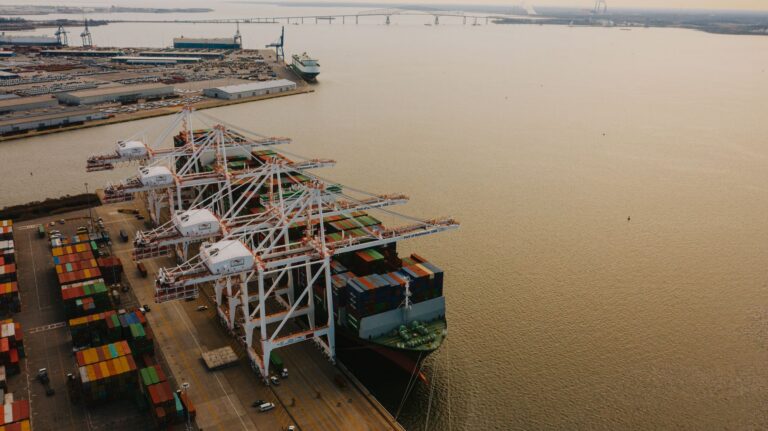
Logistics risk management in West Africa is paramount. Port congestion, particularly in key hubs like Lagos, Abidjan, and Tema, can introduce significant delays and costs. Road infrastructure, while improving, remains a critical bottleneck for inter-country and last-mile deliveries. Effective temperature-controlled logistics, crucial for many F&B products, adds another layer of complexity and capital expenditure. Pinnick’s strategy likely involves robust partnerships with local logistics providers, leveraging their on-the-ground expertise, and potentially investing in their own fleet for greater control and reliability.
Furthermore, currency volatility, particularly in Nigeria, represents a substantial financial risk. A sophisticated global hedging strategy, encompassing forward contracts and options, becomes indispensable to protect margins against rapid depreciations of local currencies. This requires a deep integration of financial market intelligence with operational planning, ensuring that procurement and sales strategies are aligned with currency risk mitigation protocols.
Technology Integration: The Data Pipeline for Scalable Operations
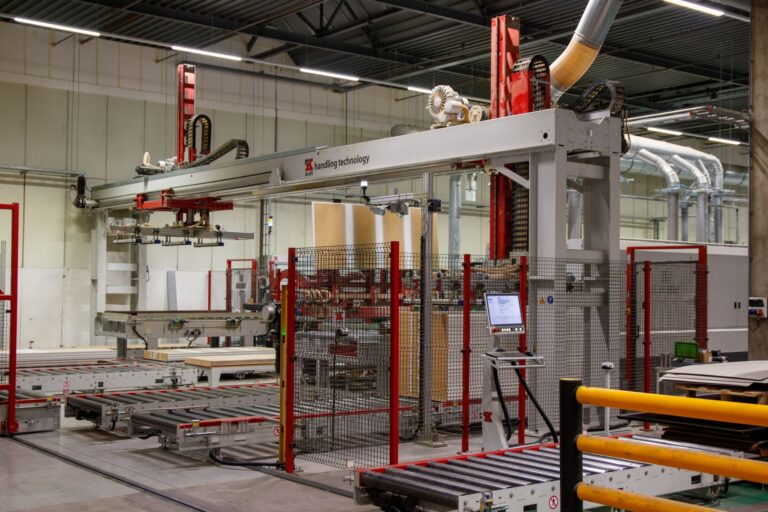
The achievement of one million pouches implies a level of operational efficiency that is increasingly reliant on technology. The $20 million investment will undoubtedly accelerate this technological integration. For a high-volume, low-margin business like packaged foods, automation in manufacturing is non-negotiable. Robotics for packaging, advanced quality control systems, and enterprise resource planning (ERP) systems capable of real-time inventory management and production scheduling are critical.
Beyond the factory floor, the focus shifts to data-driven insights. Pinnick must establish a robust data pipeline that can ingest information from sales, distribution, consumer feedback, and even geopolitical intelligence to inform decision-making. Predictive analytics for demand forecasting, optimized routing for logistics, and sensor-based monitoring for cold chain integrity are no longer optional but essential for competitive advantage. The ability to quickly adapt to market shifts, consumer preferences, and unforeseen supply disruptions will hinge on the agility of its data infrastructure.
Moreover, the investment offers an opportunity to explore sustainable packaging innovations and localized content development, both from a sourcing and talent perspective. These elements not only resonate with modern consumer values but also offer long-term operational and reputational benefits, solidifying Pinnick’s position as a responsible corporate actor in the region.
Competitive Landscape and Future Outlook
Pinnick Foods’ bold move will undoubtedly intensify competition in the West African F&B sector. Local incumbents, along with other multinational players, will be closely monitoring its strategy and execution. This could trigger a wave of further investments, partnerships, or even consolidation as companies vie for market share. The ability to scale rapidly while maintaining product quality and price competitiveness will be the ultimate determinant of success.
From an investment perspective, this demonstrates the continued appetite for growth in emerging markets, provided the underlying operational and risk frameworks are sound. Pinnick’s ability to seamlessly integrate its manufacturing prowess with a finely tuned, technologically advanced, and geopolitically aware supply chain will serve as a critical case study for other F&B players eyeing similar expansions.
The $20 million investment is more than capital expenditure; it is a strategic declaration of intent. How Pinnick Foods leverages this capital to build resilient supply chains, integrate cutting-edge technology, and expertly navigate the multifaceted risks of West Africa will ultimately determine its long-term success and set a benchmark for regional F&B expansion.