CALIFORNIA — The economic hammer has dropped, and this time, the echoes are coming from an unexpected corner. New research, notably from academics affiliated with the Service Employees International Union (SEIU), has acknowledged what countless fast-food operators in California have been screaming from the trenches for months: the state’s aggressive $20 minimum wage law has directly contributed to job losses across the quick-service restaurant sector. This isn’t conjecture from industry lobbyists; it’s a stark admission from sources historically aligned with labor advocacy, validating the grim predictions made by business owners on the front lines.
For the B2B landscape of the food and beverage industry, particularly in California, this isn’t just news; it’s a brutal confirmation of an operational reality that many were forced to confront long before the headlines. Our analysis at Foodsatlas.com has consistently highlighted the direct correlation between escalating labor costs and the ruthless pursuit of leaner operations. This latest development underscores the absolute necessity for every operator, from independent owner-operators to multi-unit franchisees, to re-evaluate their entire business model with an unwavering focus on efficiency and survival.
The Unvarnished Truth: Thousands of Jobs Lost
The core finding is unambiguous: the $20 fast-food minimum wage, implemented in April, has resulted in significant job displacement. While the exact figures are still being tallied and debated, reports indicate thousands of positions have vanished. This is not a nuanced academic exercise for those who own and operate these establishments; it’s a direct threat to their livelihood and the viability of their business. When the cost of labor jumps by more than 25% overnight, especially for businesses operating on razor-thin margins, the only viable response is a painful recalibration of the workforce.
This isn’t about blaming workers; it’s about immutable economic laws. Businesses don’t just absorb such a dramatic cost increase without fundamental changes. They can’t. The options are few and often harsh: raise prices, reduce staff, cut hours, or automate. The market dictates the extent to which prices can be raised before customer demand plummets. Therefore, labor adjustments become an unavoidable lever. And for employees, what was touted as a path to higher wages has, for many, led to no wages at all.
Operational Fallout: The Lean Imperative Intensifies
The operational implications are profound and immediate. For years, Foodsatlas.com has championed the principles of lean operations – minimizing waste, maximizing efficiency, and optimizing every square foot and every labor hour. In California’s current climate, ‘lean’ isn’t a strategy; it’s the only path to solvency. Operators are being forced into brutal decision-making:
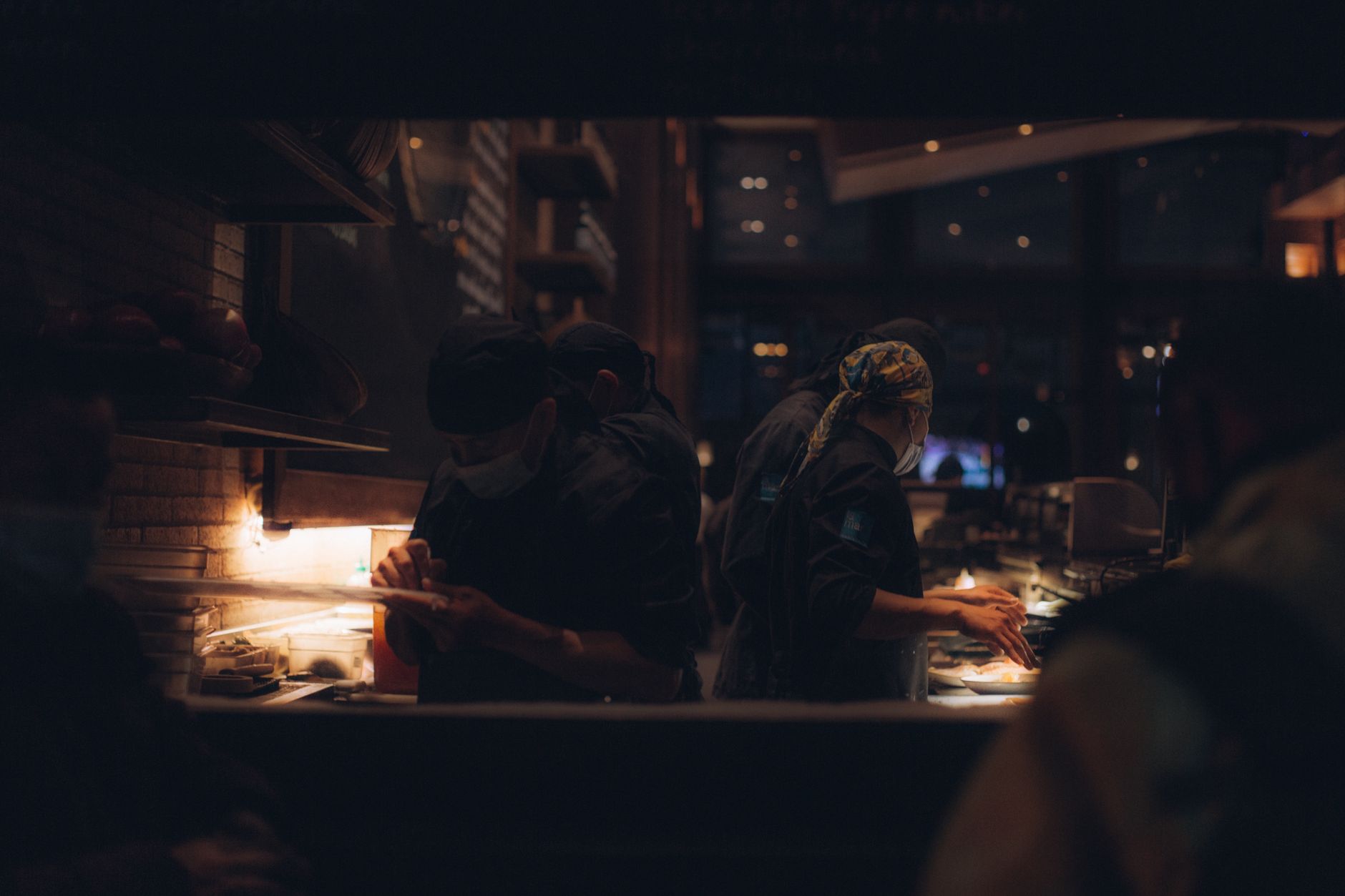
- Staff Reductions and Hour Cuts: This is the most direct consequence. Companies are scrutinizing every shift, every task, and asking if it can be done with fewer hands or in less time. Part-time positions are being eliminated, and full-time roles are being streamlined.
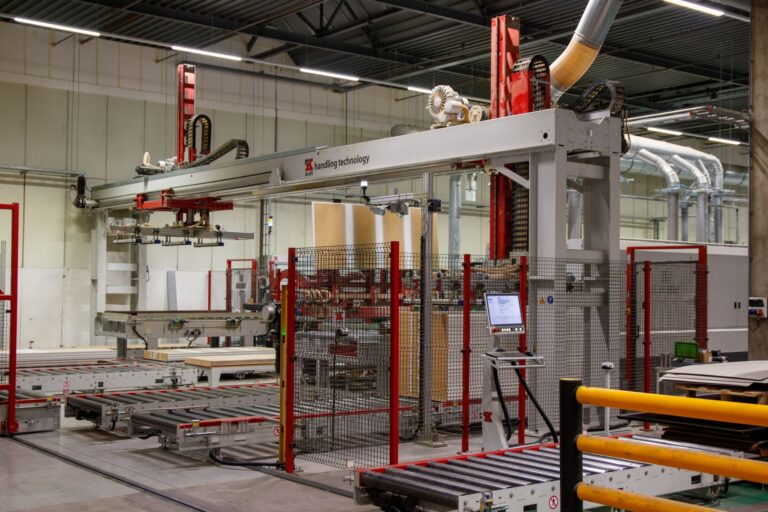
- Acceleration of Automation: This isn’t just about kiosks anymore. We’re seeing increased investment in automated fryers, burger flippers, order fulfillment systems, and back-of-house technology. Why pay $20 an hour for a task a machine can do consistently and tirelessly for a fraction of the long-term cost?
- Menu Engineering and Price Hikes: To offset some of the labor cost, businesses are forced to raise prices, risking customer backlash and decreased foot traffic. Others are simplifying menus to reduce preparation time and labor intensity, focusing on high-margin, high-volume items.
- Consolidation and Exit: Smaller, independent operators and franchisees, already struggling with tight margins, are the most vulnerable. Many are finding it impossible to continue, leading to closures and market consolidation benefiting larger chains with greater economies of scale and capital for automation.
The idea that businesses could simply ‘absorb’ these costs without impacting jobs or consumer prices was always detached from the gritty reality of running a restaurant. This SEIU-affiliated research effectively pulls back the curtain, exposing the fundamental flaw in that simplistic narrative.
The SEIU’s Admission: A Critical Turning Point?
The significance of this admission cannot be overstated. For months, proponents of the wage hike dismissed industry warnings as fear-mongering. Now, with research from within their own sphere validating these concerns, it becomes harder to ignore the direct link between policy and economic outcome. This forces a critical re-evaluation of not just the California law, but also the broader push for similar minimum wage hikes nationwide.
For food and beverage executives, this isn’t about ‘winning’ an argument; it’s about operating in a sustainable environment. This report provides crucial, undeniable data points that should inform future policy discussions. It’s evidence that well-intentioned policy, without a grounding in economic reality, can lead to painful, unintended consequences for the very people it aims to help.
Forward Vision: Adapting to the New Normal
What does this mean for the future? It means the ‘new normal’ in the fast-food industry will be defined by an even more aggressive pursuit of efficiency and technology. Operators must be brutally honest about their operational structure. Every process, every employee hour, every inventory item needs to be scrutinized. Data analytics, supply chain optimization, and intelligent scheduling are no longer luxuries; they are essential tools for survival.
For those looking to enter or expand in the California market, the barriers to entry have just been raised significantly. The emphasis must shift from traditional labor-intensive models to innovative, tech-enabled, lean operations. The human element will always be crucial, but the roles will become more specialized, more efficient, and often, fewer in number.
This admission by SEIU-affiliated researchers is a sobering confirmation of a harsh economic truth. It’s a wake-up call, not just for policymakers, but for every operator in the food and beverage industry. Adapt or perish. The margins demand it, and the market shows no mercy for those who fail to heed the warning.