Look, anyone pushing automation as the ultimate fix for fast food’s labor crunch hasn’t spent enough damn time on the line. The hype machine is strong, but the reality on the ground tells a brutal story: ill-conceived automation isn’t just failing to solve operational problems, it’s actively creating new, more insidious ones that bleed margins and erode what little efficiency operators have managed to salvage. The ‘problem’ isn’t the lack of robots, it’s the lack of rigorous operational foresight and a blind faith in tech over lean process design.
The Myth of Instant Labor Savings
The first siren song of automation is always the promise of slashing labor costs. On paper, replacing a minimum-wage employee with a machine sounds like an accountant’s dream. But this simplistic view ignores a mountain of hard realities. What about the initial capital expenditure? We’re not talking about a new spatula here. High-end automated kitchen equipment, robotic fryers, and sophisticated POS kiosks come with six-figure price tags that demand a significant upfront investment. For many independent operators or even smaller chains struggling with current market conditions, this is a non-starter. Even for the big players, the ROI calculation is often murky, extended over years, and highly sensitive to throughput and operational uptime.
And then there’s the hidden cost of maintenance. These aren’t indestructible marvels. Automated systems break down. They jam. They require specialized technicians, often on retainer, whose hourly rates make your average line cook look like a bargain. When a Kiosk goes down, or a robotic arm seizes up, it’s not just an inconvenience; it’s a direct hit to your throughput, customer satisfaction, and ultimately, your daily revenue. Human staff, for all their perceived ‘cost,’ offer an unparalleled degree of flexibility and improvisation that no machine can match when things inevitably go sideways.
Operational Friction: Automation’s Unseen Tax
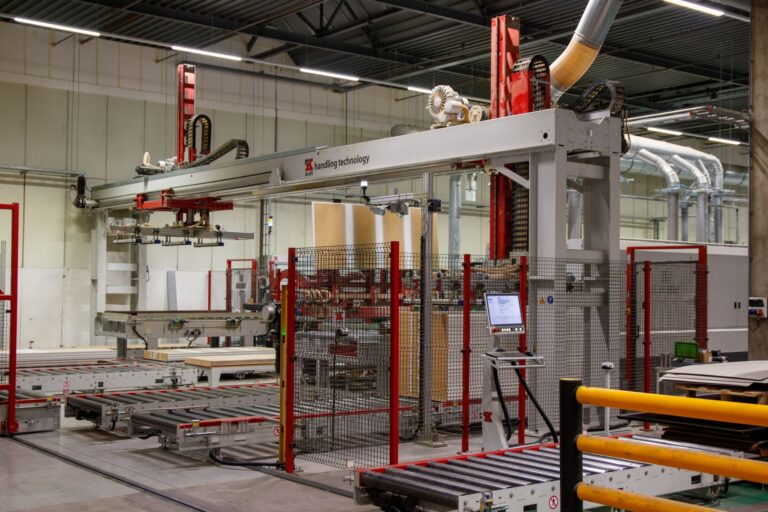
Implementing automation isn’t a plug-and-play scenario. It demands a complete overhaul of existing workflows, often exposing deep-seated operational inefficiencies that were previously papered over by human adaptability. A poorly designed automated system can create bottlenecks faster than it can serve burgers. Think about it: if your ingredient prep isn’t perfectly synchronized with a robotic assembly arm, you haven’t automated efficiency; you’ve just automated a faster way to create chaos. The very lean principles that should guide operational design are frequently discarded in the rush to ‘innovate.’ Automation should enhance an already streamlined process, not serve as a band-aid for a fundamentally broken one.
Furthermore, the integration nightmare is real. Getting disparate systems to communicate flawlessly – the order kiosk talking to the kitchen display, the automated fryer, the inventory management – is a complex undertaking. Each point of failure introduces friction, slows service, and frustrates both staff and customers. These aren’t abstract problems; they’re the daily grind that wears down staff morale and chases away repeat business. Operators need to ask themselves: is this new piece of tech truly simplifying the operation, or am I just adding another layer of complex, expensive points of failure?
The Human Element: More Than Just a Cost Line Item
Let’s talk about the labor environment. While automation is often touted as a solution to labor shortages, it often creates a new set of human resource challenges. The jobs that remain in an automated environment often become more focused on oversight, troubleshooting, and customer service for technology that isn’t working perfectly. This requires a different skill set, demanding training investment, and frankly, some staff aren’t interested in becoming robot babysitters. Employee resistance to new technology, if not managed correctly, can actively undermine its effectiveness.
Beyond the technical aspect, there’s the critical issue of the customer experience. Fast food, at its core, is a service industry. While speed and consistency are paramount, the complete removal of human interaction can alienate a significant portion of your customer base. A friendly face, a quick solve to a forgotten item, or even just the simple act of human transaction can be a crucial differentiator. When kiosks freeze or an order gets botched by an algorithm, the lack of a human intermediary to quickly rectify the situation can turn a minor hiccup into a brand-damaging customer meltdown. We’re in the business of serving people, not just pushing product out the door. Neglect that at your peril.
Defending Margins: A Call for Lean, Not Lavish
My message to restaurant owners and executives is simple, direct, and forged in the trenches: stop chasing shiny objects and start focusing on genuine, field-tested operational efficiency. True margin defense doesn’t come from a quick-fix automation spree; it comes from ruthless scrutiny of every process, every cost, and every interaction point. Before you pour millions into robotics, ask yourselves: Is our kitchen layout truly optimized for flow? Are our inventory controls airtight? Are our staff trained not just to execute, but to problem-solve and anticipate?
Automation has its place, undoubtedly. When deployed strategically, to augment existing efficient processes, reduce genuinely repetitive and undesirable tasks, and truly enhance the customer experience without creating new liabilities, it can be a powerful tool. But blind adoption, driven by fear of labor costs or the illusion of modernity, is a fast track to operational disaster. Prioritize lean operations, understand the total cost of ownership (TCO) beyond just acquisition, and never underestimate the value of a well-trained, engaged human workforce. Your margins, and your sanity, depend on it.