California’s fast-food industry is bracing for impact. The new $20 minimum wage isn’t just a bump; it’s a seismic shift, forcing operators to confront a brutal reality: adapt or die. Local businesses, from multi-unit franchisees to independent stalwarts, are openly warning of restaurant closures, staff reductions, and a fundamental re-evaluation of every operational cog. This isn’t theoretical economics; it’s a direct threat to the very lean margins that define quick-service profitability, demanding immediate, aggressive action.
The Unrelenting Math: Margin Erosion is Imminent
Let’s cut the pleasantries: this is about raw numbers. A nearly 25% jump in minimum wage from $16 to $20 for major fast-food chains isn’t absorbed; it’s passed on, or it crushes the business. Labor costs, already the largest variable expense, will surge, eating away at net profits that, for many QSRs, hover in the single digits. This isn’t just about direct wages either. Payroll taxes, workers’ compensation premiums, and benefits, all tied to wage bases, will inevitably climb. Operators aren’t crying wolf; they’re staring down a fiscal cliff, compounded by rising food costs, relentless energy bills, and rent that shows no sign of decelerating. For many, the calculation is stark: a 25% increase in base wages translates directly to an immediate, non-negotiable hit to the bottom line, often exceeding what their current operational efficiency can bear without significant intervention.
Leaner, Meaner: Operational Shifts Are Not Optional
So, what’s the playbook for survival? It’s lean, it’s mean, and it’s unforgiving. The luxury of ‘business as usual’ evaporated the moment this legislation passed. Operators are now forced into a high-stakes game of operational chess, where every move must defend dwindling margins.
1. Price Hikes: Unavoidable But Risky
The first lever is always price. Expect menu prices to climb, potentially significantly. But there’s a ceiling. California consumers, already facing a high cost of living, have limits to their price sensitivity. Push too far, and demand drops – a classic elasticity dilemma that can negate any wage offset. The balancing act is delicate; raise prices too little, and you bleed; raise them too much, and customers walk.
2. Staffing Reductions & Optimization: The Hard Truth
This is where the rubber meets the road. Operators will reduce labor hours, optimize shift schedules with surgical precision, and, regrettably, cut positions. The focus will be on maximizing productivity per employee. Cross-training becomes paramount. Every minute on the clock must be justified by direct value creation. Managers will be under immense pressure to achieve more with less, a brutal test of efficiency and leadership.
3. Automation Acceleration: The New Imperative
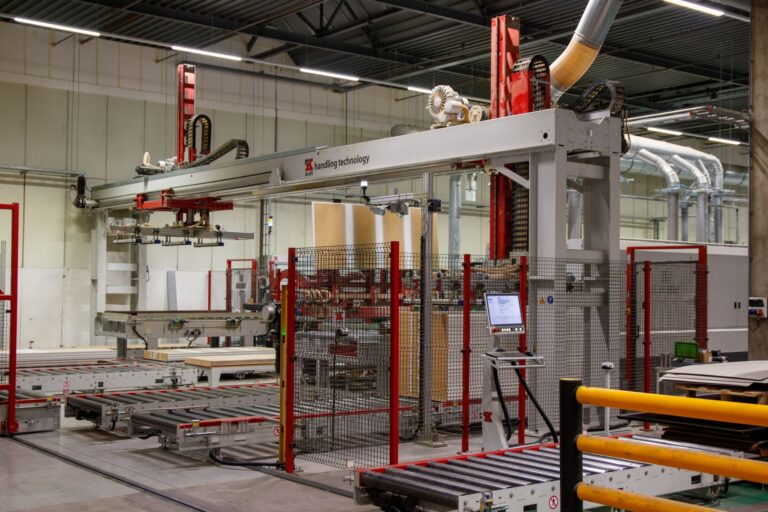
The business case for automation just got significantly stronger. Self-service kiosks, robotic fryers, automated drive-thru systems – what was once a strategic investment now becomes an operational imperative. The upfront capital cost starts to look like a bargain compared to an ongoing, escalating labor expense. For many, investing in technology is no longer an option but a desperate necessity to mitigate surging payrolls.
4. Menu Engineering & Simplicity: Efficiency in Every Bite
Complex menus require more prep time, more staff, and more inventory. Expect a renewed focus on streamlining offerings, maximizing ingredient utility, and potentially trimming less popular, high-labor items. Simplicity drives efficiency, reduces waste, and allows for faster service with fewer hands. Every ingredient, every step in the process, will be scrutinized for its contribution to margin.
5. Operational Hours & Service Models: Adapt or Perish
Some might reduce operating hours, particularly during off-peak times, to minimize labor costs when demand is low. Others might pivot further into drive-thru and delivery-only models, requiring fewer front-of-house staff. The traditional dine-in model might become a luxury few can afford to staff adequately, leading to a fundamental shift in how quick-service restaurants interact with their customers.
The Labor Paradox: Fewer Jobs for Higher Wages?
The irony isn’t lost on anyone: a measure intended to uplift workers could inadvertently lead to fewer jobs. For those who retain their positions, the higher wage is a clear benefit, potentially improving retention. But for the aspiring new hires or those whose roles are automated or eliminated, the landscape becomes tougher. There will be increased competition for fewer, higher-paying roles, demanding higher skill sets and efficiency from employees. This fundamentally alters the entry-level job market in the fast-food sector, potentially closing doors for those who need them most and creating a more demanding environment for those who remain.
Strategic Re-alignment: A Darwinian Shift
This isn’t just about day-to-day tactics; it’s about strategic re-alignment. Independent operators, without the buying power or diversified revenue streams of larger chains, are particularly vulnerable. Many might sell, consolidate, or simply close their doors. Larger franchisees will be forced to renegotiate supplier contracts with renewed vigor and scrutinize every line item. Expect to see chains doubling down on technology investments, not just in the kitchen, but in back-office systems that predict demand and optimize staffing with brutal efficiency. The California fast-food market is entering a period of Darwinian selection. Only the leanest, most agile, and most capital-efficient operations will survive and thrive, setting a precedent that other states, potentially considering similar legislation, will watch with trepidation.
The Shakeout Has Begun
The $20 fast food minimum wage is a powerful regulatory intervention with immediate, tangible consequences for California’s restaurant owners. The rhetoric around ‘fair wages’ must now contend with the brutal reality of ‘sustainable business.’ Operators face an unenviable choice: innovate ruthlessly, accept dramatically thinner margins, or risk becoming another casualty in a rapidly changing landscape. The future of California’s quick-service restaurants won’t be defined by generosity, but by an unwavering commitment to operational excellence, relentless cost control, and a fierce defense of every single margin point. The shakeout has begun, and the industry will be irrevocably reshaped.