California’s fast-food industry is bracing for impact. The state’s new $20 minimum wage, effective April 1, isn’t just a pay raise; it’s a seismic operational shift that threatens to fundamentally alter the Quick-Service Restaurant (QSR) landscape. At the recent ICR conference, industry executives didn’t sugarcoat the brutal reality: this isn’t a challenge to be absorbed, but a mandate for radical operational agility and an unwavering focus on the bottom line. For operators on the ground, particularly franchisees, this isn’t merely about higher payrolls; it’s a crucible for survival.
For years, QSRs have operated on notoriously thin margins, often just 3-6%. A sudden 20-30% increase in a significant cost center like labor doesn’t just trim profits; it guts them. Executives across the board acknowledged the inevitable: menu prices will climb. But the critical question, one with no easy answer, is how much price elasticity the consumer base truly possesses before demand buckles. This isn’t theoretical economics; it’s the brutal reality of foot traffic and average check size.
The Immediate Operational Squeeze: Costs & Consumer Pushback
The most direct impact is, of course, the skyrocketing labor cost. A general manager at a multi-unit franchise could suddenly see their annual labor expenditure jump by six figures. This forces a stark choice: absorb the cost, pass it to the consumer, or brutally rationalize operations. Many will attempt a combination, but the consequences are rarely benign.
“We’re looking at everything from cutting hours, reducing staff per shift, to slowing down hiring,” one regional director at a prominent burger chain confided to me off the record. “It’s not what we want to do, but when a third of your revenue is going to labor, and that jumps by another third, you have to find savings somewhere.” This isn’t about being anti-worker; it’s about staying in business. The very real risk is that this wage increase, intended to help workers, could inadvertently lead to fewer jobs, shorter hours, or even store closures in areas where margins were already razor-thin.
Then there’s the consumer. While some may laud higher wages, few are eager to pay significantly more for their daily coffee or lunch. The price increases required to offset the $20 wage could push fast food, once an affordable convenience, into a price bracket that makes other dining options — or even home cooking — more attractive. This dynamic creates a dangerous feedback loop where rising prices erode demand, further squeezing operators who are already struggling to cover their increased overheads.
The Mandate for Lean Operations: A Survival Guide
This new wage floor isn’t just an expense; it’s an urgent, unavoidable mandate for radical operational efficiency. “Lean Operations” isn’t a management buzzword anymore; it’s the blueprint for survival. Every process, every task, every minute of labor needs to be scrutinized and optimized with an almost surgical precision.
1. Menu Engineering & Simplification: The Art of Less
The first battlefield is often the menu itself. Complexity is the enemy of efficiency. Operators must ruthlessly analyze what truly drives profit and volume. Are those seasonal LTOs (Limited Time Offers) genuinely adding value, or are they creating bottlenecks in the kitchen, increasing waste, and demanding specialized labor that costs $20 an hour? Expect to see a ruthless pruning of SKUs, a focus on core, high-margin items, and a streamlining of prep processes. The goal: maximize output per labor hour with minimal complexity and waste.
2. Automation & Technology: Displacing Labor, Not Just Enhancing It
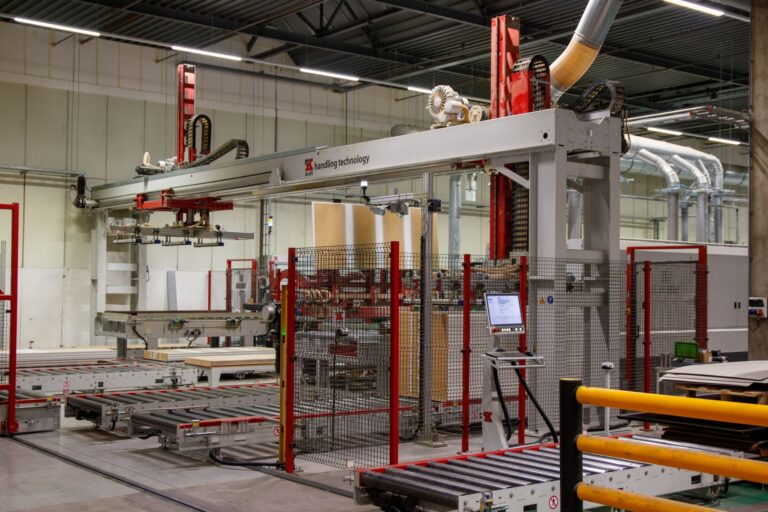
The discussion at ICR underscored a accelerating trend: technology is no longer just about enhancing service; it’s about strategically displacing labor. Drive-thru AI, order kiosks, robotic fryers, automated beverage dispensers – these aren’t future concepts. They’re becoming immediate, necessary investments. The upfront capital expenditure is significant, but the long-term savings on a $20/hour labor line item are undeniable. This isn’t just for mega-chains; even smaller regional players will be forced to explore scalable tech solutions to remain competitive.
3. Supply Chain Optimization: Every Penny Counts
When labor costs consume a larger slice of the pie, savings must be found elsewhere. Supply chain managers will be under immense pressure to renegotiate supplier contracts, consolidate purchasing, and reduce food waste to unprecedented levels. A percentage point saved on ingredient costs or logistics can translate directly to a critical boost in a shrinking profit margin. It’s a return to fundamentals: lean inventory, just-in-time delivery where practical, and relentless vigilance on commodity prices.
4. Cross-Training & Productivity: Maximizing Human Capital
The employees who remain will be expected to be highly skilled, highly flexible, and hyper-efficient. Cross-training isn’t a perk; it’s a necessity. A crew member must be able to seamlessly transition from taking orders to prepping food, to maintaining cleanliness, maximizing their output for every expensive hour on the clock. Investment in training, while seemingly counter-intuitive when cutting costs, becomes paramount to ensure every dollar spent on wages delivers maximum productivity.
The Silver Lining? (Liam’s Skeptical Glance)
Proponents argue that higher wages lead to reduced turnover, improved morale, and better service quality. While theoretically true, the immediate focus for operators is on the brutal mathematics. Will the reduction in recruitment and training costs offset the sheer scale of the wage increase? Possibly, for some, if they can truly optimize every other aspect of their business. The hope is that a more stable, motivated workforce can deliver efficiencies and a superior customer experience that justifies the increased labor investment. But for many, this ‘silver lining’ feels a long way off, obscured by clouds of red ink.
The Road Ahead: A New Era for California QSR
California’s $20 fast food wage is more than a policy decision; it’s an economic accelerator for industry transformation. Those who can pivot swiftly, embrace technological solutions, and master the art of lean operations will not only survive but potentially thrive in this new environment. Those who cling to outdated models, unable or unwilling to make the hard choices, will find themselves struggling to keep pace, their businesses eroded by rising costs and an unforgiving market. This isn’t just a California problem; it’s a precursor of challenges likely to spread. The lessons learned in the Golden State will be critical for the entire national QSR landscape. It’s a brutal test, but one that will forge a more resilient, efficient, and technologically advanced industry – for those strong enough to weather the storm.