McCormick & Company (NYSE: MKC), a global leader in flavor, is increasingly commanding the attention of S&P 500 analysts and investors. Beyond its consistent market presence in consumer and industrial segments, the heightened interest stems from McCormick’s demonstrable resilience and strategic foresight in navigating a persistently volatile global economic and geopolitical landscape. As the food and beverage industry grapples with unprecedented supply chain disruptions, inflationary pressures, and evolving consumer demands, McCormick’s operational agility, sophisticated risk mitigation strategies, and robust technological integration offer a compelling case study for sustained performance and market leadership.
The company’s capacity to deliver consistent earnings and expand market share, even amidst the Red Sea transit disruptions, climate-induced agricultural volatility, and escalating energy costs, underscores a deep-seated operational philosophy rooted in proactive risk management. For Foodsatlas.com, the critical inquiry extends beyond mere financial metrics to the underlying infrastructure: how does McCormick orchestrate a global supply chain spanning over 150 countries, sourcing thousands of raw materials, to maintain a competitive edge and attract top-tier index consideration?
Mastering Geopolitical Supply Chain Flux
McCormick’s product portfolio, centered on spices, seasonings, and flavors, inherently exposes it to the caprices of global agriculture and intricate trade routes. The sourcing of exotic spices from diverse regions – vanilla from Madagascar, black pepper from Vietnam, turmeric from India – necessitates a supply chain built on hyper-diversification and geopolitical intelligence. Recent events, such as the Suez Canal blockages and the ongoing Houthi attacks in the Red Sea, have imposed significant pressures on global freight and commodity flows. McCormick’s strategic response has not been merely reactive; it exemplifies a pre-emptive hedging against such risks.
Their approach involves a multi-pronged sourcing strategy, often contracting with multiple suppliers in different geographic regions for the same raw material. This mitigates single-point-of-failure risks associated with localized crop failures, political instability, or trade policy shifts. Furthermore, McCormick leverages advanced analytics and proprietary data pipelines to model potential disruption scenarios, assessing their probable impact on lead times and costs. This granular visibility, often extending to farm-level intelligence, allows for rapid re-routing, alternative sourcing activation, and strategic inventory positioning, effectively insulating key production lines from macro-level shocks.
Logistics Innovation and Operational Hedging
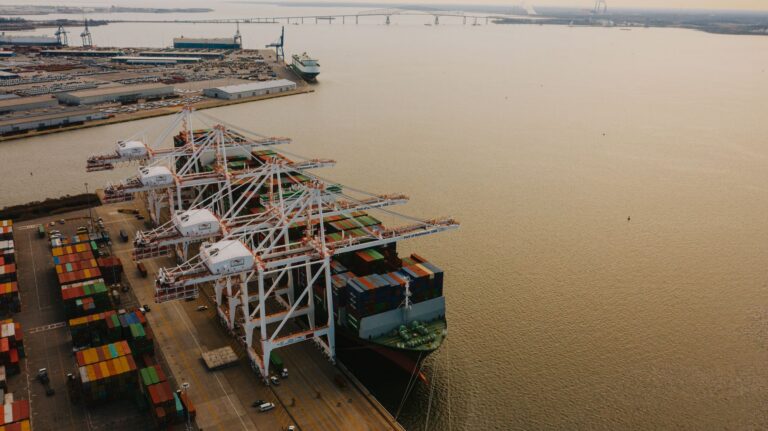
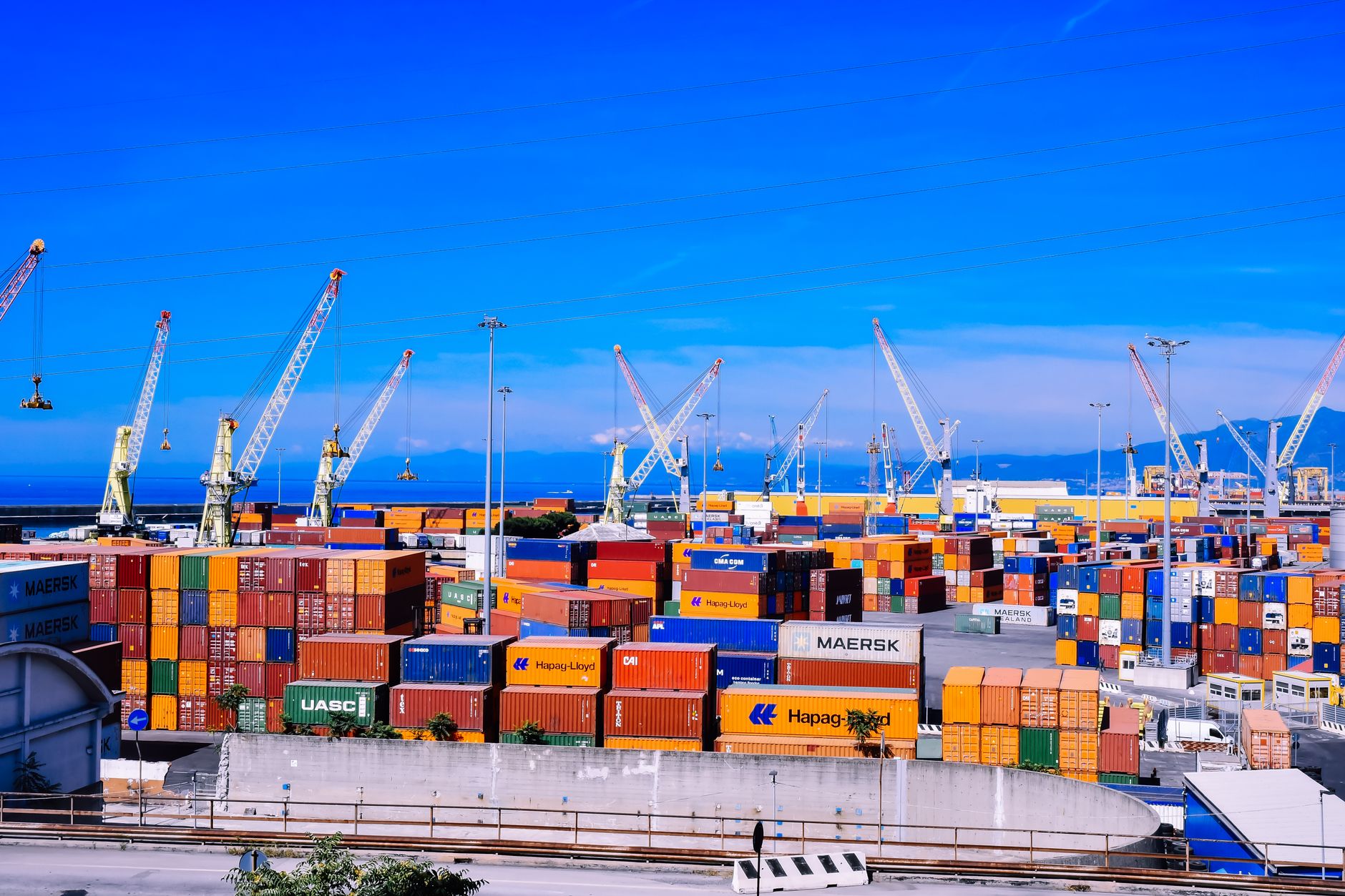
The movement of raw materials and finished goods across continents represents a significant cost and risk factor. McCormick’s logistics network is characterized by its strategic deployment of regional distribution centers and manufacturing facilities, minimizing reliance on extended cross-continental freight lanes for critical intermediate products. This localized production capability, where feasible, shortens lead times, reduces carbon footprint, and acts as a natural hedge against intercontinental shipping volatility. For instance, manufacturing seasoning blends closer to consumer markets reduces the need to transport bulk finished products globally.
Beyond physical infrastructure, McCormick employs sophisticated freight management systems that integrate real-time tracking, predictive analytics for port congestion, and dynamic carrier selection. This allows for optimized routing and mode selection, such as shifting from ocean to rail or air for time-sensitive deliveries, albeit at a higher cost, which is weighed against potential stock-outs and customer dissatisfaction. Operational hedging manifests in flexible production schedules and inventory buffers for high-demand, high-volatility SKUs, ensuring product availability even when primary logistics channels face strain.
Technology Integration: The Data-Driven Edge
At the heart of McCormick’s operational prowess lies a deep commitment to technology integration and data-driven decision-making. The company has invested significantly in enterprise resource planning (ERP) systems, supply chain management (SCM) platforms, and advanced analytics tools that create robust data pipelines across its global operations. These systems aggregate vast amounts of data – from weather patterns affecting crop yields and commodity prices to consumer demand signals and logistics network performance.
Artificial intelligence (AI) and machine learning (ML) algorithms are increasingly deployed for enhanced demand forecasting, predicting consumer trends with greater accuracy, and optimizing inventory levels across the network. This algorithmic optimization reduces waste, improves freshness, and frees up capital that would otherwise be tied up in excess inventory. Furthermore, digital platforms facilitate transparent communication and collaboration with suppliers, enabling real-time information sharing regarding crop health, harvest schedules, and quality control, crucial for maintaining product integrity and safety standards.
Global Hedging Strategies: Mitigating Financial Exposure
The financial stability that makes McCormick attractive to S&P 500 consideration is inextricably linked to its astute global hedging strategies. Given its reliance on agricultural commodities, the company faces inherent exposure to price volatility for key inputs like spices, herbs, and packaging materials, as well as currency fluctuations for international transactions. McCormick actively manages these risks through a combination of financial instruments and strategic procurement practices.
Long-term contracts with key suppliers, often with negotiated price ceilings or collars, provide a baseline of cost predictability. For commodities traded on futures markets, McCormick utilizes derivatives to lock in prices, thus insulating margins from adverse market movements. Similarly, currency hedging programs are implemented to mitigate the impact of exchange rate fluctuations on international revenues and costs. These strategies are not static; they are dynamically adjusted based on market intelligence, geopolitical forecasts, and internal risk appetite, informed by the aforementioned data pipelines that provide a holistic view of financial and operational exposures. This proactive financial risk management contributes significantly to the consistent profitability and earnings predictability that index committees value.
Strategic Outlook and Investor Confidence
McCormick’s holistic approach to supply chain resilience, logistics innovation, technological empowerment, and financial hedging paints a clear picture of a company built for enduring success in a complex global economy. Its ability to navigate geopolitical headwinds and maintain operational integrity while delivering shareholder value provides a compelling narrative for S&P 500 inclusion and sustained investor confidence. For the broader food and beverage industry, McCormick’s strategies serve as a vital blueprint for building robust, agile, and future-proof supply chains in an era defined by perpetual change.