The recent retreat of AGT Food and Ingredients Inc. (TSX:AGTF) in the public market, characterized by acute margin uncertainty and post-IPO valuation pressures, serves as a sharp reminder of the intricate and often unforgiving dynamics governing the global pulse commodity market. This development, while specific to AGTF, echoes broader systemic vulnerabilities within the food and beverage industry’s supply chains, demanding a granular analysis of geopolitical risks, logistical fortitude, and the strategic integration of technology for effective hedging and operational resilience. As a leading player in the sourcing, processing, and distribution of lentils, peas, and chickpeas – critical components of the global protein matrix – AGT’s challenges underscore the imperative for a proactive, data-driven approach to navigating an increasingly volatile global food ecosystem.
The core of AGT’s current predicament lies in the confluence of volatile input costs, fluctuating commodity prices, and persistent logistical bottlenecks that collectively erode profit margins. Pulse commodities, heavily influenced by regional harvests, climate patterns, and international trade policies, are inherently susceptible to price swings. For a company like AGT, operating at scale across multiple geographies, these fluctuations can dramatically impact procurement costs and subsequent selling prices. The current inflationary environment, coupled with elevated energy prices and labor costs, further exacerbates this pressure, squeezing the operational buffer that sustains profitability. Investors, particularly post-IPO, are naturally sensitive to such margin compression, leading to downward revaluation when the future earnings outlook appears clouded.
Geopolitical Crosscurrents and Supply Chain Resilience
The geopolitical landscape plays an increasingly dominant role in shaping the viability of global food supply chains. For AGT, whose primary sourcing regions include Canada, the United States, and Australia, trade agreements, export restrictions, and even diplomatic tensions can directly impact market access and pricing power. For instance, shifts in import policies by major consumers like India or China can create sudden gluts or shortages, sending ripples through global prices. Furthermore, geopolitical events in other commodity markets – say, oil and gas – indirectly affect freight costs and agricultural input expenses, creating a compounding effect on AGT’s cost structure. A robust geopolitical risk intelligence pipeline is no longer a luxury but a fundamental necessity for anticipating these shifts and strategically diversifying sourcing and sales channels to mitigate regional over-reliance. The ability to identify emerging markets or alternative suppliers based on real-time political and economic indicators provides a critical hedging mechanism against localized disruptions.
Climate change also stands as a significant, albeit often under-hedged, geopolitical risk. Droughts in key pulse-growing regions, or conversely, excessive rainfall impacting harvests, introduce extreme variability into global supply. AGT’s exposure to such climatic events necessitates not just traditional crop insurance, but also sophisticated predictive analytics that integrate meteorological data with historical yield patterns to inform procurement strategies years in advance. This foresight allows for pre-emptive contract negotiations or strategic inventory building, cushioning the blow of an unforeseen bad harvest in a primary region. The absence of such advanced data-driven foresight directly contributes to margin uncertainty.
Logistics: The Unseen Margin Eroder
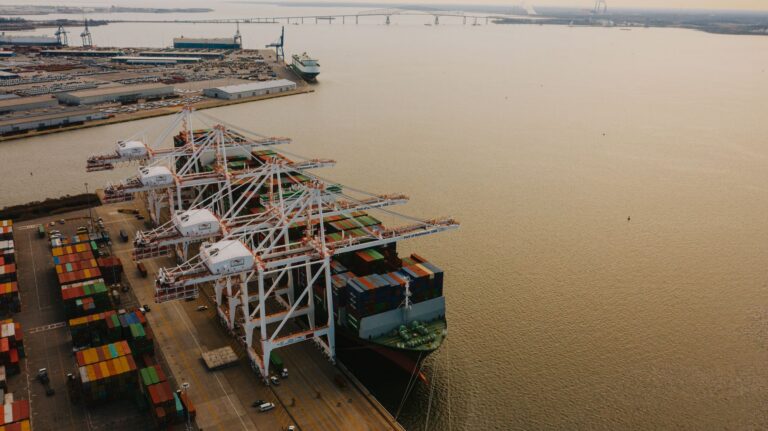
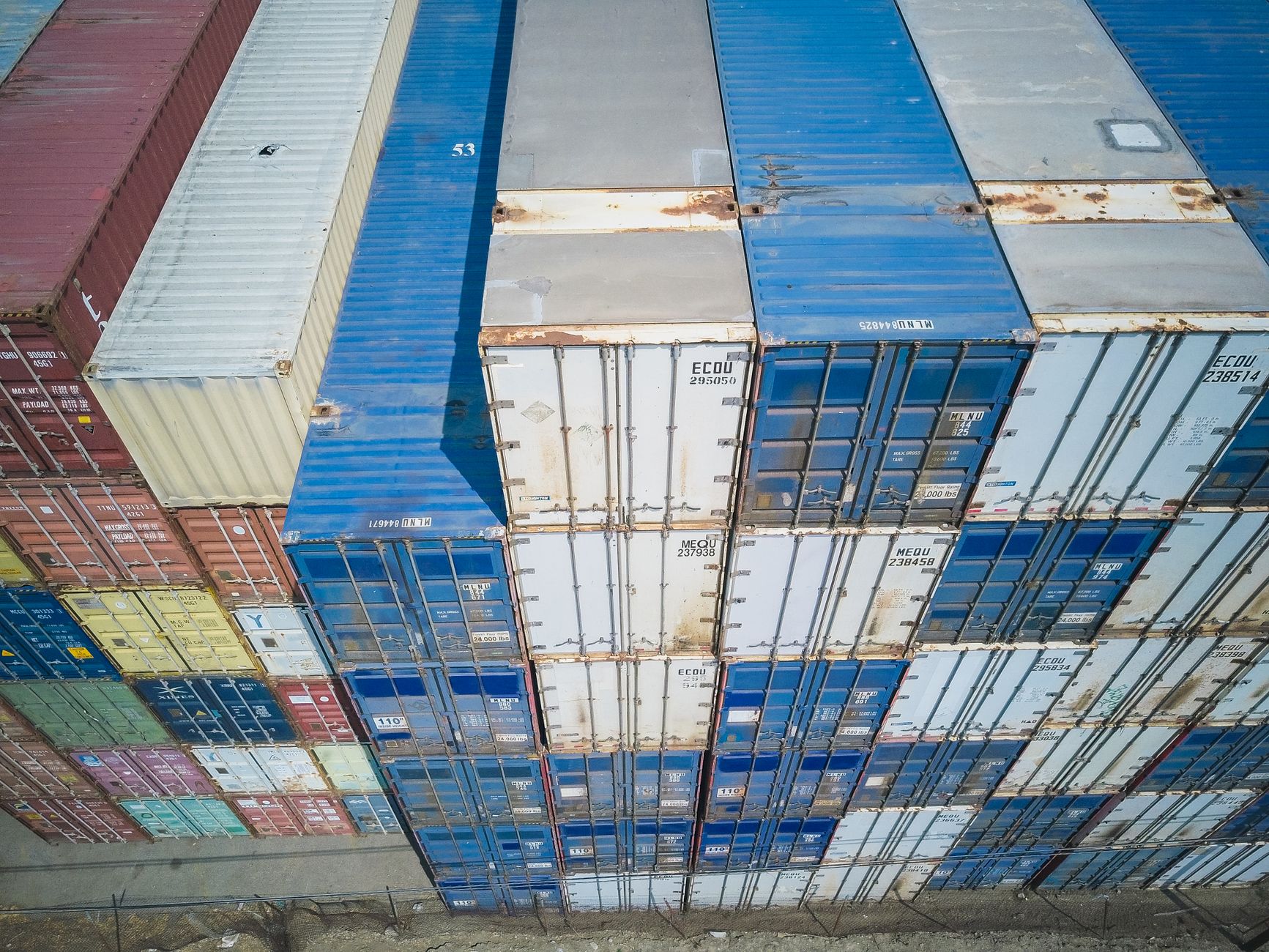
Beyond geopolitical influences on sourcing, the physical movement of pulse commodities presents another layer of significant risk. The global logistics infrastructure remains under immense strain, characterized by port congestion, container shortages, and rising freight rates. For a bulk commodity shipper like AGT, these factors translate directly into higher transport costs and extended lead times. Consider the impact of disruptions in critical maritime arteries, such as the Suez Canal or the Panama Canal, which can add weeks and millions in costs to shipments. These aren’t isolated incidents but recurring flashpoints in an increasingly brittle global network.
The F&B sector, including AGT, must invest in sophisticated logistics platforms that offer real-time visibility into global shipping lanes, port turnaround times, and predictive analytics for potential bottlenecks. Leveraging IoT sensors on cargo, AI-driven route optimization, and even blockchain for transparent tracking can significantly enhance operational efficiency and reduce transit risks. More importantly, it provides the data necessary for proactive communication with customers and for making agile decisions on alternative shipping routes or modes, thereby preserving customer relationships and minimizing penalty costs. The lack of granular, real-time logistics data, and the inability to quickly pivot, often means absorbing higher demurrage, detention, and expedite fees – all direct drains on gross margins.
The Imperative of Technology Integration: Data Pipelines and Hedging Strategy
The margin uncertainty plaguing AGT Food and Ingredients Inc. highlights a critical gap that can often be bridged by robust technology integration: advanced data pipelines and sophisticated global hedging strategies. In a commodity market defined by volatility, traditional hedging instruments alone are often insufficient. Companies like AGT need to move beyond historical data and embrace predictive analytics powered by machine learning and AI. This means integrating diverse data streams – real-time commodity exchange prices, geopolitical risk indices, weather patterns, shipping rates, currency exchange fluctuations, and even social media sentiment related to crop health or trade – into a unified analytical platform.
Such a platform enables the construction of multi-variable predictive models, allowing AGT to forecast commodity price movements and currency risks with greater accuracy. This superior insight empowers more precise and timely hedging decisions, whether through futures contracts, options, or forward agreements, thereby protecting against adverse price swings and currency devaluations. A well-constructed data pipeline can also optimize inventory management, reducing storage costs and minimizing spoilage, further bolstering margins. Furthermore, blockchain technology can enhance supply chain transparency and traceability, not only meeting evolving consumer demands for sustainability but also providing verifiable data that can be leveraged for better risk assessment and compliance, potentially unlocking new market access.
Ultimately, the post-IPO valuation pressure on AGT reflects not just current financial performance but also investor confidence in the company’s long-term resilience and adaptability. In an era where food security and supply chain stability are paramount, companies that demonstrably leverage technology to build resilient, transparent, and efficiently managed supply chains will command a premium. AGT’s journey underscores a broader industry truth: sustained success in the global food commodity market is increasingly predicated on moving beyond reactive measures to proactive, data-intensive strategies that anticipate and mitigate risk across the geopolitical, logistical, and financial spectrums.