California’s recent implementation of a $20 minimum wage for fast-food workers isn’t merely a wage adjustment; it’s a seismic shockwave ripping through the operational blueprints of every restaurant in the state. For years, the industry has operated on razor-thin margins, often subsidized by a labor force earning near the federal minimum. Now, that foundational premise has been brutally yanked out, forcing operators to confront an existential question: adapt with ruthless efficiency, or perish. This isn’t about altruism; it’s about economics, and the hidden impacts are far more complex than just a higher payroll number.
The Immediate Financial Hemorrhage: Margin Compression on Steroids
Let’s cut the pleasantries. A direct 25% increase or more in labor costs for many fast-food establishments – from $16 to $20 an hour – doesn’t just nick the P&L; it guts it. For a business where labor typically accounts for 25-35% of gross revenue, this surge directly translates to several percentage points shaved off an already tight 5-10% profit margin. This isn’t theoretical; it’s immediate, palpable pressure on the bottom line. Operators are staring down the barrel of drastically reduced profitability, with many smaller franchisees and independent players now questioning their viability.
The first, most knee-jerk reaction for many has been price increases. We’ve seen menu prices jump across the board, sometimes by as much as 10-15%. But this isn’t a magic bullet. Consumer price elasticity is a very real, very unforgiving beast. Push prices too high, and foot traffic dwindles. Customers, especially in the value-driven fast-food segment, have limits. This creates a dangerous tightrope walk: absorb the cost and bleed cash, or pass it on and risk alienating your customer base. Neither is a sustainable long-term strategy without deeper operational overhauls.
The Lean Operation Mandate: Innovate or Liquidate
This wage hike isn’t just nudging businesses towards efficiency; it’s kicking them into a full-blown lean transformation. For operators, the focus has shifted from “how can we serve more?” to “how can we serve the same, or more, with dramatically less human intervention?”
Automate, Automate, Automate
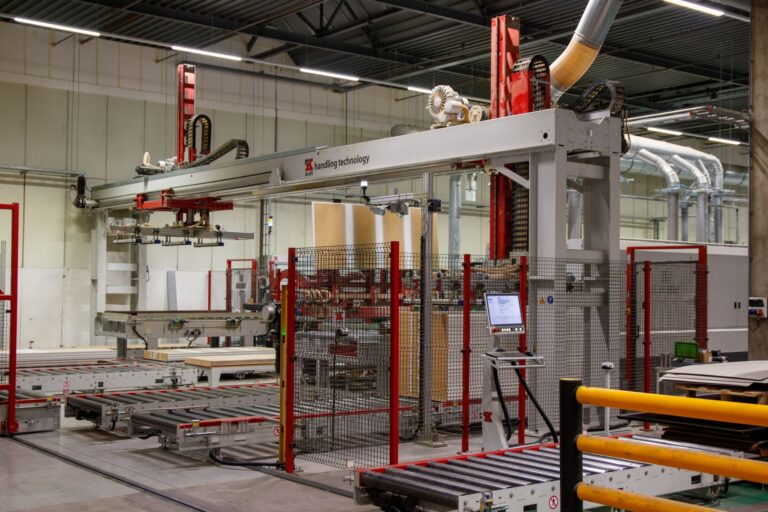
This is where the rubber meets the road. Kitchens that once relied on multiple human hands are now prime candidates for automation. Think beyond the self-ordering kiosk – those are already passé. We’re talking about robotic fryers that precisely manage oil temperature and cooking times, automated drink dispensers, AI-driven voice ordering systems that never call in sick, and even robotic kitchen assistants handling repetitive prep tasks. This isn’t sci-fi anymore; it’s an economic imperative. Every dollar saved on labor via automation directly defends your margin.
Workflow Re-engineering and Waste Elimination
The human element that remains must be optimized to an almost obsessive degree. We’re seeing a renewed, brutal focus on lean principles:
- Standardized Workflows: Eliminating every wasted motion in food prep, assembly, and service.
- Cross-Training: Ensuring every team member can perform multiple tasks, reducing idle time and increasing flexibility.
- Just-In-Time Inventory: Cutting waste and storage costs, ensuring only what’s needed is on hand.
- Menu Simplification: Reducing complexity in the kitchen, cutting down on ingredient SKUs and prep time.
This isn’t about working people harder; it’s about working smarter, ruthlessly eliminating non-value-added activities. Any operational slack is now a direct threat to survival.
The Unintended Consequences for Labor: A Bitter Pill
The stated goal of the $20 minimum wage was to improve the lives of fast-food workers. The reality is proving to be a bitter pill for many. While some workers are undoubtedly seeing fatter paychecks, many others are facing reduced hours, stagnant hiring, or outright job displacement.
Industry surveys and anecdotal evidence from the field confirm this: major chains and independent restaurants alike are responding by cutting shifts, slowing expansion plans, and accelerating automation initiatives. The irony is stark: a policy intended to uplift low-wage workers is inadvertently pushing the industry towards a future with fewer human jobs, especially for entry-level positions. The demand for human labor shifts from low-skill repetitive tasks to higher-skill roles needed to manage, maintain, and troubleshoot advanced automation – a significant skills gap for much of the existing workforce.
This creates a dichotomy: a smaller, more highly paid workforce that’s often tasked with managing sophisticated tech, and a larger pool of less-skilled workers struggling to find full-time employment. It’s a harsh truth that policymakers often overlook when legislating from an ivory tower.
Strategic Shifts and Market Consolidation: A Darwinian Shakeout
This isn’t just a short-term headache; it’s a catalyst for long-term strategic re-evaluation across the entire fast-food landscape.
The Franchisee Squeeze
Franchisees, often small business owners themselves, are caught in a brutal vise. They’re bound by corporate brand standards and supply chain agreements but bear the direct brunt of labor cost increases. Many are finding their business models untenable, leading to difficult decisions about selling, consolidating, or simply closing doors. This wage hike is a stress test that many will fail.
Consolidation and Survival of the Fittest
Expect a Darwinian shakeout. Well-capitalized, large corporate chains with deep pockets for automation R&D and scale advantages will be better positioned to adapt. Smaller chains and independent restaurants, lacking the capital for significant tech investments or the leverage to negotiate supply costs, will struggle disproportionately. This regulation could inadvertently accelerate market consolidation, creating an even less diverse culinary landscape.
The California Experiment: A Warning Shot?
California, often a bellwether for national trends, is effectively running a live experiment. What happens here – the operational solutions, the market shifts, the employment impacts – will be meticulously studied by other states and municipalities contemplating similar wage hikes. For operators outside California, this isn’t just news; it’s a warning shot across the bow. Prepare your operations now, or risk being caught flat-footed.
The $20 minimum wage in California is more than just a legislative act; it’s a brutal forcing function. It mandates a paradigm shift from labor-intensive models to hyper-efficient, tech-driven operations. For those in the restaurant business, especially in the fast-food sector, the message is clear and uncompromising: embrace radical lean transformation, invest in automation, and ruthlessly defend your margins. Those who cling to outdated operational models will find their businesses simply cannot withstand the economic pressure. The hidden impact is an irreversible evolution, demanding unprecedented operational discipline and strategic foresight from every single player in the game.