The global food and beverage industry’s accelerating pivot towards natural food dyes, driven by consumer preference and regulatory pressures, is revealing profound, system-wide challenges that extend far beyond mere formulation adjustments. New research underscores a critical reality: this transition is not just a shift in ingredients; it is a fundamental re-engineering of the global supply chain architecture, exposing companies to heightened geopolitical, logistical, and quality assurance risks. For C-suite executives and strategic planners, understanding these intricate vulnerabilities and deploying robust hedging mechanisms is paramount to maintaining market competitiveness and operational resilience.
At the macro level, the crux of the issue lies in the inherent biological nature of natural colorants versus the synthetic stability of their artificial counterparts. Synthetic dyes, largely derived from petroleum feedstocks, benefit from centralized, high-volume chemical production facilities with predictable inputs and stable supply lines. Natural dyes, by contrast, originate predominantly from agricultural sources—plants, fruits, vegetables, and even insects. This dependency on biological feedstock introduces a cascade of variables: seasonality, regional specificity, climate vulnerability, and susceptibility to pests and diseases. The supply chain for natural dyes thus becomes an intricate web entangled with agricultural cycles, meteorological patterns, and geopolitical stability, demanding a far more sophisticated risk management framework.
The Geopolitical & Climatic Nexus of Sourcing
The geographic concentration of key natural dye sources presents a significant geopolitical risk. For instance, cochineal, a vibrant red pigment, is primarily sourced from Peru and the Canary Islands. Annatto, yielding yellows and oranges, largely originates from South America. Turmeric, for its characteristic yellow, is predominantly cultivated in India. Beta-carotene, a ubiquitous orange, often comes from specific regions with ideal growing conditions for carrots or other precursors. This regional concentration creates de facto monopolies, rendering the global supply chain vulnerable to localized disruptions. A single political event, a trade dispute, or an extreme weather phenomenon in a key growing region can trigger cascading supply shocks that ripple through the entire food ecosystem.
Climate change exacerbates this vulnerability. Erratic weather patterns—prolonged droughts, unseasonal floods, or sudden freezes—directly impact crop yields and quality, leading to price volatility and supply shortages. Companies must now factor in sophisticated climate modeling and agricultural forecasting into their procurement strategies, moving beyond simple historical demand analysis to embrace predictive analytics that account for long-term ecological shifts. The traditional ‘just-in-time’ inventory models, honed for predictable synthetic inputs, prove inadequate in this new environment, necessitating a strategic re-evaluation of buffer stocks and diversified geographical sourcing.
Logistical Complexity and Cold Chain Imperatives
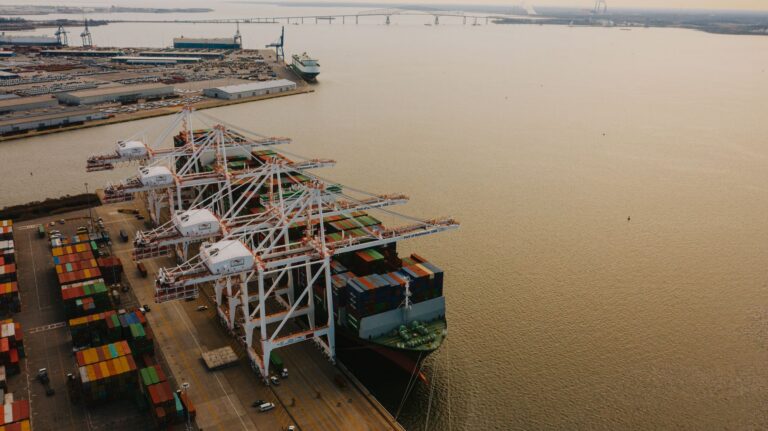
The transition to natural dyes also dramatically escalates logistical challenges. Many natural raw materials are perishable or semi-perishable, requiring specialized handling, rapid transport, and temperature-controlled environments—a robust cold chain infrastructure from farm gate to processing facility. This contrasts sharply with the ambient stability of synthetic dye precursors. The additional layers of complexity manifest in higher transportation costs, increased dwell times at ports and customs, and a greater propensity for spoilage or degradation during transit.
Moreover, the global distribution network, already strained by recent disruptions such as port congestions, labor shortages, and energy price fluctuations, faces intensified pressure. Transporting delicate agricultural products across continents, often requiring specialized containers and expedited shipping, adds significant operational overhead. The lack of standardized infrastructure in many source regions further compounds these challenges, creating bottlenecks that can derail production schedules and impact product launch timelines. Companies need to invest in real-time tracking, IoT sensors for environmental monitoring during transit, and strategically located processing hubs to mitigate these risks.
Quality Variability & Technological Integration
Unlike synthetic dyes which offer precise color uniformity, natural colorants exhibit inherent variability due to differences in soil, climate, harvest time, and extraction methods. Achieving consistent color profiles across batches and product lines becomes a significant quality assurance hurdle. This necessitates advanced analytical technologies, robust quality control protocols, and often, the blending of different natural sources to achieve desired hues and stability. The R&D investment required to understand and manage this variability is substantial, pushing companies to explore novel extraction methods and stabilization techniques.
This is where technological integration becomes indispensable for hedging against risk. Blockchain technology offers an immutable ledger for traceability, ensuring transparency from the farm to the consumer. This is crucial for verifying origin, quality metrics, and adherence to sustainable and ethical sourcing practices. Artificial intelligence and machine learning algorithms can revolutionize demand forecasting, optimizing inventory management by predicting crop yields, potential disruptions, and consumer trends with greater accuracy. They can also optimize logistics routes, minimize waste, and even assist in developing predictive quality models for raw ingredients. Furthermore, IoT sensors deployed throughout the supply chain can provide real-time data on temperature, humidity, and other environmental factors, critical for safeguarding the integrity of perishable natural inputs.
Strategic Implications and Hedging Strategies
For the food and beverage industry, the systemic challenges presented by the natural dye transition demand a proactive, multi-pronged strategic response:
- Diversified Sourcing & Geographic Hedging: Relying on a single-origin supply is no longer tenable. Companies must cultivate relationships with multiple suppliers across diverse geographical regions to spread risk. This requires substantial investment in supplier relationship management and due diligence.
- Vertical Integration & Strategic Partnerships: Exploring opportunities for partial or full vertical integration, or forming strategic alliances with key agricultural producers and processors, can offer greater control over raw material quality and supply stability.
- R&D and Innovation: Investment in proprietary research to develop new extraction methods, enhance color stability, or even explore biotechnological alternatives like fermentation-derived natural colorants (e.g., using microorganisms to produce pigments) can offer more controlled and scalable solutions, reducing reliance on volatile agricultural supply chains.
- Data-Driven Supply Chain Management: Leveraging advanced analytics, AI, and machine learning to create ‘digital twins’ of the supply chain, enabling scenario planning, predictive risk assessment, and optimized resource allocation.
- Strategic Inventory Management: Re-evaluating optimal inventory levels to create strategic buffers without incurring excessive holding costs, especially for high-risk inputs. This requires a delicate balance informed by sophisticated financial modeling.
- Collaborative Industry Initiatives: Participating in or initiating industry-wide collaborations to fund research into sustainable agricultural practices for dye crops, develop standardized quality metrics, and advocate for infrastructure improvements in source regions.
The shift to natural food dyes, while driven by powerful market forces, is not merely a cosmetic change. It represents a fundamental re-calibration of operational and strategic priorities for the global food and beverage sector. Companies that proactively integrate geopolitical insights, fortify their logistical frameworks with cutting-edge technology, and implement sophisticated hedging strategies will be best positioned to navigate this complex transition, securing both consumer trust and sustained profitability in a new era of food production.