In a decisive strategic recalibration, Cargill’s reported divestment from its metals trading unit signals a profound reorientation of its global agribusiness strategy. While seemingly disparate, this move is not merely an asset sale; it represents a calculated pivot to fortify the company’s core agricultural value chains, enhance supply chain resilience against mounting geopolitical and logistical risks, and accelerate technological integration across its vast operations. For the global food and beverage industry, this strategic shift by one of the world’s largest agricultural commodity traders portends significant implications for sourcing, market stability, and the future trajectory of food production.
Strategic Reallocation Amidst Geopolitical Volatility
Cargill’s decision to exit metals trading underscores a broader industry trend towards specialization and derisking in an increasingly volatile global landscape. The rationale extends beyond mere portfolio optimization; it reflects a deep understanding of the evolving risk profile inherent in global commodity flows. Metals, with their distinct market dynamics, geopolitical sensitivities, and susceptibility to industrial demand fluctuations, often operate on different cycles and risk matrices compared to agricultural commodities. By divesting, Cargill can reallocate substantial capital and managerial focus towards its foundational agricultural businesses – grains, oilseeds, animal nutrition, and protein – areas where its market dominance and expertise are unparalleled.
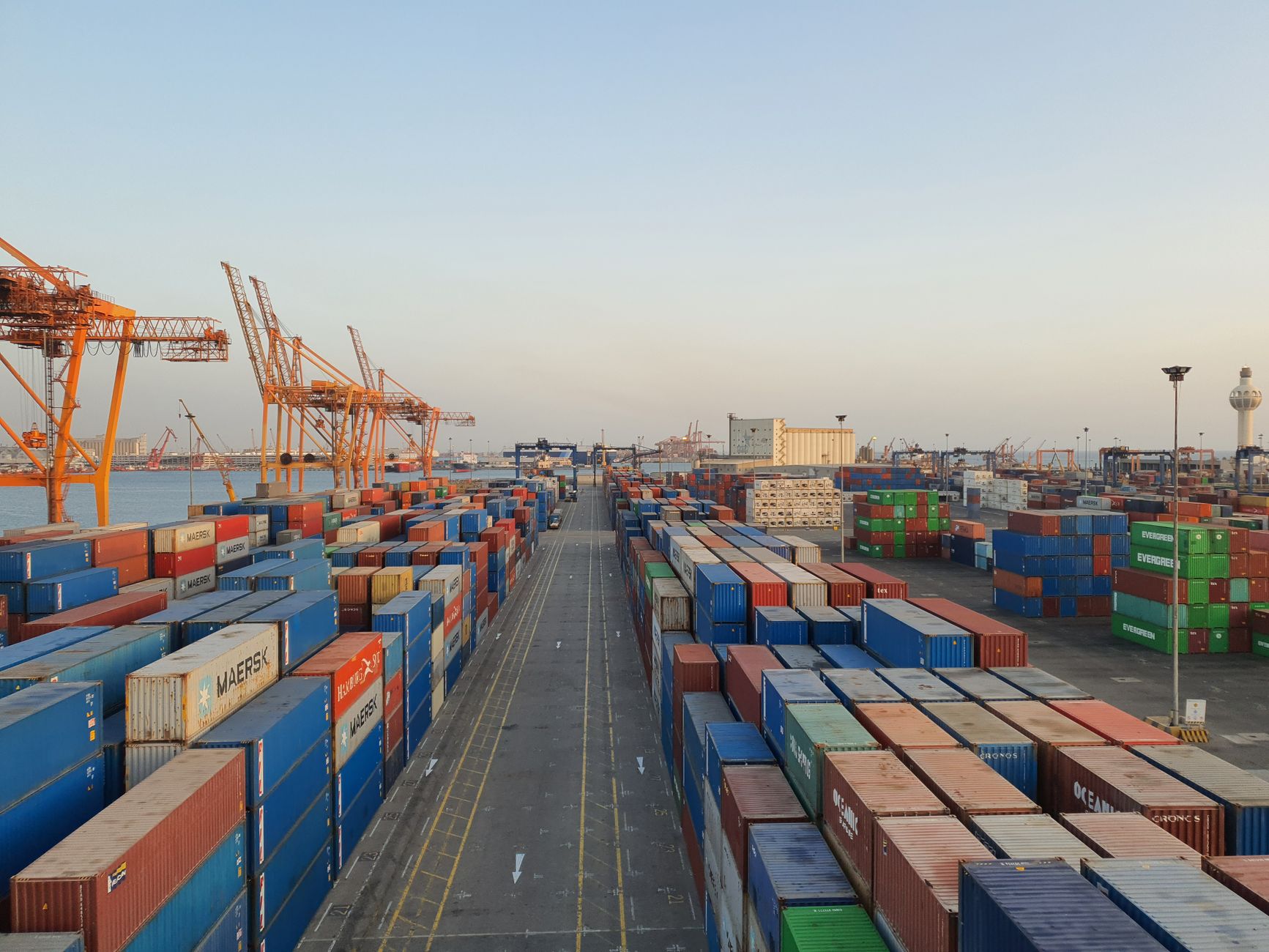
From a geopolitical supply chain perspective, this move allows Cargill to concentrate resources on mitigating disruptions within its primary mandate: feeding the world. As trade routes shift, climate patterns destabilize agricultural output, and geopolitical tensions (e.g., in the Black Sea region, South China Sea) threaten key chokepoints, the ability to rapidly adapt and ensure continuity of supply becomes paramount. A sharper focus on agriculture enables more agile responses to export bans, tariff adjustments, and infrastructure bottlenecks, thereby enhancing its global hedging strategies against commodity price volatility and supply shocks.
Fortifying Logistics and Operational Resilience
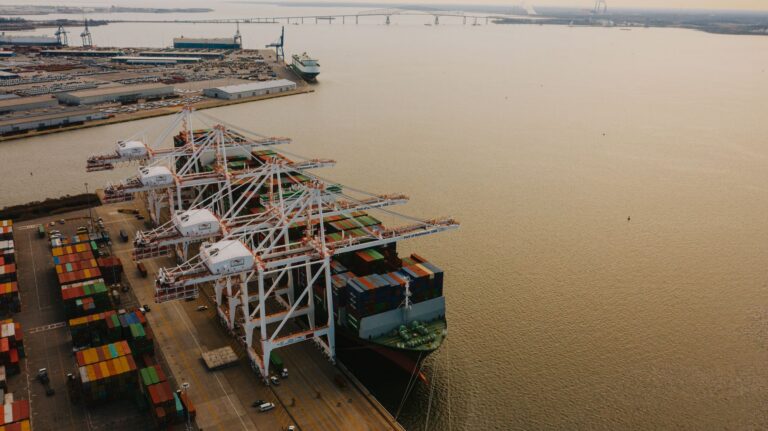
The strategic intent behind the metals exit is also deeply intertwined with enhancing logistics and operational resilience. Global agribusiness relies on an intricate web of transportation, storage, and processing infrastructure. Managing a separate, capital-intensive metals logistics operation can divert significant resources that could otherwise be deployed to strengthen agricultural supply chains. By simplifying its portfolio, Cargill can funnel investment into critical areas such as optimizing its global shipping fleet, upgrading port facilities, enhancing inland transportation networks, and investing in advanced inventory management systems. This singular focus on agricultural logistics inherently improves control over the end-to-end supply chain, reducing reliance on third-party services and mitigating transit risks.
In an era where supply chain robustness is a key competitive differentiator, Cargill’s move positions it to better navigate unforeseen disruptions, from labor strikes and infrastructure failures to unforeseen environmental events. The operational efficiencies gained by streamlining its focus can translate into more reliable deliveries, reduced lead times, and ultimately, a more stable cost structure for food and beverage manufacturers reliant on Cargill’s extensive ingredient portfolio. This enhanced control allows for better data capture, forming the bedrock for future operational improvements and predictive analytics in logistics.
The Imperative of Technology Integration and Data Prowess
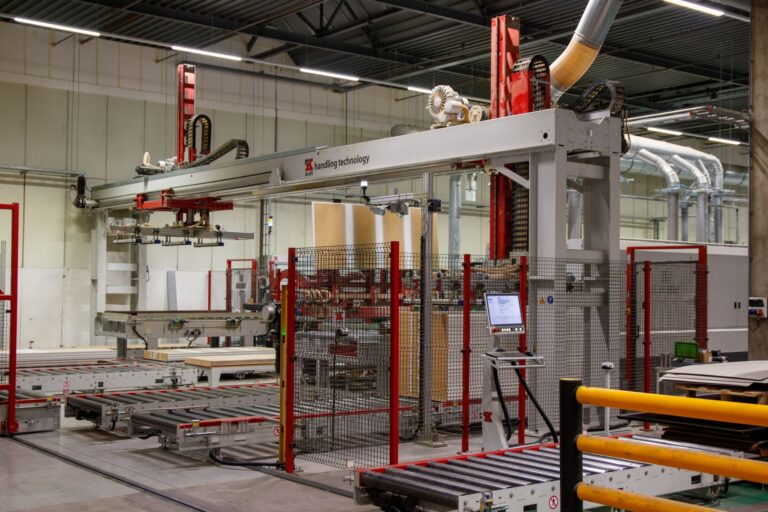
Perhaps the most significant long-term implication of this strategic pivot lies in accelerating technology integration. As David Chen has consistently highlighted, the future of agribusiness is inextricably linked to data-driven decision-making and advanced technological adoption. The capital and management attention freed from metals can now be aggressively deployed into agricultural technology (AgriTech) – from precision agriculture at the farm gate to AI-driven logistics optimization and blockchain-enabled traceability throughout the supply chain.
Cargill’s leadership has consistently emphasized its commitment to innovation. This divestment provides additional impetus to invest in cutting-edge solutions that can enhance yield forecasting, improve resource efficiency, reduce waste, and provide granular visibility into commodity origins and sustainability metrics. Developing robust data pipelines capable of ingesting real-time market intelligence, weather patterns, logistical movements, and processing efficiencies will be critical. This investment in advanced analytics, machine learning, and predictive modeling is not merely about incremental improvements; it’s about reshaping the very foundations of agricultural commodity trading and processing. For food and beverage companies, this translates into potential access to ingredients with unprecedented levels of traceability, quality assurance, and validated sustainability claims – attributes increasingly demanded by consumers and regulators alike.
Furthermore, an enhanced focus on technology allows for more sophisticated risk management and global hedging strategies. With better data and predictive models, Cargill can refine its positions in futures markets, manage currency exposures, and optimize its physical inventory across global warehouses with greater precision. This holistic approach to risk, underpinned by robust data analytics, provides a competitive edge in volatile markets.
Implications for the Food & Beverage Industry
For food and beverage manufacturers, Cargill’s renewed focus on its core agribusiness carries several critical implications:
- Enhanced Supply Reliability: A more focused and technologically advanced Cargill is likely to offer greater stability and predictability in ingredient supply, mitigating the risks associated with global supply chain disruptions.
- Sustained Quality and Traceability: Investments in AgriTech and data pipelines promise improved quality control and end-to-end traceability for agricultural raw materials, supporting corporate sustainability goals and consumer demand for transparent sourcing.
- Innovation in Ingredients: By concentrating resources, Cargill can accelerate R&D in areas like sustainable protein alternatives, specialty ingredients, and functional foods, providing F&B innovators with a richer palette of raw materials.
- Market Intelligence & Partnership Opportunities: A sharpened focus may lead to deeper partnerships with strategic customers, offering more tailored market insights and collaborative solutions for supply chain optimization.
The Road Ahead: A Leaner, More Agile Agribusiness Giant
Cargill’s exit from metals is a strategic declaration: its future is definitively anchored in agriculture, not merely as a trader, but as an integrated global solutions provider. This move is indicative of a broader industry shift where agility, technological prowess, and deep domain expertise in core sectors are becoming non-negotiable for navigating the complexities of the 21st-century global economy. By shedding non-core assets, Cargill is positioning itself to be a leaner, more agile, and technologically advanced agribusiness giant, better equipped to meet the burgeoning global demand for food while effectively managing the inherent risks of a dynamically evolving planet. The food and beverage industry should anticipate a more integrated, data-driven partner in Cargill, one poised to redefine the standards of efficiency, sustainability, and resilience across the agricultural supply chain.