Alright, let’s cut the fat and get straight to it. For restaurant operators staring down 2025, the honeymoon is long over. We’re not just talking about headwinds; we’re talking about a Category 5 hurricane hitting prime costs. The latest from FSR magazine confirms what every operator with an ounce of common sense already knows: labor and food costs are not just rising, they’re relentlessly chewing away at margins, forcing a brutal reckoning. This isn’t a call for creativity for creativity’s sake; it’s a stark demand for ruthless operational efficiency. Fail to adapt, and you’re simply another casualty.
The Labor Cost Grind: Every Dime Counts
The labor market isn’t just tight; it’s a chokehold. Minimum wage increases, the ongoing scramble for skilled back-of-house talent, and the general erosion of the service industry’s appeal mean that labor, for many, has become the single most volatile and uncontrollable expense. Operators are no longer just competing with the restaurant next door; they’re up against every industry vying for entry-level and skilled workers. This translates directly to increased hourly wages, elevated benefits costs, and the unavoidable expenses of high turnover.
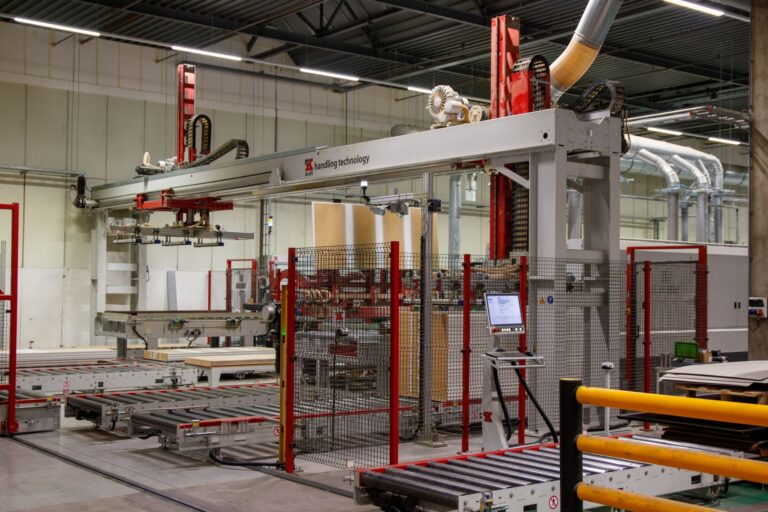
So, what’s the play? Sentimentality gets you nowhere. This is about lean operation, precision scheduling, and strategic automation. Look at your payroll like a hawk looks at prey. Are you truly optimizing every labor hour? Cross-training staff isn’t a nice-to-have; it’s a necessity for flexibility and efficiency during peak and off-peak times. Investing in automated solutions—whether it’s advanced fryers, prep equipment, or even robotic front-of-house support—is no longer a luxury; it’s a direct response to a shrinking, more expensive labor pool. The goal is simple: maximize output per labor unit. If a task can be done faster, more consistently, or cheaper by a machine, you need to consider it. The idea that a warm body is always better is a financial fantasy now.
The Food Cost Barrage: Navigating a Volatile Market
If labor is a chokehold, food costs are a relentless barrage. Supply chain fragility, geopolitical instability, and plain old inflation mean that the price of essential ingredients can swing wildly, often without warning. Operators are stuck between a rock and a hard place: absorb the costs and erode margins further, or pass them onto consumers and risk alienating your customer base. Neither is a palatable option, but one is a slower death than the other.
Survival here demands a surgical approach to procurement and menu engineering. Strategic sourcing is paramount. Are you diversifying your suppliers? Are you exploring local partnerships to mitigate long-haul supply chain risks? Are you signing smart contracts, or are you just accepting whatever price comes your way? Beyond procurement, your menu is your primary weapon. This means scrutinizing every dish’s actual prime cost, not just its perceived value. Multi-use ingredients are your best friend. A single ingredient that can be featured across several menu items drastically reduces waste and simplifies inventory management. Menu engineering isn’t just about what sells; it’s about what sells at a healthy margin. Consider dynamic pricing for certain items or times. And for God’s sake, if you’re not obsessively tracking and reducing food waste, you’re literally throwing money in the trash.
Operational Ingenuity: Weapons in the Margin War
The FSR report highlights ‘getting creative,’ but let’s be clear: this isn’t about novelty; it’s about survival. Operational ingenuity means leveraging every tool at your disposal to fight the margin war. Technology is no longer an optional upgrade; it’s foundational infrastructure. Advanced Point-of-Sale (POS) systems aren’t just for taking orders; they’re data goldmines. Use that data for predictive analytics to forecast demand, optimize staffing, and manage inventory with unprecedented accuracy. Kitchen Display Systems (KDS) streamline communication, reduce errors, and improve kitchen flow—direct savings on labor and food waste.
Beyond the tech, consider the very structure of your operation. Smaller physical footprints often mean lower rent and utility costs. Ghost kitchens and virtual brands, while not a panacea, offer avenues for diversifying revenue streams without the massive overhead of a traditional brick-and-mortar. Menu innovation isn’t just about new dishes; it’s about developing leaner, more focused menus that allow for faster execution and less inventory. Cross-utilization of ingredients, as mentioned, becomes crucial. Value propositions need to be re-evaluated: what truly resonates with your customer base while maintaining a healthy margin? This might mean fewer choices but higher quality and more efficient production.
The push for drive-thrus, grab-and-go options, and enhanced online ordering integration isn’t just about convenience for the customer; it’s about maximizing throughput with minimal labor. Each transaction handled efficiently through technology frees up staff to focus on critical tasks or reduces the total staff needed. The balance between customer experience and operational efficiency is delicate, but in 2025, efficiency must often take precedence, with technology bridging the experiential gap where possible.
The Bottom Line: Adapt or Perish
The state of restaurants in 2025 demands a brutal honesty and a willingness to dismantle outdated operational paradigms. The days of ‘just making it work’ are over. Every single line item on your P&L needs to be scrutinized, every process re-engineered, and every cent accounted for. Labor and food costs are not going to magically recede. The operators who thrive will be those who embrace brutal efficiency, leverage technology strategically, and innovate their operations from the ground up. This isn’t a game for the faint of heart; it’s a battle for survival, and only the leanest, smartest operations will win.