The global food industry, long characterized by its inherent vulnerabilities to geopolitical shifts, climate volatility, and demand fluctuations, is undergoing a profound transformation. As highlighted by recent analyses, including a pertinent piece in Fortune, Artificial Intelligence (AI) is rapidly becoming the indispensable architect of a new paradigm: a more resilient, efficient, and strategically hedged food supply chain. This is not merely an incremental technological upgrade; it represents a fundamental re-engineering of the operational and strategic calculus for every entity from farm to fork.
For Foodsatlas.com, our lens consistently focuses on the intricate interplay of geopolitical dynamics, logistics risk, and the strategic integration of technology. From this vantage point, AI’s ascendancy in the food sector is an imperative, directly addressing the sector’s unique and often perilous challenges. Companies failing to integrate AI-driven insights into their data pipelines and global hedging strategies risk not just competitive disadvantage, but existential vulnerability in an increasingly volatile world.
The Inherent Fragility of the Food Supply Chain
Unlike many other industries, the food supply chain is burdened by a confluence of unique complexities. Perishability necessitates precise timing and cold chain integrity, where even minor delays can lead to catastrophic waste. Seasonality and geographic concentration of production expose regions and global markets to localized climate events, disease outbreaks, and trade policy disruptions. Geopolitical tensions, exemplified by recent conflicts and protectionist policies, can instantly sever crucial trade routes, block commodity exports, or impose crippling tariffs, leading to price spikes and shortages.
Furthermore, the chain’s fragmented nature, spanning millions of small producers to multinational conglomerates, creates vast data silos and information asymmetry. Regulatory complexities, often varying by jurisdiction, add layers of compliance burden and audit risk. All these factors contribute to a system perpetually on the brink, demanding a level of foresight and adaptive capacity that traditional human-centric planning struggles to provide.
AI as the Architect of a Resilient Future
AI’s power lies in its capacity to process, analyze, and derive actionable insights from colossal, disparate datasets at speeds and scales impossible for human teams. In the context of the food supply chain, this translates into unprecedented capabilities:
Predictive Analytics for Demand and Supply Volatility: AI algorithms can integrate real-time consumer purchasing data, social media trends, macroeconomic indicators, weather patterns, and geopolitical news feeds to generate highly accurate demand forecasts. This extends to predicting crop yields, livestock health, and even commodity price fluctuations with a granularity that enables sophisticated global hedging strategies. Firms can proactively adjust production, inventory, and procurement, mitigating the financial impact of market swings.
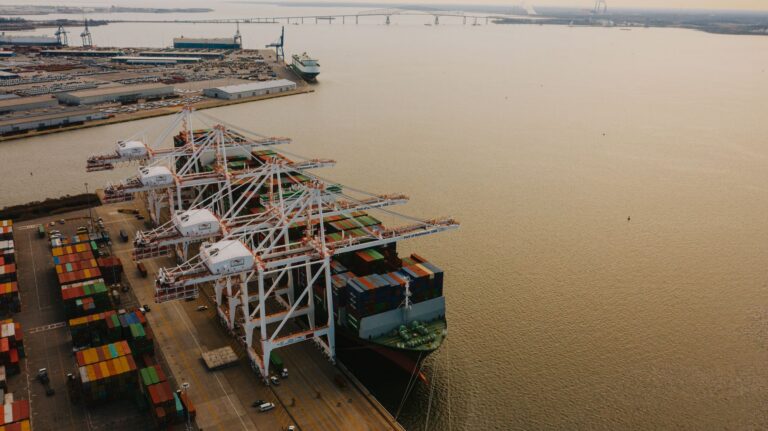
Optimized Logistics and Cold Chain Integrity: Machine learning algorithms can dynamically optimize routing, vehicle loading, and scheduling, minimizing fuel consumption and transit times. Crucially, AI monitors environmental conditions within the cold chain (temperature, humidity) using IoT sensors, predicting potential spoilage risks and enabling preventative action. This reduces waste, preserves product quality, and significantly lowers operational costs, directly impacting the bottom line.
Proactive Risk Mitigation and Geopolitical Foresight: This is where AI truly shines for geopolitical risk management. By analyzing satellite imagery, shipping manifests, customs data, global news sentiment, and political stability indices, AI systems can provide early warnings of impending supply disruptions. Whether it’s a developing drought, a port strike, a new trade barrier, or an escalating regional conflict, AI can alert decision-makers, allowing for proactive re-routing, alternative sourcing, or the activation of contingency plans, thereby minimizing exposure and safeguarding continuity.
Enhanced Traceability and Food Safety: AI, coupled with blockchain technology, can create an immutable, end-to-end digital record of every food product. From the farm’s soil composition to processing conditions and retail shelf life, this level of traceability enhances food safety by rapidly identifying and isolating contamination sources, reducing recall scope, and bolstering consumer trust—a critical differentiator in today’s market.
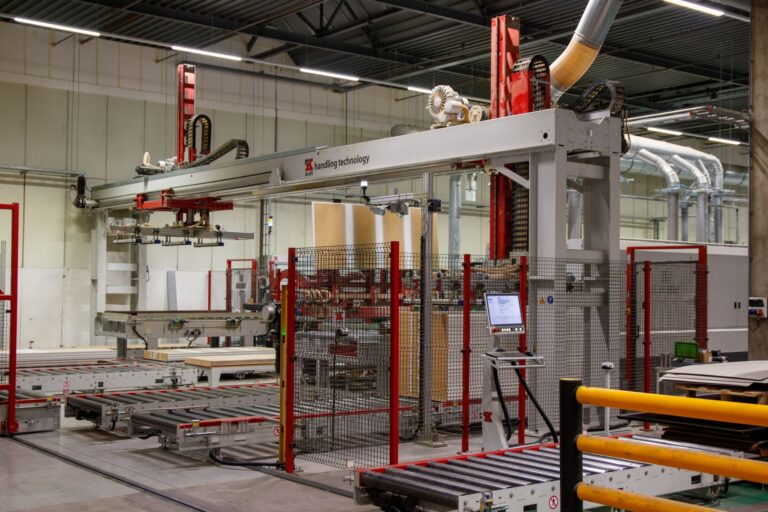
Automation and Labor Efficiency: AI-powered robotics and automation in warehouses, processing plants, and even vertical farms address chronic labor shortages, particularly in demanding environments. This not only improves efficiency and reduces operational costs but also enhances consistency and quality control.
Strategic Implications: Data Pipelines and Global Hedging
The successful implementation of AI in the food supply chain hinges on the integrity and sophistication of data pipelines. Raw data from sensors, ERP systems, external market feeds, and geopolitical intelligence platforms must be seamlessly ingested, cleaned, and structured for AI model training. Organizations must invest in robust, scalable data infrastructure that supports real-time analytics, transforming raw inputs into strategic assets.
Moreover, AI-driven insights directly inform and elevate global hedging strategies. Traditional hedging, often reliant on historical data and expert judgment, struggles to keep pace with rapid, multi-faceted disruptions. AI provides a dynamic, data-driven edge, allowing firms to:
1. Optimize futures and options contracts based on refined commodity price predictions.
2. Mitigate currency exposure by forecasting geopolitical impacts on exchange rates.
3. Strategically diversify sourcing geographies to hedge against region-specific risks.
4. Allocate capital more efficiently by quantifying and pricing various supply chain risks.
This macro perspective reveals that AI is not just about efficiency gains; it’s about building a fundamentally more resilient, agile, and strategically hedged enterprise in a world characterized by increasing uncertainty.
Challenges and the Path Forward
While the benefits are undeniable, the journey to AI integration is not without hurdles. Significant upfront investment in technology infrastructure and specialized talent is required. Data quality remains a critical bottleneck; AI models are only as good as the data they consume. Furthermore, ensuring ethical AI use, addressing data privacy concerns, and navigating the evolving regulatory landscape are crucial considerations for responsible deployment.
For senior leadership in the food and beverage industry, the message is clear: AI is no longer a futuristic concept but a present-day strategic imperative. The ability to harness AI for geopolitical risk analysis, optimize complex logistics, and implement data-driven hedging strategies will delineate the market leaders from the laggards. Those who invest early in building robust data pipelines and integrating AI across their operations will secure a decisive competitive advantage, ensuring not only profitability but also continuity and relevance in the challenging decades ahead.