In the intricate web of global food systems, animal feed often resides in the operational background, an assumed input rather than a strategic asset. Yet, as geopolitical tensions mount, climate patterns destabilize, and logistics infrastructure strains, the stability of animal feed supply chains has emerged as a critical barometer for global food security and a potent indicator of systemic risk within the broader agri-food complex. For stakeholders across the food and beverage industry, from commodity traders to integrated food manufacturers, understanding and strategically navigating the volatilities inherent in feed supply is no longer merely an operational concern but a paramount imperative for financial stability and market positioning.
The Geopolitical Fault Lines in Global Feed Supply
The notion that animal feed operates in a contained, insulated market is a dangerous fallacy. Major feed grains—corn, soybeans, and wheat (as feed wheat)—are global commodities, their supply and price inextricably linked to geopolitical events. The ongoing conflict in Ukraine, a pivotal Black Sea grain exporter, has vividly illustrated this interconnectedness. Disruptions to port operations, shipping lanes, and agricultural production in the region sent shockwaves through global feed markets, exacerbating inflationary pressures on livestock, dairy, and poultry sectors worldwide. Similarly, trade disputes, such as those between the United States and China, frequently weaponize agricultural exports, causing significant re-routing of soybean flows and creating price distortions that ripple down to the feed mill and ultimately the farm gate.
Export restrictions, whether driven by national food security concerns, protectionist policies, or resource nationalism, pose an immediate and severe threat. When a major exporting nation curtails shipments of a key feed ingredient, the cascading effect on alternative sourcing, increased freight costs, and heightened price volatility can swiftly erode profitability for feed compounders and animal producers. This demands a macro-level understanding of political risk analysis, evaluating the stability of key agricultural regions and the potential for policy shifts that could upend established supply corridors.
Climate Change: The Unpredictable Variable in Agronomic Yields
Beyond geopolitical machinations, the accelerating pace of climate change introduces an ever-present, less predictable, but equally impactful layer of risk to animal feed supply. Extreme weather events—prolonged droughts in South America impacting soybean and corn harvests, devastating floods in North America or Europe reducing wheat yields, or heatwaves stressing critical growing regions—directly translate into reduced output of feed ingredients. This volumetric scarcity drives up commodity prices, impacting the cost of feed for livestock operations globally. The recent multi-year drought in key agricultural zones has underscored the fragility of relying on traditional production hubs without diversified sourcing strategies or robust yield insurance mechanisms.
Furthermore, climate change isn’t just about acute events; it’s also about gradual shifts in growing seasons, water availability, and pest pressures. These longer-term trends necessitate significant investment in agronomic resilience, including developing drought-resistant crop varieties, optimizing irrigation systems, and embracing precision agriculture techniques that can mitigate yield losses and enhance the stability of raw material supply for the feed industry.
Logistics and Infrastructure: The Chokepoints of Distribution
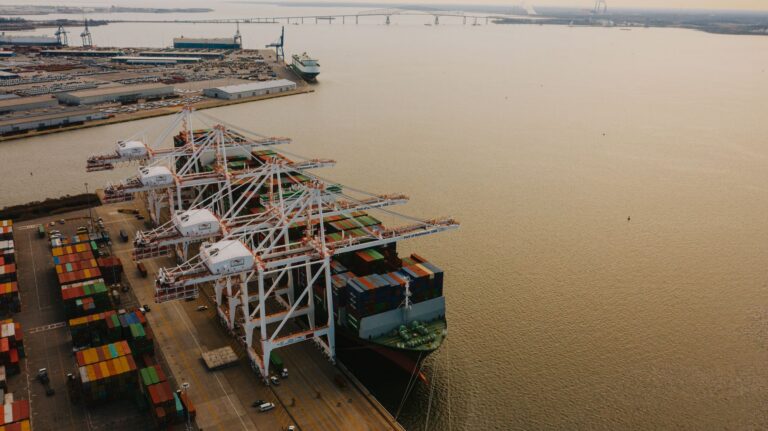
Even with ample production, the global journey of animal feed ingredients from farm to mill is fraught with logistical chokepoints. Port congestion, particularly in major exporting regions like the U.S. Gulf Coast or South America, can delay shipments and incur significant demurrage charges. Inland transportation networks—rail, barge, and truck—are susceptible to disruptions from adverse weather, labor shortages, and infrastructure aging. Low water levels on critical waterways, such as the Mississippi River, can severely restrict barge traffic, forcing costly and less efficient alternatives.
Energy prices also play a crucial role. The cost of fuel for ocean freight, rail, and trucking directly impacts the landed cost of feed ingredients. Volatility in crude oil and natural gas markets, driven by geopolitical events or supply-demand imbalances, translates directly into higher logistics expenditures, further squeezing margins for feed producers and their customers. A comprehensive supply chain strategy must therefore integrate a deep understanding of global logistics infrastructure, anticipated bottlenecks, and dynamic energy market forecasts.
Technology Integration: Fortifying the Supply Chain with Data Pipelines
In response to these multifaceted challenges, the integration of advanced technologies and robust data pipelines is no longer optional but foundational for building resilient animal feed supply chains.
1. Predictive Analytics and AI/ML: Leveraging satellite imagery, real-time weather data, historical yield patterns, and commodity market sentiment, AI/ML algorithms can provide highly accurate forecasts for crop yields, demand shifts, and potential price movements. This enables feed companies to proactively adjust procurement strategies, optimize inventory levels, and hedge against anticipated volatility.
2. Blockchain and Traceability: Ensuring the provenance and quality of feed ingredients is paramount, particularly for markets with stringent regulatory requirements or sustainability mandates. Blockchain technology offers immutable ledgers for tracking ingredients from farm to feed mill, enhancing transparency, mitigating fraud, and verifying sustainable sourcing practices (e.g., deforestation-free soy).
3. IoT and Sensor Technology: Real-time monitoring of storage conditions, transportation parameters (temperature, humidity), and equipment performance provides actionable insights, reducing spoilage, improving operational efficiency, and predicting maintenance needs across the supply chain.
4. Digital Marketplaces and E-procurement: Online platforms can streamline the purchasing of feed ingredients, connecting buyers with a wider array of suppliers, facilitating competitive bidding, and enhancing market visibility, particularly for specialized or regional ingredients.
Global Hedging Strategies: Mitigating Financial Exposure
For agribusinesses and food manufacturers operating in this volatile environment, sophisticated hedging strategies are indispensable. Price volatility for key feed ingredients like corn, soybeans, and soybean meal can be substantial, directly impacting profitability.
1. Derivatives Markets: Utilizing futures and options contracts on established commodity exchanges allows companies to lock in prices for future deliveries, providing critical certainty in input costs. This requires a deep understanding of market dynamics, basis risk, and the strategic timing of hedging activities. A well-executed hedging program can transform unpredictable cost fluctuations into manageable, forecastable expenses.
2. Diversification of Sourcing: Reducing reliance on a single geographic region or a limited number of suppliers is a foundational risk mitigation strategy. Cultivating relationships with producers in diverse climate zones and political landscapes can insulate against localized disruptions. This also includes exploring alternative feed ingredients or novel protein sources.
3. Strategic Inventory Management: Balancing the costs of carrying inventory with the imperative of maintaining buffer stocks is a delicate act. Strategic inventory building during periods of lower prices or anticipated supply tightness can absorb shocks, but requires careful cash flow management and storage considerations.
4. Long-term Contracts: Establishing long-term supply agreements with key producers or traders can provide price stability and guaranteed supply, albeit often at a premium. These contracts can be structured with mechanisms to adjust for market fluctuations while providing a baseline level of certainty.
Strategic Implications for the Food & Beverage Sector
The stability of animal feed supply directly translates into the financial viability of meat, dairy, poultry, and aquaculture producers. Unforeseen spikes in feed costs can erode margins, force production cuts, and ultimately lead to higher consumer prices, contributing to broader food inflation. For integrated food companies, managing feed costs is a primary lever for maintaining profitability and market competitiveness.
Strategic leaders in the food and beverage industry must therefore elevate animal feed from a procurement line item to a critical component of their overall enterprise risk management framework. This entails investing in dedicated teams with expertise in commodity trading, geopolitical analysis, and supply chain technology. It means forging stronger, more transparent partnerships throughout the value chain, from seed producers to livestock farmers. It also necessitates a proactive approach to sustainability, recognizing that environmental stewardship and resource efficiency are intrinsically linked to long-term feed security.
In conclusion, the animal feed supply chain is far more than a logistical challenge; it is a complex, dynamic system at the nexus of geopolitics, climate science, and global economics. For Foodsatlas.com’s discerning audience, the message is clear: mastering the intricacies of feed supply through sharpened geopolitical acumen, robust technological integration, and sophisticated hedging strategies is not merely a competitive advantage—it is an existential requirement for navigating the turbulent waters of the modern global food system and securing the future of food.