The European bulk food ingredients market, projected to chart a significant trajectory towards 2034, stands at a critical juncture. While market data forecasts signal growth, the underlying narrative is one of profound geopolitical reorientation, escalating logistics complexities, and an imperative for sophisticated technological integration. For global food & beverage (F&B) enterprises, navigating this evolving landscape demands more than incremental adjustments; it necessitates a wholesale recalibration of supply chain architectures, risk management frameworks, and data intelligence capabilities.
The Geopolitical Crucible: Reshaping Supply Architectures
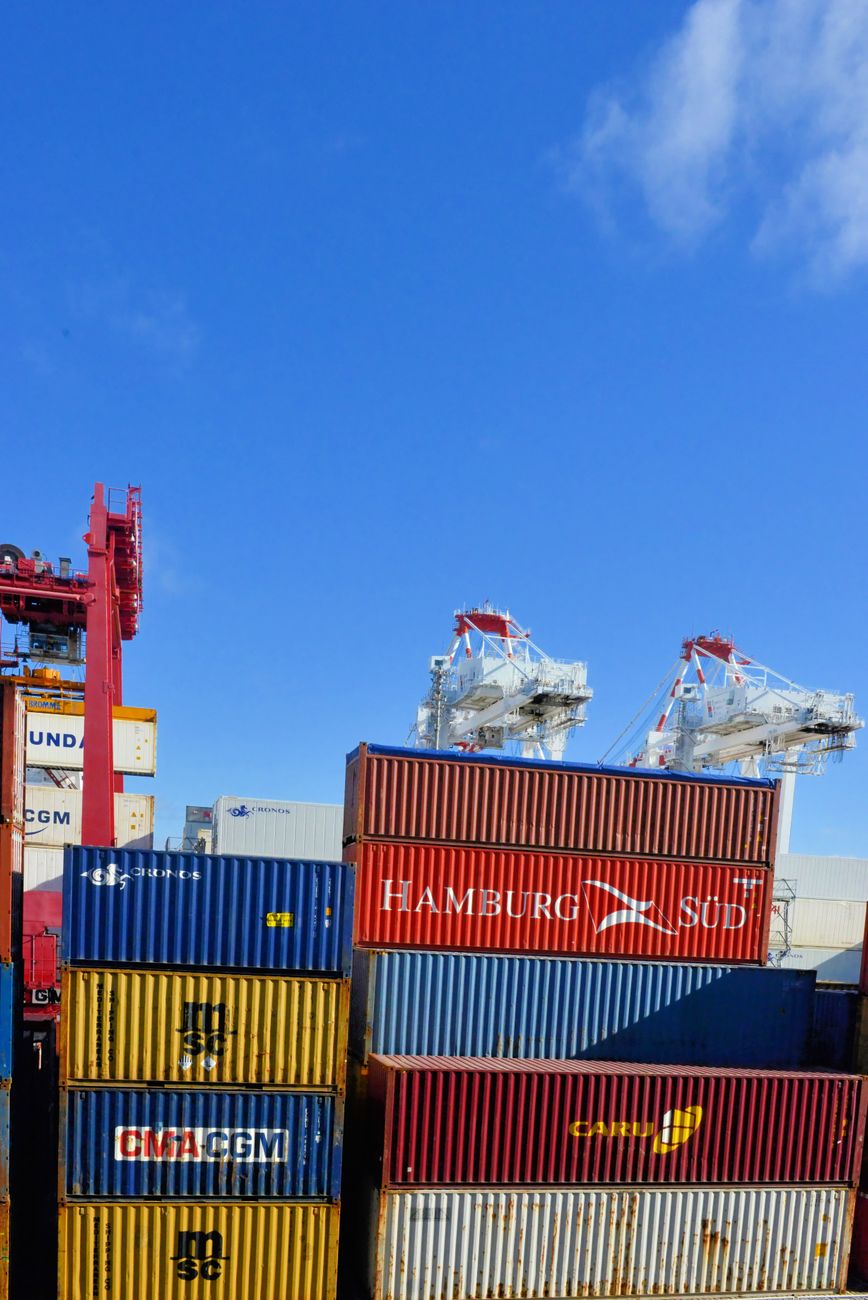
The notion of a static, predictable global supply chain for bulk food ingredients has been decisively shattered. Europe, heavily reliant on imports for a vast array of commodities—from grains and edible oils to specialty proteins and hydrocolloids—finds itself at the nexus of intensified geopolitical friction. The prolonged conflict in Ukraine continues to exert seismic pressure on grain and sunflower oil markets, compelling an urgent re-evaluation of Black Sea dependency and driving diversification efforts towards South America and other arable regions. Simultaneously, maritime chokepoints, exemplified by the Houthi disruptions in the Red Sea, underscore the fragility of established shipping lanes, imposing higher transit costs, extended lead times, and necessitating costly re-routing via the Cape of Good Hope.
Beyond active conflicts, the shifting sands of trade policy and regional blocs are equally potent. Post-Brexit Europe continues to grapple with new customs barriers and regulatory divergences, impacting cross-border ingredient flows within the continent. Furthermore, the European Union’s ambitious “Farm to Fork” strategy, while laudable in its sustainability objectives, introduces new layers of complexity for sourcing and traceability, pushing companies to scrutinize the environmental and social footprint of their entire supply base. This era mandates a strategic shift from pure just-in-time efficiency to a more resilient, “just-in-case” philosophy, incorporating diversified sourcing portfolios, strategic buffer inventories, and a renewed emphasis on regionalization or “friend-shoring” where political alignment can mitigate future disruptions.
Logistics in Flux: Navigating the Chokepoints of Tomorrow
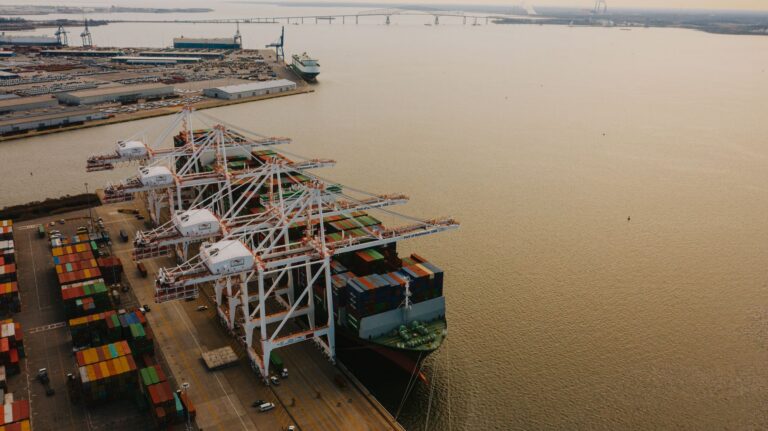
The physical movement of bulk ingredients across Europe and into its ports is increasingly fraught with a confluence of challenges. Energy price volatility, exacerbated by geopolitical events and climate policy, directly inflates transportation and warehousing costs. Labor shortages, particularly in trucking and port operations, persist as a structural impediment, creating bottlenecks and delays. Moreover, the accelerating impacts of climate change are no longer theoretical risks but present, operational realities. Extreme weather events—droughts impacting agricultural yields in key producing regions, floods disrupting inland waterways, or severe storms closing vital ports—introduce systemic unpredictability into ingredient availability and timely delivery.
F&B companies must evolve from merely managing logistics to engineering resilient logistics networks. This involves embracing multi-modal transportation strategies to reduce over-reliance on single modes, investing in advanced warehousing solutions that can handle diversified inventory, and developing real-time visibility platforms that can anticipate and react to disruptions. The strategic placement of distribution hubs, coupled with a nuanced understanding of regulatory landscapes and infrastructure capacities in different European regions, becomes paramount. Data pipelines that integrate weather forecasts, traffic analytics, and port congestion reports are no longer luxuries but essential tools for proactive risk mitigation and operational continuity.
Technological Nexus: Data, AI & Blockchain as Strategic Enablers
In this turbulent environment, technology transcends its traditional role as a mere efficiency enhancer; it emerges as the central nervous system for supply chain resilience and strategic advantage. The integration of advanced analytics and Artificial Intelligence (AI) is transforming demand forecasting, enabling F&B firms to predict ingredient needs with unprecedented accuracy amidst fluctuating consumer trends and market volatility. AI algorithms can analyze vast datasets—including commodity prices, geopolitical indicators, weather patterns, and social media sentiment—to provide predictive insights into potential supply disruptions or price fluctuations, enabling proactive procurement and hedging strategies.
Blockchain technology, often lauded for its potential, is now demonstrating tangible value in enhancing transparency and traceability across complex bulk ingredient supply chains. From farm to factory, blockchain can provide immutable records of origin, processing, and transportation, crucial for meeting increasingly stringent regulatory and consumer demands for sustainability and ethical sourcing. This not only builds trust but also significantly mitigates risks associated with food fraud and contamination. Furthermore, IoT sensors deployed across storage facilities and transport vehicles offer real-time data on temperature, humidity, and location, optimizing conditions for perishable bulk ingredients and reducing spoilage, thereby enhancing both quality and cost-efficiency. The ultimate goal is the creation of ‘digital twins’ of entire supply chains, allowing for simulation of various disruption scenarios and optimization of response strategies.
Hedging Volatility: Financial Acumen in a Turbulent Market
The confluence of geopolitical instability, logistics challenges, and climatic events has ushered in an era of heightened price volatility for bulk food ingredients. Effective financial hedging strategies, underpinned by robust data pipelines, are indispensable for F&B companies seeking to stabilize input costs and protect profit margins. This extends beyond conventional procurement, demanding a sophisticated understanding of global commodity markets.
Companies must leverage futures and options contracts on exchanges like Euronext or ICE to lock in prices for key agricultural commodities, mitigating exposure to sudden market spikes. Furthermore, currency hedging strategies are vital to manage foreign exchange risk inherent in international sourcing. The implementation of advanced data analytics platforms that can model market scenarios, assess Value-at-Risk (VaR), and provide actionable intelligence on market movements is crucial. This integrated approach to risk management—combining physical supply chain resilience with astute financial instruments—allows businesses to buffer against external shocks, maintain competitive pricing, and ensure long-term operational viability in a market characterized by perpetual flux.
Strategic Imperatives for 2034
The European bulk food ingredients market by 2034 will be defined by its resilience, adaptability, and technological sophistication. F&B industry leaders are tasked with moving beyond reactive measures to proactive, data-driven strategic planning. This involves fostering deep collaborations with suppliers, investing significantly in digital transformation across the supply chain, and cultivating an organizational culture that embraces continuous risk assessment and agile decision-making. The companies that successfully integrate geopolitical intelligence with advanced logistics solutions, robust technological platforms, and astute financial hedging will not only navigate the challenges but emerge as definitive leaders in Europe’s evolving food landscape.