The latest Global Market Analysis Report by Fact.MR, projecting the Europe Cottonseed Oil Industry’s trajectory to 2035, offers a valuable quantitative snapshot of an expanding market. However, for leading B2B stakeholders in the food & beverage sector, these growth figures are merely the surface. A deeper incision into the underlying dynamics reveals a complex web of geopolitical supply chain vulnerabilities, escalating logistics risks, and an urgent imperative for sophisticated technological integration and robust global hedging strategies. The strategic challenge for European F&B is not simply to capitalize on market growth, but to secure consistent, cost-effective, and compliant access to this critical commodity amidst unprecedented global volatility.
Cottonseed oil, prized for its neutral flavor profile and versatility in applications ranging from frying oils to salad dressings and confectionery, presents a unique procurement puzzle for European manufacturers. Unlike more domestically abundant alternatives, Europe relies heavily on imports, primarily from major global producers such as the United States, India, China, Brazil, and Pakistan. This reliance inherently exposes the European supply chain to a multitude of external forces that demand acute foresight and agile response.
Geopolitical Realities: The Shifting Tectonics of Supply
The geopolitical landscape is arguably the single most impactful variable in the cottonseed oil equation. Trade policies, often subject to sudden shifts, can dramatically re-route commodity flows. For instance, evolving Sino-US trade relations, India’s intermittent export restrictions on agricultural goods to prioritize domestic consumption, or political instability in other key producing nations directly translate into price volatility and supply uncertainty for European buyers. A strategic procurement department must operate with a real-time geopolitical intelligence dashboard, assessing not just current trade agreements but also the political will and stability of major exporting nations. Diversification of sourcing, while a textbook strategy, becomes exceedingly complex when compounded by the need to balance quality, price, and regulatory compliance across diverse geopolitical blocs.
Furthermore, climate change impacts are increasingly manifesting as geopolitical risks. Droughts in key growing regions, unpredictable monsoon seasons, or even localized environmental disasters can decimate harvests, creating immediate supply shocks that ripple through global markets. A holistic risk assessment now extends beyond traditional market metrics to include sophisticated climate modeling and its implications for agricultural yields in specific geopolitical zones.
Logistics: The High-Stakes Game of Global Connectivity
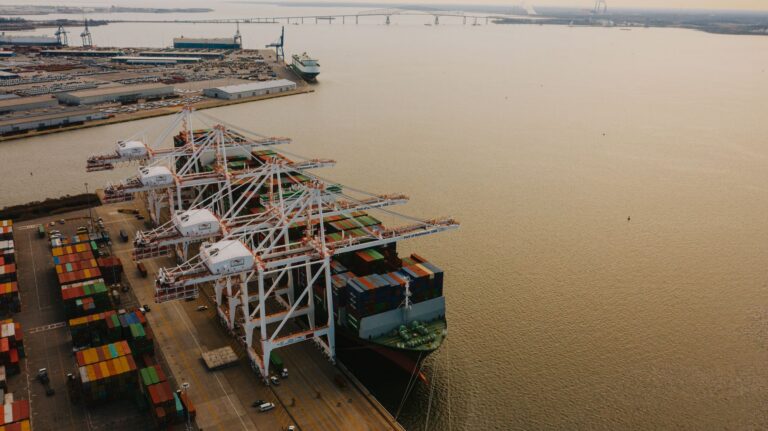
Beyond the point of origin, the journey of cottonseed oil to European shores is fraught with logistical complexities. The global shipping industry continues to grapple with episodic port congestion, fluctuating freight rates, and unforeseen disruptions in critical maritime choke points. Events like the Suez Canal blockage or persistent labor disputes at major ports underscore the fragility of just-in-time supply chains. Rising energy costs, driven by geopolitical tensions in oil-producing regions, directly inflate shipping expenses, adding significant cost pressure to landed cottonseed oil prices.
For European F&B firms, this necessitates a meticulous focus on logistics risk mitigation. This involves not only contracting with diverse shipping lines but also investing in real-time tracking solutions, optimizing inventory holding strategies to buffer against transit delays, and critically, understanding the intermodal challenges within Europe itself. The ‘last mile’ delivery, often overlooked in global analyses, can be a significant bottleneck if internal European transport infrastructure or warehousing capacities are strained.
The Technology Imperative: Data-Driven Resilience and Prediction
In this turbulent environment, technology is no longer a luxury but a fundamental operational imperative. European F&B companies must invest in advanced data pipelines and analytics platforms to transform raw market data into actionable strategic intelligence. Predictive analytics, powered by artificial intelligence and machine learning, can sift through vast datasets encompassing historical prices, climate forecasts, geopolitical events, shipping schedules, and even social media sentiment to anticipate price movements and potential supply disruptions with unprecedented accuracy.
Consider an AI-driven system that identifies emerging drought patterns in a major cottonseed-producing region, cross-references it with local political stability indicators, and flags potential export policy changes—all before conventional news cycles react. This foresight enables proactive hedging, adjusted procurement schedules, and exploration of alternative sourcing well in advance. Furthermore, blockchain technology offers unparalleled traceability, ensuring that ethical sourcing standards are met and providing immutable records of origin, quality, and transit. This not only mitigates reputational risk but also aids in navigating increasingly stringent EU import regulations.
Seamless integration of these digital tools across procurement, logistics, and finance departments is crucial. A fragmented data landscape will yield fragmented insights. The goal is a unified operational picture, allowing for dynamic scenario planning and rapid adaptation to unforeseen market shifts.
Global Hedging Strategies: Mitigating Financial Exposure
The macroscopic view of cottonseed oil supply chains must culminate in robust financial hedging strategies. Given the inherent volatility of agricultural commodities and currency fluctuations, F&B entities cannot afford to be passive price-takers. Leveraging global commodity futures and options markets allows for the strategic locking-in of prices or the establishment of price collars, providing a vital layer of protection against adverse market movements.
Beyond commodity-specific instruments, currency hedging is equally critical. Sourcing from multiple international markets exposes companies to exchange rate fluctuations that can erode profit margins. Sophisticated treasury management, employing forward contracts, options, or other derivatives, becomes an integral part of managing the total landed cost of cottonseed oil. A data-driven approach, informed by the very same analytics predicting commodity prices, is essential to optimize these hedging activities, ensuring they are executed with precision and align with the company’s overall risk appetite.
Strategic Outlook for European F&B Stakeholders
The Fact.MR report paints a picture of growth for Europe’s cottonseed oil industry, but its realization hinges on an acute understanding and proactive management of external forces. For European F&B leaders, the challenge is clear: transition from reactive procurement to proactive, data-informed supply chain mastery. This demands continuous investment in geopolitical intelligence, cutting-edge logistics optimization, and sophisticated financial risk management. The future success of European players in the cottonseed oil market will be defined not just by their ability to source, but by their prowess in navigating a world where supply chains are increasingly weaponized, climate patterns are erratic, and technological prowess is the ultimate determinant of resilience and competitive advantage.