The food and beverage (F&B) industry is confronting a profound strategic challenge: persistent ingredient shortages are not merely impacting production schedules but are fundamentally hamstringing new product development. What was once viewed as a transient procurement hurdle has evolved into a systemic inhibitor of innovation, compelling F&B firms to re-evaluate their entire operational and R&D paradigms through the lens of geopolitical risk and technological integration.
This escalating scarcity, driven by a confluence of macroeconomic pressures, climate variability, and complex logistical choke points, carries significant financial and market implications. Companies unable to secure critical raw materials face delayed product launches, increased R&D costs, and a potential erosion of competitive advantage, ultimately stifling the very innovation pipeline necessary for market differentiation and growth. The ramifications extend beyond mere supply chain disruption; they represent a fundamental challenge to value creation in a consumer landscape increasingly demanding novelty and functional specialization.
Geopolitical Vectors and Climate Shocks Redefining Sourcing Agility
The root causes of current ingredient instability are deeply embedded in an increasingly volatile global landscape. Geopolitical tensions, from trade disputes to regional conflicts, are creating unpredictable export restrictions and tariffs, fragmenting traditional sourcing pathways. For instance, disruptions in key agricultural regions due to conflict or political instability can rapidly escalate the cost and availability of essential spices, oils, or grains, critical for a wide array of new product formulations.
Concurrently, climate change is no longer a peripheral concern but a direct and undeniable threat to agricultural output. Extreme weather events—droughts, floods, and unprecedented temperature swings—are devastating harvests for commodities ranging from cocoa and vanilla to specialty fruits and vegetables. These climate shocks introduce an inherent volatility that traditional risk management models are ill-equipped to handle, demanding a more dynamic and diversified approach to global sourcing. Companies reliant on single-origin, climate-sensitive ingredients find their innovation roadmaps perpetually vulnerable, prompting a shift towards more resilient, multi-origin strategies or even the exploration of novel, climate-agnostic alternatives.
Logistical Choke Points and Escalating Operational Costs
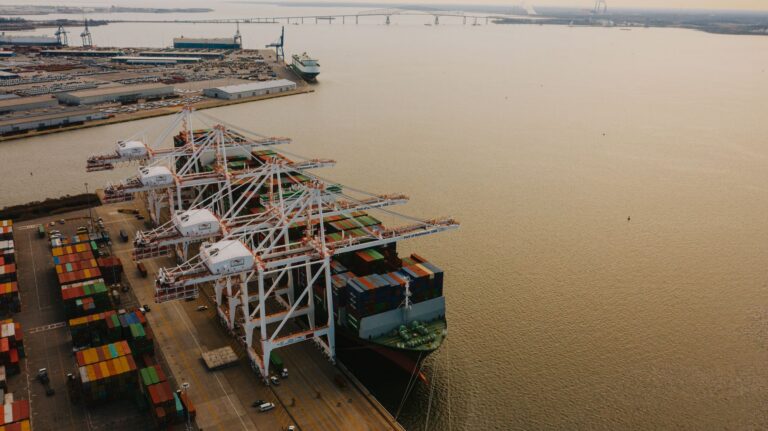
Beyond the farm gate, a strained global logistics infrastructure exacerbates ingredient shortages. Port congestion, labor shortages in trucking and warehousing, and persistent spikes in freight costs continue to present formidable barriers. The cost of transporting raw materials from origin to processing plants, and then to distribution centers, has become a significant variable, eating into R&D budgets and increasing the minimum viable price point for new products.
This logistical friction forces F&B innovators to contend with longer lead times, reduced flexibility, and a higher cost of experimentation. Ingredient samples, crucial for early-stage R&D, are harder and more expensive to obtain, delaying prototyping and sensory evaluation phases. Furthermore, the increased working capital tied up in longer inventory cycles, necessitated by unpredictable supply, can divert crucial investment away from innovation and into operational overhead, effectively creating a capital bottleneck for product development.
The Innovation Impasse: Delayed Launches and Reformulation Fatigue
The immediate consequence for new product development (NPD) is profound. Firms are reporting significant delays in product launches, with some projects being shelved indefinitely due to an inability to secure consistent, cost-effective supplies of crucial components. This not only means missed market opportunities but also a loss of competitive edge as nimble competitors or substitute products emerge.
R&D teams are increasingly being tasked with reformulation rather than pure innovation. Instead of developing groundbreaking products, valuable resources are diverted to finding alternative ingredients for existing lines, merely to maintain continuity. This ‘reformulation fatigue’ stifles creativity and prevents the allocation of talent and capital towards truly disruptive innovation. The scramble for alternatives often leads to compromises in sensory profiles, nutritional content, or ingredient transparency, potentially alienating consumers and eroding brand trust.
Strategic Imperatives: Data Pipelines, Global Hedging, and Tech Integration
Navigating this complex environment demands a strategic pivot, characterized by enhanced data pipeline integration, sophisticated global hedging strategies, and robust technological adoption. The era of reactive procurement is over; proactive, data-driven foresight is paramount.
Data Pipelines and Predictive Analytics: F&B companies must invest heavily in building real-time, end-to-end supply chain visibility through advanced data pipelines. Integrating ERP, CRM, IoT, and external geopolitical and climate data feeds allows for granular analysis of supplier risk, demand forecasting, and inventory optimization. Predictive analytics, leveraging AI and machine learning, can identify potential disruptions months in advance, enabling proactive mitigation rather than crisis management. This includes monitoring weather patterns in growing regions, analyzing shipping lane congestion, and tracking geopolitical sentiment indicators to anticipate shifts in ingredient availability and cost.
Global Hedging Strategies: Diversification of sourcing is no longer merely a best practice; it is an existential necessity. Companies must implement robust multi-origin sourcing strategies for critical ingredients, even if it entails higher initial costs. This global hedging approach minimizes reliance on any single geographical region or supplier, buffering against localized climate shocks or geopolitical disruptions. Furthermore, exploring long-term contracts, forward purchasing agreements, and even strategic investments in upstream agricultural partners can secure future supply and stabilize input costs. The development of ‘ingredient libraries’ of approved, functionally equivalent alternatives, complete with supply chain resilience profiles, is also crucial for agile product development.
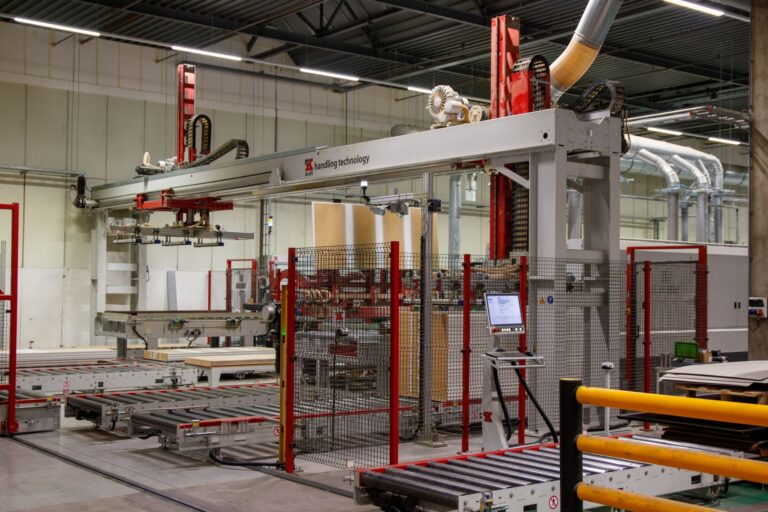
Technology Integration for Resilience: Blockchain technology offers unprecedented transparency and traceability, verifying ingredient origin and ensuring ethical sourcing, while simultaneously bolstering trust in a complex global web. IoT sensors can monitor storage conditions during transit, reducing waste and ensuring quality. Automation and robotics in processing and warehousing enhance efficiency and reduce labor dependencies, creating more resilient operational nodes. Furthermore, digital twins of supply chains can simulate various disruption scenarios, allowing companies to stress-test their resilience strategies virtually before real-world implementation.
The current ingredient shortage crisis is a stark reminder that the F&B industry operates within an interconnected global ecosystem, constantly shaped by geopolitical forces, environmental shifts, and technological advancements. Innovation, once a function primarily of market demand and R&D prowess, is now inextricably linked to supply chain resilience. F&B firms that strategically invest in robust data analytics, proactive global hedging, and integrated technological solutions will be the ones best positioned not only to weather this turbulence but to emerge as leaders in a reconfigured global food landscape, transforming vulnerability into a durable competitive advantage.