As global food systems navigate an era of unprecedented volatility, the strategic positioning of key agricultural players becomes a critical barometer for the broader food and beverage (F&B) industry. While retail investment analyses like The Motley Fool’s ‘7 Best Wheat Stocks for 2026’ focus on shareholder value, Foodsatlas.com provides a macro-level lens, translating these market signals into actionable intelligence for F&B enterprises facing complex supply chain and logistical challenges.
The underlying rationale behind identifying ‘best’ wheat-related stocks is not merely speculative; it reflects a confluence of capabilities that are increasingly vital for any entity operating within the global wheat value chain. These include superior operational resilience, astute risk management, sophisticated technological integration, and adaptive geopolitical strategies. For F&B manufacturers and distributors, understanding these drivers is paramount to securing stable, cost-effective, and compliant wheat supplies amidst a landscape defined by climatic shocks, geopolitical realignments, and inflationary pressures.
Navigating Geopolitical Supply Chain Fragilities
The geopolitical contours of wheat supply have been irrevocably redrawn in recent years. The conflict in the Black Sea region, a historical breadbasket for a significant portion of the world, continues to exert profound effects on global grain flows and price discovery. Beyond direct conflict, nationalistic policies, export restrictions, and retaliatory trade measures by major producing nations introduce systemic risks that transcend traditional market analysis. Companies positioned for long-term success in the wheat sector are those that have diversified their sourcing geographically, established robust relationships across multiple trade blocs, and invested in intelligence pipelines that offer early warning of potential supply disruptions.
For the F&B industry, this translates into an imperative to move beyond single-source reliance or region-centric procurement models. Strategic foresight demands rigorous scenario planning for disruptions stemming from political instability, trade disputes, or adverse weather events in critical growing regions. Building a resilient supply chain requires not just identifying alternative suppliers but understanding their logistical capabilities, political stability, and commitment to international trade norms. This holistic due diligence is essential to mitigate exposure to what are often low-probability but high-impact geopolitical flashpoints.
The Logistics Labyrinth: De-risking Global Grain Movements
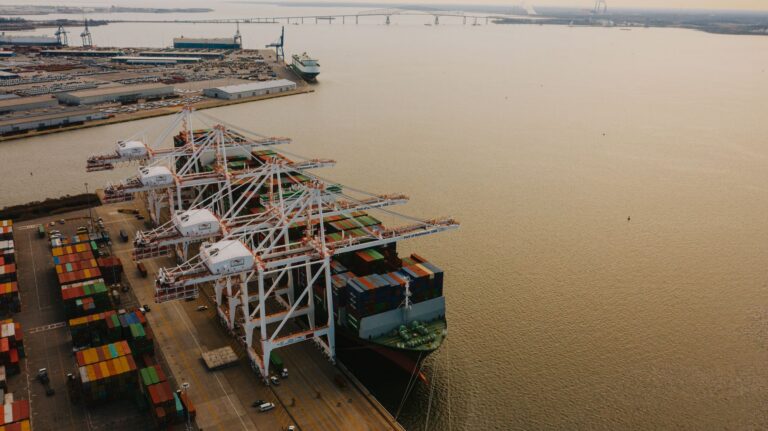
Logistical efficiency is the bedrock upon which global commodity trade rests, and wheat is no exception. The ability to move vast quantities of grain from farm to processor, often across continents, involves a complex choreography of maritime shipping, rail, and road networks. The past few years have highlighted significant vulnerabilities in this system, including port congestion, container shortages, soaring freight rates driven by energy price volatility, and labor disruptions. These bottlenecks not only inflate costs but also introduce significant lead-time uncertainties, impacting production schedules and inventory management for F&B firms.
The ‘best’ performing wheat-related entities, from a B2B perspective, are those that have demonstrated superior command over their logistics infrastructure. This includes leveraging proprietary or strategically partnered transportation assets, investing in multi-modal capabilities, and optimizing routing through advanced analytics. For F&B companies, evaluating potential suppliers now extends to scrutinizing their logistical resilience. Does a supplier have diversified shipping routes? What is their contingency plan for port closures or freight capacity constraints? Do they utilize real-time tracking and predictive logistics platforms? These operational considerations are as critical as the price per metric ton, directly influencing the total landed cost and reliability of supply.
Technological Integration: The Edge in a Data-Driven Market
The digital transformation is reshaping agricultural commodity markets, offering unprecedented opportunities for efficiency, transparency, and risk mitigation. Technologies such as precision agriculture, satellite imagery, and AI-driven predictive analytics are enhancing yield forecasting, enabling more accurate supply-side planning. On the supply chain front, blockchain technology is improving traceability, offering F&B companies greater visibility into the provenance and quality of their wheat, crucial for regulatory compliance and consumer trust.
Moreover, the integration of advanced data pipelines allows for real-time market intelligence, empowering stakeholders to react swiftly to price fluctuations, geopolitical announcements, and logistical chokepoints. Companies that are embracing these technological shifts are not only optimizing their own operations but are also better equipped to serve the sophisticated demands of the F&B industry. For procurement teams, this means prioritizing partners who are demonstrably investing in and leveraging these technologies, as they are likely to offer greater supply chain predictability and efficiency.
Global Hedging Strategies: Mitigating Price Volatility
Wheat is a commodity notorious for its price volatility, influenced by everything from weather patterns in distant growing regions to speculative trading on futures markets. For F&B businesses operating on tight margins, sudden spikes in wheat prices can severely impact profitability and necessitate difficult pricing decisions. The ‘best’ companies in the wheat sector, therefore, often distinguish themselves through sophisticated global hedging strategies.
These strategies typically involve a combination of futures and options contracts on commodity exchanges, long-term supply agreements with price collars, and currency hedging to manage foreign exchange risk. Such proactive financial risk management allows these entities to stabilize their cost base, providing a more predictable pricing environment for their F&B clients. For F&B procurement specialists, engaging with suppliers who demonstrate a robust and transparent hedging framework can provide a significant competitive advantage. It’s no longer sufficient to merely purchase at the spot price; a deeper understanding of a supplier’s risk mitigation profile, and potentially engaging in collaborative hedging structures, can foster greater supply chain stability and foster more strategic partnerships.
Strategic Imperatives for the F&B Industry
The insights derived from analyses of top-performing wheat-related companies underscore several strategic imperatives for the F&B sector: diversified sourcing beyond traditional hubs; investing in advanced data analytics for market intelligence and predictive modeling; prioritizing suppliers with demonstrably resilient logistics networks; and engaging in proactive, sophisticated hedging strategies. The era of passive commodity procurement is over. F&B companies must now adopt a more holistic, data-driven, and geopolitically aware approach to wheat supply management, transforming potential risks into opportunities for strategic advantage and sustained resilience.