The geopolitical tremors emanating from the Strait of Hormuz are poised to send seismic waves through the global food supply chain. A recent analysis by the Carnegie Endowment for International Peace highlights a critical disruption: vital fertiliser shipments are struggling to transit this strategic chokepoint. For the food and beverage industry, this is not merely a regional incident but an existential threat demanding urgent strategic re-evaluation and the immediate activation of robust hedging mechanisms.
The Strait of Hormuz, a narrow passage between the Persian Gulf and the Gulf of Oman, is globally recognized as a linchpin for oil transit, accounting for roughly 20% of the world’s petroleum. Less frequently emphasized, but no less critical, is its role in the global movement of essential agricultural inputs, particularly fertilisers. Fertiliser, predominantly nitrogen, phosphorus, and potassium (NPK), is the non-negotiable bedrock of modern agricultural productivity, directly correlating to crop yields for staples like wheat, maize, rice, and soybeans. Disruptions here cascade through every layer of the food production ecosystem, from farm gate to consumer plate.
The current impasse, driven by escalating regional tensions and maritime security concerns, threatens to constrict the flow of these critical nutrients from major producers in the Middle East and Asia to agricultural powerhouses across the globe. Countries like Saudi Arabia, Qatar, and Iran are significant producers of urea and ammonia, key nitrogen fertilisers, with their exports heavily reliant on Hormuz transit. Any significant curtailment will immediately impact planting decisions, reduce crop yields, and invariably trigger inflationary pressures across the food commodity complex.
Macroeconomic Headwinds and Supply Chain Vulnerabilities
For F&B corporations, the implications are severe and multifaceted. Operationally, a constricted fertiliser supply pipeline means higher input costs for agricultural producers, which will inevitably be passed down the value chain. This will manifest as increased raw material prices for grain, sugar, and protein, squeezing profit margins for processors, manufacturers, and retailers. Furthermore, the volatility introduced into commodity markets by such a fundamental supply shock undermines financial forecasting and stability, complicating long-term investment and pricing strategies.
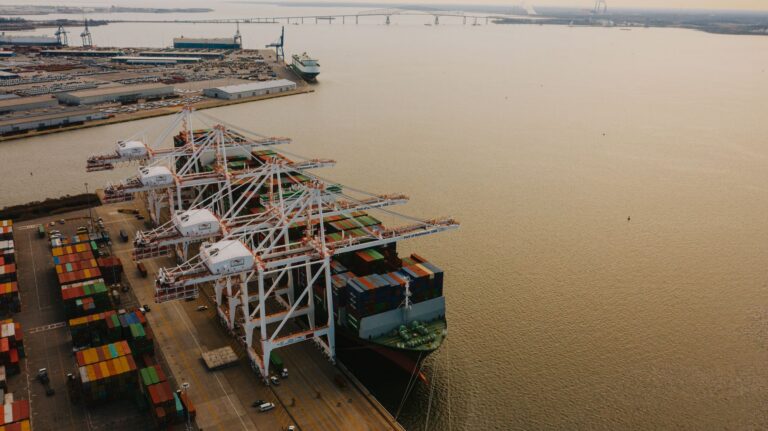
The global fertiliser supply chain, like many others, has optimized for efficiency over redundancy, often relying on just-in-time delivery models. This inherent vulnerability becomes starkly apparent when a single chokepoint like the Strait of Hormuz faces disruption. Our Foodsatlas.com data pipelines, aggregating real-time shipping manifests, port congestion metrics, and geopolitical risk indicators, show a concerning build-up of vessels awaiting transit or diverting to longer, more expensive routes. This logistical ossification adds significant lead times and freight costs, further exacerbating the price pressure on agricultural commodities.
Developing nations, often net importers of food and reliant on affordable agricultural inputs, stand to suffer the most. A fertiliser-induced food crisis could trigger widespread food insecurity, social unrest, and deepen existing humanitarian crises, creating a ripple effect of instability that impacts global trade and investment flows. Food and beverage multinationals with extensive operations in these regions must prepare for increased operational risks and potential market contractions.
Strategic Derisking: Data-Driven Hedging and Logistical Agility
In this volatile landscape, a proactive and data-centric approach to risk management is paramount. Companies must move beyond traditional risk assessments to integrate real-time geopolitical intelligence with sophisticated data analytics for predictive modeling. Leveraging AI-driven platforms to analyze shipping patterns, satellite imagery of port activity, and sentiment analysis of regional news can provide actionable intelligence to anticipate disruptions rather than merely react to them.
Global hedging strategies become indispensable. Financial instruments, such as futures and options contracts for critical agricultural commodities and fertiliser components, offer a vital buffer against price volatility. Companies should explore structured hedging programs that consider various geopolitical scenarios, adjusting their positions dynamically based on evolving risk profiles. Currency hedging will also be critical, as international trade in fertilisers and food staples is typically denominated in USD, making price fluctuations sensitive to exchange rate movements.
Logistical diversification, while challenging for a singular chokepoint like Hormuz, must be explored. This includes evaluating alternative shipping routes, even if they incur higher costs and longer transit times, and strengthening relationships with a broader array of suppliers globally. Investments in strategic stockpiling of critical inputs, where feasible and financially viable, can provide a short-to-medium term buffer against immediate supply shocks. Furthermore, F&B companies should intensify engagement with contract farmers to explore the adoption of precision agriculture technologies and sustainable nutrient management practices that optimize fertiliser use, thereby reducing overall dependence.
Technology Integration for Supply Chain Resilience
Beyond traditional hedging, the integration of advanced technologies offers novel pathways to resilience. Blockchain technology can enhance transparency across complex supply chains, verifying the origin and transit of fertiliser shipments, reducing fraud, and improving accountability. IoT sensors embedded in storage facilities and transportation networks can provide real-time data on inventory levels, transit conditions, and potential bottlenecks, allowing for rapid re-routing or demand reallocation.
Furthermore, digital twins of the supply chain, powered by advanced analytics, can simulate the impact of various disruption scenarios, enabling companies to test different response strategies virtually before implementing them in the physical world. This capability allows for more informed decision-making regarding inventory management, production scheduling, and distribution networks.
The Path Forward: Collective Action and Proactive Planning
The Strait of Hormuz situation serves as a stark reminder of the interconnectedness of geopolitical stability and global food security. For the food and beverage industry, the imperative is clear: develop robust, redundant, and technologically fortified supply chains. This requires not only internal strategic shifts but also proactive engagement with policymakers, international bodies, and logistics partners to advocate for de-escalation, ensure maritime security, and foster greater transparency in critical commodity flows.
The cost of inaction far outweighs the investment in resilience. As David Chen for Foodsatlas.com, I urge industry leaders to move beyond contingency planning to fundamental architectural shifts in their operational and financial frameworks. The global food system stands at a precipice; astute leadership, underpinned by data-driven insights and a commitment to strategic agility, will determine whether we navigate this crisis or descend into a period of unprecedented food scarcity and economic disruption.