The Food and Agriculture Organization (FAO) has issued a stark warning, elevating the escalating tensions around the Strait of Hormuz to a potential “global agri-food catastrophe.” For the food and beverage (F&B) industry, this is not merely a geopolitical tremor but a direct threat to the intricate supply chains that underpin global nutrition and commerce. As a vital chokepoint for a significant portion of the world’s energy supply, any disruption in the Strait of Hormuz reverberates far beyond oil markets, directly impacting the energy inputs crucial for agricultural production, processing, and distribution, thereby introducing an unparalleled layer of risk to global food security. The immediate implications for F&B businesses are profound: expect heightened freight costs, soaring insurance premiums, and inevitable disruptions in the delivery of essential raw materials and finished goods. This analysis delves into the multifaceted implications, offering a macro perspective on the strategic imperatives for industry stakeholders.
Geopolitical Nexus and Supply Chain Vulnerabilities
The Strait of Hormuz, linking the Persian Gulf to the open sea, sees approximately 20% of the world’s petroleum liquids transit daily. While often framed through the lens of crude oil prices, its strategic importance for the agri-food sector is inextricably linked to energy. Agriculture is an energy-intensive industry, from the production of synthetic fertilizers—reliant on natural gas—to fuel for farm machinery, irrigation pumps, and the electricity powering food processing plants. A destabilized Hormuz implies not just volatile oil prices, but a direct impact on the cost and availability of these critical energy inputs. This translates to higher production costs for farmers globally, which are then passed along the value chain, culminating in elevated consumer prices. Nations heavily reliant on energy imports, or those whose food systems are deeply integrated into global trade routes passing through or near the Middle East, face immediate and significant vulnerability. Diversification of energy sources for agriculture, alongside robust contingency planning for energy procurement, becomes a critical hedge against this geopolitical volatility.
Logistics Risk Amplification: The Operational Imperative
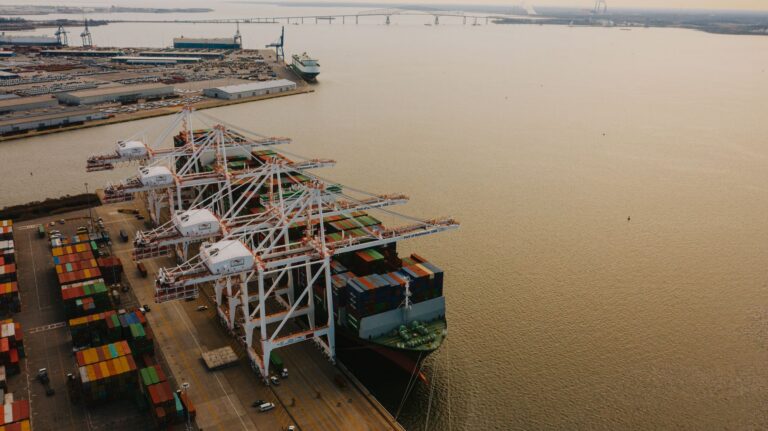
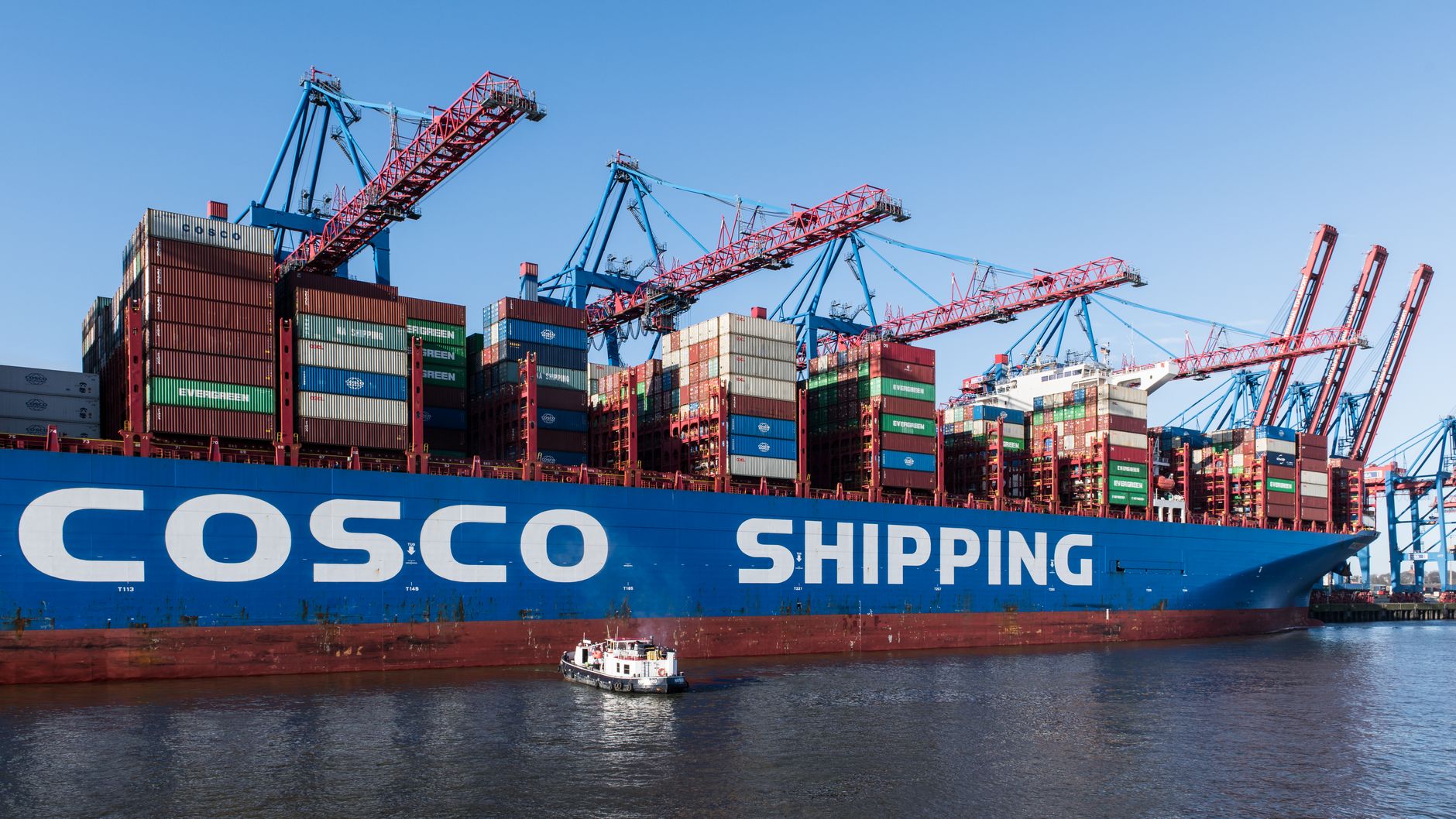
The operational challenges presented by a crisis in the Strait of Hormuz are multifaceted and severe. Even a perceived threat can lead to significant re-routing of maritime traffic, extending transit times by weeks and dramatically increasing fuel consumption. The Suez Canal and Bab-el-Mandeb Strait, already under pressure from regional instability, offer limited relief as alternative routes for goods originating from or destined for Asia and Europe. This operational shift directly impacts Just-In-Time (JIT) inventory systems, a cornerstone of modern supply chain efficiency, forcing F&B companies to re-evaluate their inventory strategies and potentially absorb higher carrying costs. Furthermore, war risk insurance premiums for vessels operating in the region have historically skyrocketed during periods of tension, adding substantial overheads to shipping costs. Port congestion, delays at transshipment hubs, and increased security expenses become the new operational normal, placing immense strain on logistical frameworks and demanding real-time adaptability from supply chain managers. The data pipeline must be robust enough to provide actionable insights into these rapidly evolving variables.
Technological Integration for Enhanced Resilience
In this era of heightened geopolitical risk, technology is not merely an enabler but a critical strategic asset. F&B businesses must leverage advanced data analytics, AI-driven predictive modeling, and real-time supply chain visibility platforms to navigate the turbulent waters. Imagine a digital twin of your supply chain, capable of simulating various disruption scenarios stemming from a Hormuz crisis – from rerouted vessels to commodity price spikes – and providing optimal mitigation strategies. Such platforms, powered by robust data pipelines, can offer early warnings of potential disruptions, identify alternative sourcing routes, and optimize inventory placement. Blockchain technology, while often discussed for provenance, can also enhance supply chain resilience by creating immutable, transparent records of every transaction and movement, improving traceability and trust in a fragmented logistical landscape. Integrating satellite data, port congestion trackers, and geopolitical intelligence feeds into a centralized decision-making dashboard empowers F&B leaders to make agile, data-informed choices rather than reactive ones. This is about building anticipatory rather than merely responsive supply chains.
Global Hedging Strategies and Financial Implications
Mitigating the financial fallout from a Hormuz crisis demands sophisticated global hedging strategies. F&B firms must consider a multi-pronged approach that includes financial instruments and operational diversification. Commodity futures and options contracts on energy (crude oil, natural gas) and key agricultural inputs (e.g., fertilizers, grains) can partially shield businesses from volatile price swings. Freight derivatives, though less common, offer a similar avenue for hedging against skyrocketing shipping costs. Furthermore, robust currency hedging strategies are essential for companies engaged in international trade, protecting profit margins from adverse exchange rate movements fueled by global instability. Operationally, diversifying sourcing geographically – even if it means moving away from optimized single-source models – becomes a critical long-term hedge. Strategic inventory build-ups, while incurring carrying costs, can act as a buffer against short-term supply shocks, provided they are managed judiciously with demand forecasting. A comprehensive enterprise risk management framework, integrating geopolitical foresight with financial modeling, is indispensable for navigating these complexities.
Policy and Collaborative Imperatives
The scale of a potential “global agri-food catastrophe” transcends individual corporate capabilities, demanding concerted action from governments and international bodies. Policy frameworks must be designed to enhance trade route security, promote international cooperation in crisis management, and stabilize global commodity markets. Organizations like the UN, WTO, and regional economic blocs have a crucial role in fostering dialogue, establishing contingency protocols, and ensuring the free flow of essential goods. Public-private partnerships are vital for investing in resilient infrastructure, developing early warning systems for geopolitical risks, and even exploring long-term investments in localized and regionalized food production capabilities, thereby reducing over-reliance on distant, vulnerable supply lines. Furthermore, encouraging the adoption of alternative energy sources for agricultural practices and investing in climate-resilient farming techniques can contribute to systemic resilience, decoupling food security from fossil fuel volatility in the long run.
Conclusion
The FAO’s alarm on the Strait of Hormuz crisis serves as an unequivocal call to action for the global F&B industry. The interconnectedness of energy, geopolitics, and food supply chains means that complacency is not an option. From the executive suites planning global sourcing to the operational teams managing logistics, every facet of the business must pivot towards resilience. This demands a strategic embrace of advanced technology, rigorous financial hedging, and a proactive engagement with evolving geopolitical realities. The objective is clear: to fortify supply chains against an increasingly volatile world, ensuring not just business continuity but the fundamental provision of nutrition. The time for reactive measures has passed; the imperative now is for foresight, data-driven strategy, and collaborative resilience to avert a genuine agri-food catastrophe.