In an era defined by accelerating geopolitical volatility, climatic unpredictability, and intricate logistical bottlenecks, multinational food and beverage giants are compelled to fundamentally reassess their raw material procurement strategies. PepsiCo, a titan in this landscape, is not merely adapting but is strategically overhauling its agricultural supply chain. This proactive pivot, epitomized by its comprehensive “Positive Agriculture” framework, transcends mere corporate social responsibility; it represents a critical operational and financial de-risking maneuver designed to ensure consistent raw material flow for its multi-billion-dollar portfolio amidst a highly uncertain global future.
PepsiCo’s commitment to regenerative agriculture, water stewardship, and enhancing farmer livelihoods across an ambitious 7 million acres globally by 2030 is a direct response to the escalating threats to agricultural output. This initiative directly underpins the security and quality of its core commodity inputs—from potatoes for Lay’s and Doritos to oats for Quaker and a myriad of grains and ingredients for its vast beverage and snack offerings. The imperative for such large-scale engagement is clear: in an industry where margins are often razor-thin and consumer expectations for sustainability are rising, a single crop failure in a key sourcing region can trigger significant quarterly earnings volatility and erode brand equity.
The Macroeconomic & Geopolitical Imperative
The global food system currently operates under immense stress. Population growth continues its upward trajectory, while climate change manifests in more frequent and severe droughts, floods, and unpredictable weather patterns that devastate yields. Geopolitical conflicts, such as the war in Ukraine, have demonstrated a profound capacity to disrupt global grain and fertilizer markets, sending ripple effects across the entire supply chain. Energy price spikes, driven by geopolitical tensions or supply constraints, directly inflate logistics costs. For food manufacturers, the traditional reliance on just-in-time inventory models and reactive commodity purchasing is proving increasingly untenable. Companies like PepsiCo are shifting towards a “just-in-case” strategic approach, embedding resilience at every stage, from soil health to last-mile delivery.
The strategic imperative for PepsiCo is multifaceted: insulate its operations from price shocks, guarantee supply volume, ensure product quality, and meet escalating consumer and regulatory demands for transparent, sustainable sourcing. This necessitates a macroscopic view of its agricultural footprint, integrated with sharp analysis of global trade flows, climatic patterns, and regional socio-political stability.
Geopolitical Hedging through Diversification and Localization
PepsiCo’s approach to geopolitical risk mitigation extends far beyond simply diversifying its purchasing from multiple countries. It involves a sophisticated analysis of political stability, trade agreements, and regional climate patterns across its potential sourcing geographies. This strategy includes developing robust multi-source contingency plans for critical ingredients, often involving strategic partnerships with agricultural cooperatives and local governments to foster localized supply chain ecosystems. By integrating processing facilities closer to the farm gate in certain regions, PepsiCo reduces transit risks, minimizes logistical costs, and lessens exposure to international shipping bottlenecks and tariffs.
Furthermore, this hedging strategy involves meticulous political risk analysis, correlating it with climate vulnerability indexes across current and prospective sourcing regions. The goal is to build a highly agile and geographically diverse sourcing network that can pivot rapidly in response to unexpected disruptions, thereby mitigating the kind of single-point-of-failure exposure that has plagued other global supply chains.
Logistics Risk Mitigation & Operational Efficiencies
The volatility of global energy markets directly impacts PepsiCo’s vast logistics network. Mitigating this risk involves significant investment in optimizing freight routes, exploring alternative and lower-carbon fuels, and enhancing the efficiency of its global distribution systems. Warehouse optimization, advanced cold chain management for perishable inputs, and rigorous spoilage reduction protocols from farm to factory are critical to preserving value and minimizing waste.
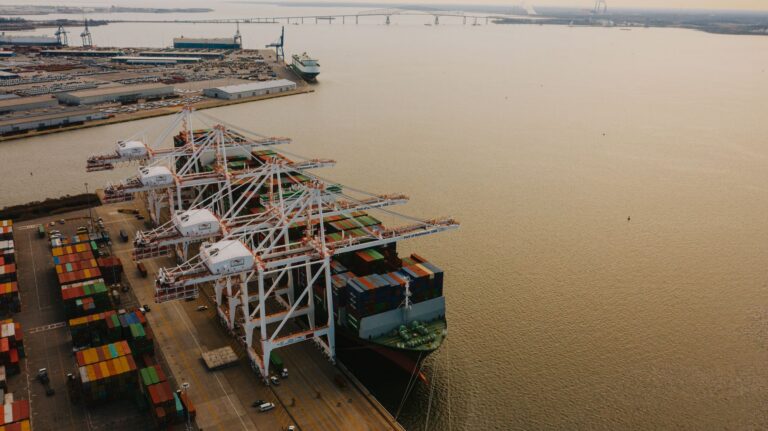
Beyond traditional transport, PepsiCo is increasingly leveraging data-driven route planning and predictive maintenance for its logistics fleets. The push towards nearshoring and regionalizing supply chains, where feasible, shortens lead times and reduces exposure to geopolitical chokepoints like the Suez Canal or major port strikes. Crucially, in developing markets, PepsiCo is investing in improving last-mile agricultural logistics infrastructure, enabling smaller, often underserved farmers to integrate more effectively into its larger supply network, simultaneously enhancing local economies and diversifying its sourcing base.
Technology Integration: The Strategic Imperative for Resilience
At the heart of PepsiCo’s agricultural resilience strategy is the profound integration of cutting-edge technology. This isn’t merely about incremental efficiency gains; it’s about transforming farming into a data-driven, predictive enterprise capable of withstanding unprecedented environmental and market pressures.
- Precision Agriculture: PepsiCo is actively deploying and promoting the use of IoT sensors, drone imagery, satellite data, and AI-powered analytics among its contract farmers. These tools optimize irrigation schedules, fine-tune fertilization, enable early pest detection, and provide highly accurate yield forecasts. For a company reliant on consistent potato quality and quantity, for instance, precision agriculture offers invaluable stability in yield, even in variable climatic conditions.
- Advanced Data Pipelines & Predictive Analytics: The true power lies in the seamless consolidation of farm-level data (soil moisture, local weather patterns, real-time yield estimates) with global market intelligence, logistical data, and macroeconomic indicators. This creates a robust predictive engine, informing procurement decisions, logistics planning, and inventory management with unprecedented accuracy. This holistic data visibility is what empowers sophisticated global hedging strategies, allowing PepsiCo to anticipate and respond to disruptions rather than merely reacting to them.
- Blockchain & Traceability: To verify sustainable practices, combat fraud, and provide end-to-end visibility, PepsiCo is exploring and implementing blockchain solutions. This technology builds undeniable brand trust by offering granular insights into the provenance of ingredients for consumers and regulators. It also creates a verifiable data trail for ESG reporting and enables rapid, targeted recalls if necessary, significantly reducing liability and reputational damage.
- Biotechnology & Crop Resilience: While PepsiCo is not a primary developer of biotechnological crops, its significant influence within agricultural value chains encourages the development and adoption of drought-resistant, disease-resistant, and climate-resilient crop varieties through its extensive farmer partnership networks and research initiatives.
Evolving Global Hedging Strategies
PepsiCo’s hedging strategies extend well beyond traditional financial instruments like futures and options. While these remain crucial for managing commodity price exposure, they are increasingly integrated with physical sourcing strategies that are informed by real-time data from its agricultural operations. Long-term contracts with farmers, based on agreed pricing models that offer stability to both parties, are becoming more prevalent. Diversified agricultural portfolios across different crop types and geographies further spread risk.
Strategic inventory holding—balancing carrying costs against the catastrophic risk of supply disruption or astronomical price spikes—is another critical component. Furthermore, currency hedging for international procurement acts as another layer of financial insulation against volatile global markets. The blend of financial instruments with robust operational and technological interventions creates a formidable shield against market and environmental shocks.
Challenges and the Path Forward
The journey is not without its challenges. Scaling regenerative agriculture practices across millions of acres and thousands of diverse farmers requires significant investment in training, technology transfer, and compelling incentives. Data interoperability—integrating disparate farm management systems and IoT devices into a unified, actionable data pipeline—remains a complex hurdle. Farmer adoption of new technologies and practices, often due to upfront costs or perceived risks, also requires sustained engagement and support.
Despite these complexities, PepsiCo’s integrated approach, which meticulously combines environmental stewardship, technological innovation, and robust risk management, is setting a critical benchmark for how F&B conglomerates must operate in the coming decades. It is a compelling testament to how global hedging strategies are evolving from purely financial plays to deeply embedded operational, technological, and environmental transformations.
PepsiCo’s agriculture strategy transcends traditional sourcing paradigms. It represents a sophisticated fusion of ecological responsibility, cutting-edge technological integration, and astute geopolitical risk mitigation. For any executive in the food and beverage industry, this model offers a crucial blueprint for constructing genuine supply chain resilience in an era of unprecedented volatility, unequivocally demonstrating that sustainable and technologically advanced practices are not merely an ethical choice but an indispensable strategic imperative for long-term financial and operational stability.