In the high-stakes arena of the global food and beverage industry, product safety and quality are not merely compliance checkboxes; they are foundational pillars of brand equity, operational resilience, and ultimately, shareholder value. For a conglomerate of PepsiCo’s scale and reach, with an intricate web of sourcing, manufacturing, and distribution spanning continents, the continuous assurance of product integrity presents a colossal and evolving strategic challenge. The firm’s meticulous approach to quality control, therefore, serves as a critical barometer for the entire sector, reflecting the acute vulnerabilities inherent in an increasingly complex, interconnected, and often volatile global supply chain.
The implications of a product safety lapse for a company like PepsiCo extend far beyond immediate recall costs. They encompass profound reputational damage, eroded consumer trust, potential legal liabilities, and significant financial repercussions that can reverberate through stock performance and market perception. This analysis delves into the macroeconomic forces, technological imperatives, and strategic hedging mechanisms that define PepsiCo’s product safety landscape, offering a blueprint for how leading F&B enterprises must proactively manage quality assurance in an era of unprecedented supply chain disruption.
Geopolitical Friction and Raw Material Integrity
The geopolitical chessboard directly influences the quality and safety of raw material inputs for global giants like PepsiCo. Shifting trade policies, regional conflicts, and diplomatic tensions can abruptly alter sourcing geographies, forcing companies to pivot to new suppliers whose quality standards, regulatory environments, and logistical reliability may be less established. Consider the impact of climate change on agricultural yields and quality: droughts in one region or excessive rainfall in another can compromise the safety of staple ingredients, introducing contaminants or reducing nutritional value. PepsiCo’s diverse portfolio, spanning snacks, beverages, and cereals, necessitates sourcing from a vast array of agricultural regions, each with its unique set of environmental and political risks.
Furthermore, increased scrutiny on forced labor practices and ethical sourcing in various jurisdictions adds another layer of complexity. Ensuring that raw materials are not only safe and of high quality but also produced ethically requires robust supplier vetting and continuous monitoring programs. This demands a sophisticated geopolitical intelligence pipeline, enabling proactive risk assessment and strategic diversification of supplier portfolios – a form of operational hedging against country-specific or regional supply shocks that could compromise ingredient safety.
The Imperative of End-to-End Traceability via Technology
The cornerstone of modern product safety for an enterprise like PepsiCo lies in the relentless pursuit of end-to-end supply chain visibility. This is where advanced technology integration moves from a competitive advantage to an existential necessity. The deployment of Internet of Things (IoT) sensors at various stages – from farms monitoring soil conditions and moisture levels, to manufacturing plants tracking temperature and humidity, to logistics networks ensuring proper storage conditions during transit – provides a continuous data stream.
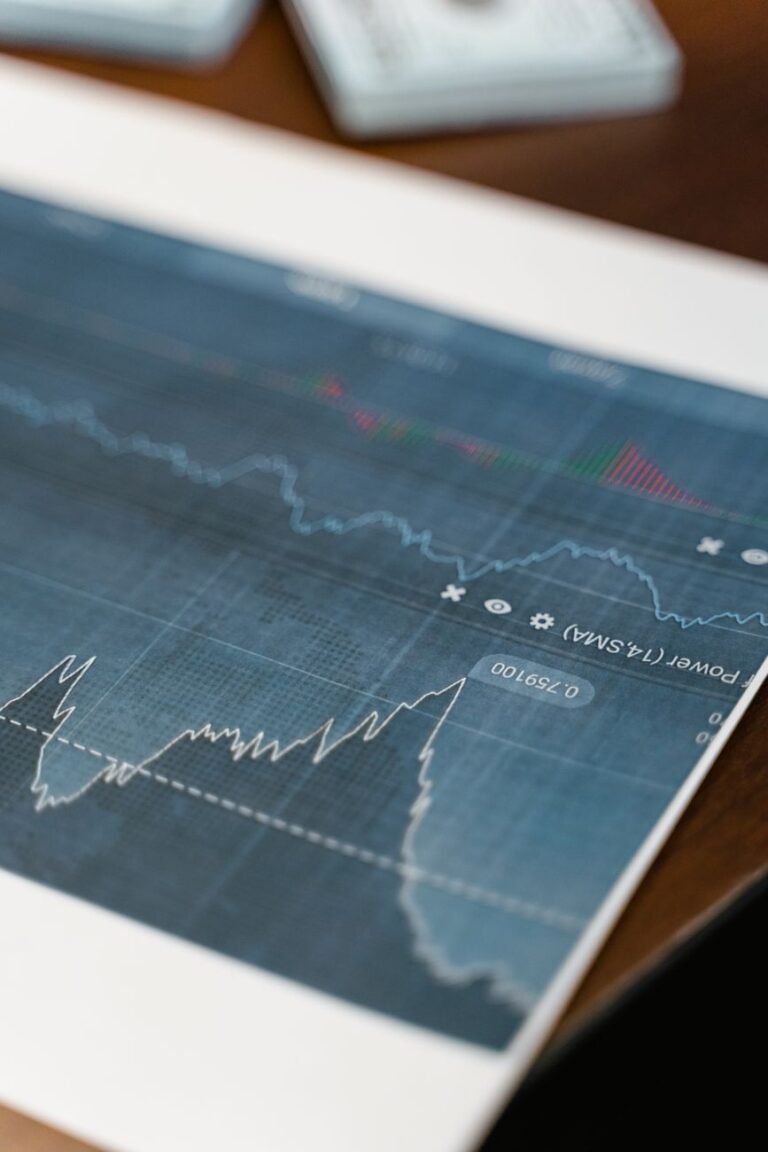
This granular data, when fed into sophisticated Artificial Intelligence (AI) and Machine Learning (ML) algorithms, transforms raw information into predictive intelligence. These systems can identify anomalies, forecast potential quality deviations, and even pinpoint the precise origin of a contamination risk with unprecedented speed and accuracy. Blockchain technology offers an immutable, distributed ledger for every transaction and transformation along the supply chain, creating a tamper-proof record of product provenance, ingredient sourcing, processing steps, and quality control checks. For PepsiCo, integrating such a robust data pipeline means moving beyond reactive recalls to a proactive, predictive quality assurance model, significantly reducing the window of risk and mitigating the scale of potential damage.
Logistics as a Critical Quality Vector
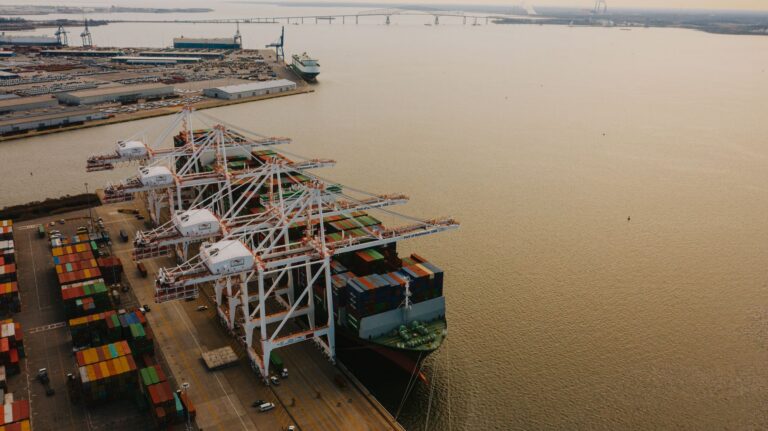
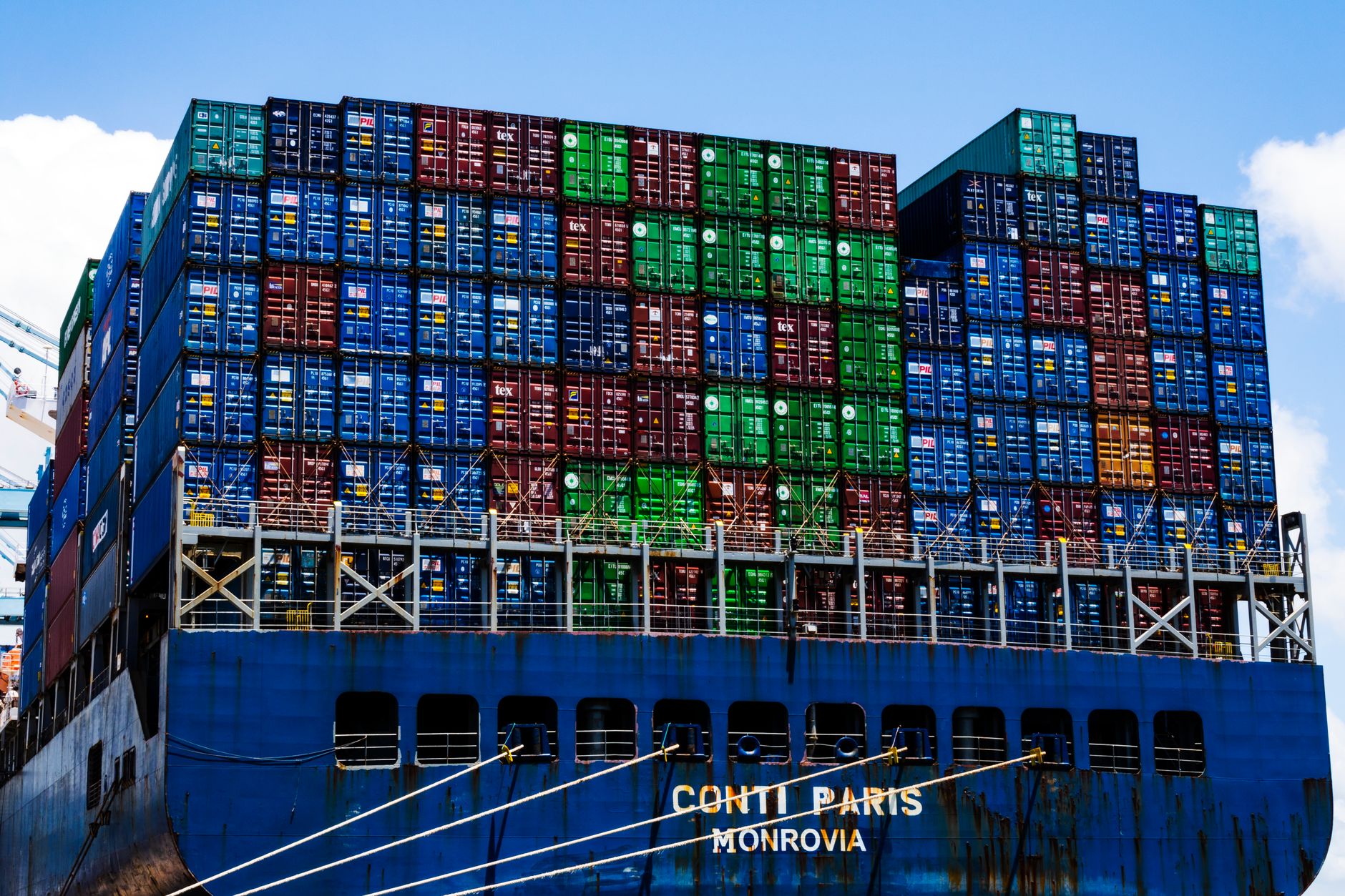
Logistics, often viewed as a cost center, is in fact a critical vector for product safety and quality. Any disruption in the vast and intricate logistics networks that PepsiCo operates can directly compromise product integrity. Port congestion, labor shortages (as seen during recent global crises), geopolitical blockades, or even cyberattacks targeting critical logistics infrastructure can lead to extended transit times, improper storage conditions, and degraded product quality. For perishable goods or items requiring specific temperature controls, these disruptions are particularly hazardous.
The F&B industry faces unique challenges in maintaining cold chains and ensuring timely delivery to prevent spoilage or contamination. PepsiCo’s strategic response involves diversifying its logistics partnerships, investing in advanced fleet management systems with real-time condition monitoring, and exploring alternative transportation modalities. Furthermore, the firm must integrate logistics risk assessment into its broader enterprise risk management framework, viewing supply chain resilience not just in terms of continuity, but specifically in terms of its direct impact on product safety and consumer health.
Global Hedging and Resilience Strategies
For a company of PepsiCo’s stature, hedging against product safety risks goes beyond traditional financial instruments. It necessitates comprehensive operational and strategic hedging strategies. This includes a multi-sourcing strategy for critical ingredients, ensuring that reliance on a single geographic region or supplier is minimized. This redundancy acts as a buffer against localized disruptions, whether they be environmental, political, or quality-related.
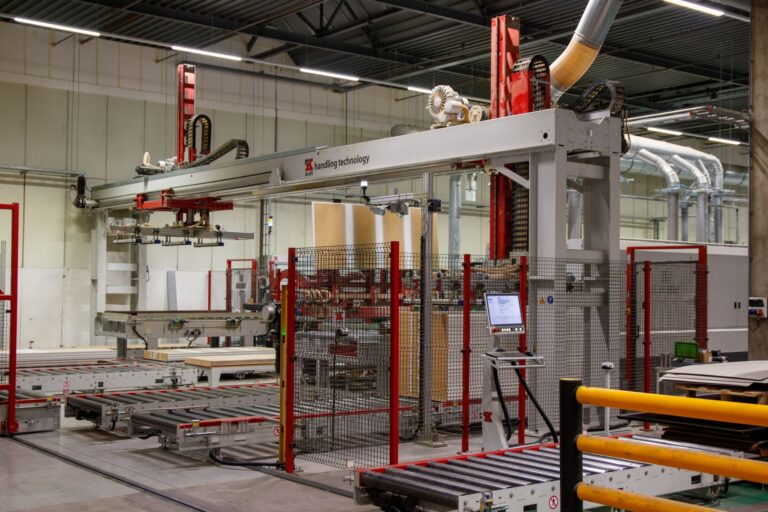
Furthermore, investing in decentralized manufacturing capabilities or co-packing arrangements across different regions can mitigate the impact of a production-line contamination event or a regional regulatory crackdown. Building strategic buffer stocks in diverse locations, while incurring carrying costs, can provide crucial lead time to address and resolve quality issues without immediate shelf emptiness. These strategies, while complex to manage and costly to implement, represent an indispensable insurance policy for safeguarding both product integrity and the intangible asset of brand trust. PepsiCo’s ability to navigate these intricate layers of risk will dictate its sustained leadership in a hyper-competitive global market.
In conclusion, for PepsiCo and its peers, product safety and quality are dynamic, interconnected challenges demanding continuous strategic foresight. The integration of cutting-edge technology to build transparent, predictive data pipelines, coupled with sophisticated geopolitical and logistical risk analysis, forms the bedrock of modern quality assurance. As the global operating environment grows more unpredictable, the capacity to implement agile, resilient, and multi-faceted hedging strategies against quality threats will not just protect revenue streams, but fundamentally define the long-term viability and ethical standing of global food and beverage enterprises.