The recent reports from ABC7 Los Angeles detailing widespread ingredient shortages plaguing Taco Bell outlets across the United States are far more than an inconvenience for franchisees and consumers; they represent a stark, macroscopic illustration of the profound fragility embedded within modern quick-service restaurant (QSR) supply chains. This incident is not an isolated operational hiccup but a potent canary in the coal mine, signaling the urgent need for a comprehensive strategic re-evaluation of global food logistics, procurement, and risk management across the entire food and beverage industry.
At its core, Taco Bell’s predicament—grappling with insufficient supplies of staples ranging from beef and chicken to various shells and sauces—exposes the critical vulnerabilities inherent in highly optimized, just-in-time (JIT) inventory systems when confronted with unprecedented and multifaceted external pressures. While JIT strategies have long been lauded for their efficiency and cost-saving benefits, reducing warehousing expenses and minimizing waste, their inherent lack of redundancy leaves organizations critically exposed to even minor disruptions. The current landscape, however, presents anything but minor disruptions.
The Confluence of Geopolitical & Logistics Risks
The tapestry of global commerce is increasingly interwoven with geopolitical instability, and the food supply chain is no exception. While Taco Bell’s immediate issues might appear domestic, they are inextricably linked to a global network of raw material sourcing, processing, and distribution. Factors such as fluctuating commodity prices, often influenced by international trade policies, regional conflicts, and climate events, ripple through the entire chain. For instance, global grain harvests and livestock feed prices, influenced by events thousands of miles away, directly impact the cost and availability of beef and chicken for a QSR giant.
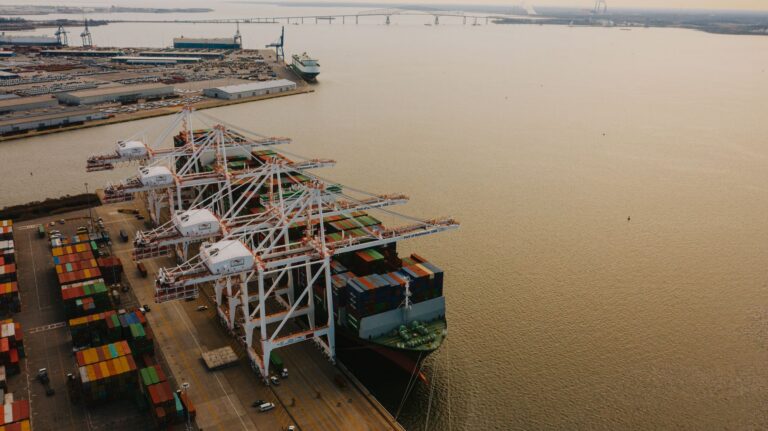
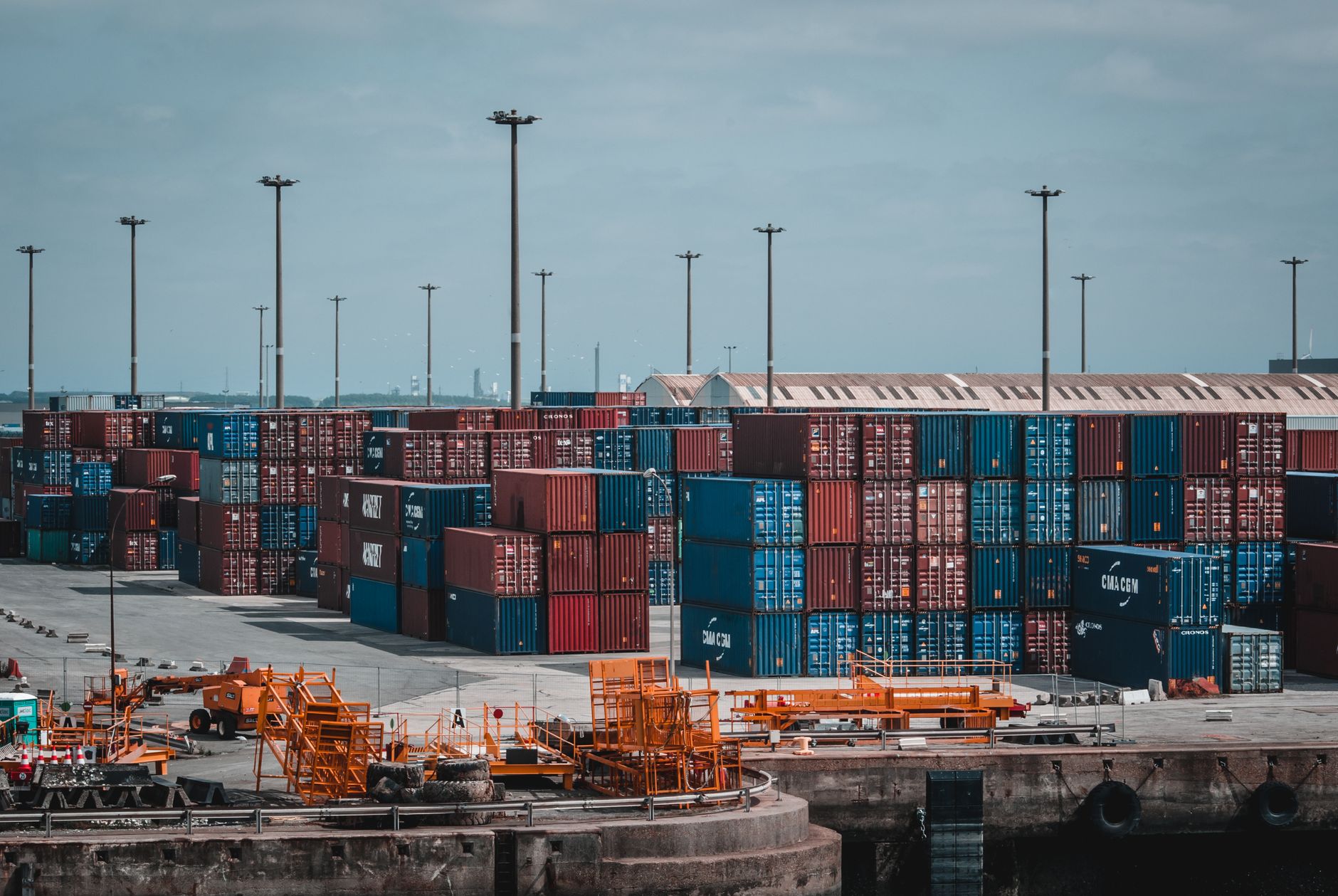
Logistics, the lifeblood of any supply chain, continues to face unprecedented stress. Port congestion, exacerbated by a surge in demand and chronic labor shortages across the shipping industry, remains a bottleneck for imported goods and ingredients. Domestically, a persistent shortage of truck drivers, an aging infrastructure, and escalating fuel costs combine to create a perfect storm of delays and increased transportation expenses. These macro-level logistics challenges mean that even if raw materials are available at their origin, the journey to the processing plant, then to distribution centers, and finally to individual restaurant locations, is fraught with unpredictable and costly delays. A single missed delivery due to a truck breakdown or a driver shortage can ripple across dozens of locations, leading to the exact scenario Taco Bell is currently facing.
Technology Integration: The Unfulfilled Promise of Visibility
The ideal response to such pervasive uncertainty lies in leveraging advanced technological integration to build genuinely resilient and transparent supply chains. Yet, many enterprises, including some of the largest QSR players, still operate with siloed data systems and fragmented visibility across their vast networks. The absence of a robust, end-to-end data pipeline means that critical information—from supplier inventory levels and transit statuses to real-time demand fluctuations at the store level—is often delayed, incomplete, or entirely inaccessible.
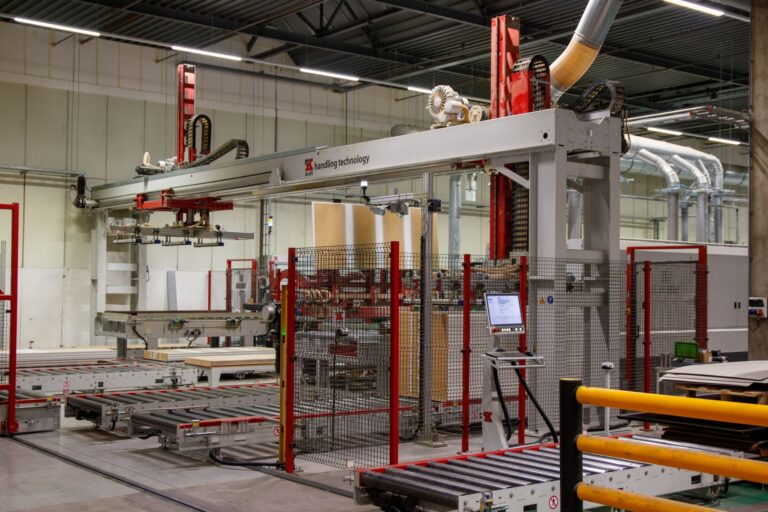
Imagine a scenario where AI-driven predictive analytics, fed by real-time point-of-sale data, weather patterns, global news feeds, and supplier updates, could accurately forecast demand spikes or potential supply shortfalls weeks or even months in advance. Such systems could automatically trigger proactive measures: rerouting shipments, activating secondary suppliers, or adjusting promotional strategies to mitigate impact. Blockchain technology, too, offers a tantalizing solution for enhanced traceability and transparency, allowing every stakeholder from farm to franchise to monitor ingredient provenance and movement, significantly bolstering accountability and rapid issue resolution. The current situation suggests that while the technological capabilities exist, their full integration into the operational fabric of many QSR chains remains an ambitious, yet largely unfulfilled, imperative.
Global Hedging Strategies and Portfolio Diversification
For organizations operating at the scale of Taco Bell’s parent company, Yum! Brands, strategic hedging and diversification are not merely financial instruments but critical operational necessities. Relying on a limited number of suppliers or geographical sourcing regions, even for commodity items, magnifies risk. A diversified sourcing portfolio, encompassing multiple regional and international suppliers, provides crucial shock absorption. When one region faces adverse weather, geopolitical turmoil, or labor disputes, alternative sources can be activated, albeit potentially at a higher cost, to maintain supply continuity.
Furthermore, robust financial hedging strategies for key commodities—such as corn, soy (for feed), wheat, and various meats—can mitigate the financial impact of price volatility. Utilizing futures contracts allows businesses to lock in prices for future deliveries, providing a degree of cost certainty amidst unpredictable market conditions. While such strategies require significant capital and sophisticated market analysis, the cost of inaction, as evidenced by lost sales and potential brand damage during shortages, far outweighs the investment. This isn’t just about reducing procurement costs; it’s about securing operational continuity and protecting shareholder value.
Strategic Imperatives for the Food & Beverage Industry
Taco Bell’s current woes serve as a potent wake-up call for the entire food and beverage sector. Leaders must shift from a singular focus on cost efficiency to a dual mandate encompassing both efficiency and resilience. This necessitates significant investment in multi-layered supply chain strategies:
- Geographic Diversification: Spreading sourcing across varied regions to mitigate localized risks.
- Supplier Redundancy: Cultivating relationships with multiple primary and secondary suppliers for critical ingredients.
- Inventory Buffering: Re-evaluating JIT models to incorporate strategic safety stock levels for high-risk, high-impact items.
- Enhanced Visibility & Analytics: Investing in real-time data platforms, AI, and machine learning to predict and preempt disruptions.
- Logistics Innovation: Exploring alternative transportation routes, modes, and partnerships, including micro-fulfillment centers closer to demand points.
- Workforce Resilience: Addressing labor shortages through automation, improved compensation, and training programs across the logistics and processing sectors.
The challenges facing Taco Bell are systemic, reflecting a global economy still reeling from a confluence of crises. For B2B stakeholders in the food and beverage industry, this situation underscores the undeniable truth: the era of lean, hyper-efficient supply chains, optimized solely for cost, is over. The new imperative is robust, resilient, and adaptive supply chain architecture, built on intelligent technology and diversified strategies. Those who fail to adapt risk not just temporary shortages, but fundamental disruptions to their market position and long-term viability.