The food industry’s collective sigh of relief following recent tariff reductions is palpable, signaling a welcome respite from persistent inflationary pressures and margin erosion. While executive suites are undoubtedly recalculating projected cost savings and potential reinvestment opportunities, a macroscopic lens reveals a more complex, and potentially precarious, landscape. This apparent easing of trade friction, while offering immediate financial reprieve, must be critically examined not as a resolution but as a fleeting moment within a dynamically unstable geopolitical chessboard, demanding an intensified focus on proactive supply chain resilience and sophisticated data-driven hedging strategies.
The immediate economic benefits for food manufacturers, distributors, and retailers are undeniable. Reduced import duties on key agricultural commodities, ingredients, and packaging materials directly translate into lower landed costs. For sectors heavily reliant on international sourcing – think specialty grains, certain proteins, exotic produce, or even specific chemicals for food processing – this can unlock significant capital. Companies might leverage these savings to stabilize consumer prices, invest in R&D, upgrade processing infrastructure, or enhance operational efficiencies. This shift could temporarily alleviate pressures on profit margins that have been squeezed relentlessly by surging freight rates, labor shortages, and energy price volatility over the past two years. Data models across the industry are likely projecting improved profitability metrics for the latter half of the fiscal year, presenting a momentarily optimistic outlook for stakeholders.
The Geopolitical Undercurrents Remain Potent
However, the genesis of these tariffs—largely rooted in geopolitical leverage and national economic protectionism—remains unaddressed at a fundamental level. The reduction of specific duties should not be conflated with a de-escalation of the underlying trade tensions. Geopolitical strategists at Foodsatlas.com maintain that the global trade architecture continues to be shaped by a precarious balance of power, influenced by evolving nation-state rivalries, technological competition, and shifting alliances. The current reprieve may be a tactical maneuver rather than a strategic pivot towards sustained global trade liberalization. For instance, the ongoing US-China dynamic, simmering disputes within the EU, or the ramifications of regional conflicts can swiftly reintroduce, or even escalate, trade barriers with little advance warning. Food businesses must recognize that the weaponization of trade policy remains a potent instrument in statecraft, and today’s tariff cut could easily become tomorrow’s import ban.
Supply Chain Vulnerability & Diversification Imperatives
This temporary cost relief presents a critical juncture. The risk is that organizations, driven by short-term financial optimization, might decelerate or even abandon long-term strategies aimed at supply chain diversification and resilience. A return to pre-tariff sourcing paradigms, while seemingly cost-effective now, could expose enterprises to intensified risk in the event of renewed trade hostilities or unforeseen disruptions. My analysis of global data pipelines indicates that true resilience is built not on reactive cost-cutting, but on proactive risk mapping. Companies must continue investing in multi-source procurement strategies, exploring near-shoring or friend-shoring options where economically viable, and auditing the geopolitical exposure of their entire supplier ecosystem, from tier-1 ingredients to critical logistics partners. The illusion of stability can be more dangerous than overt volatility if it leads to complacency.
Persistent Logistics & Operational Headwinds
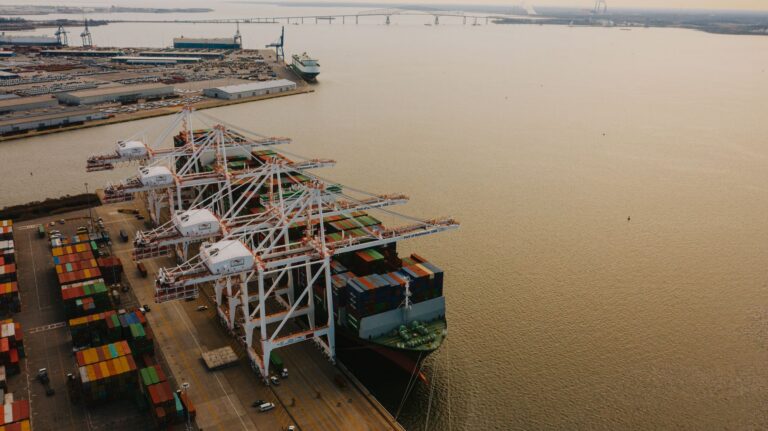
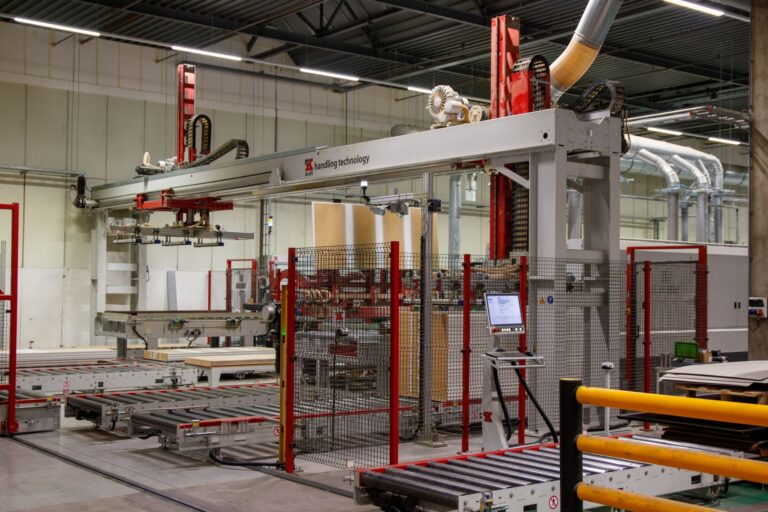
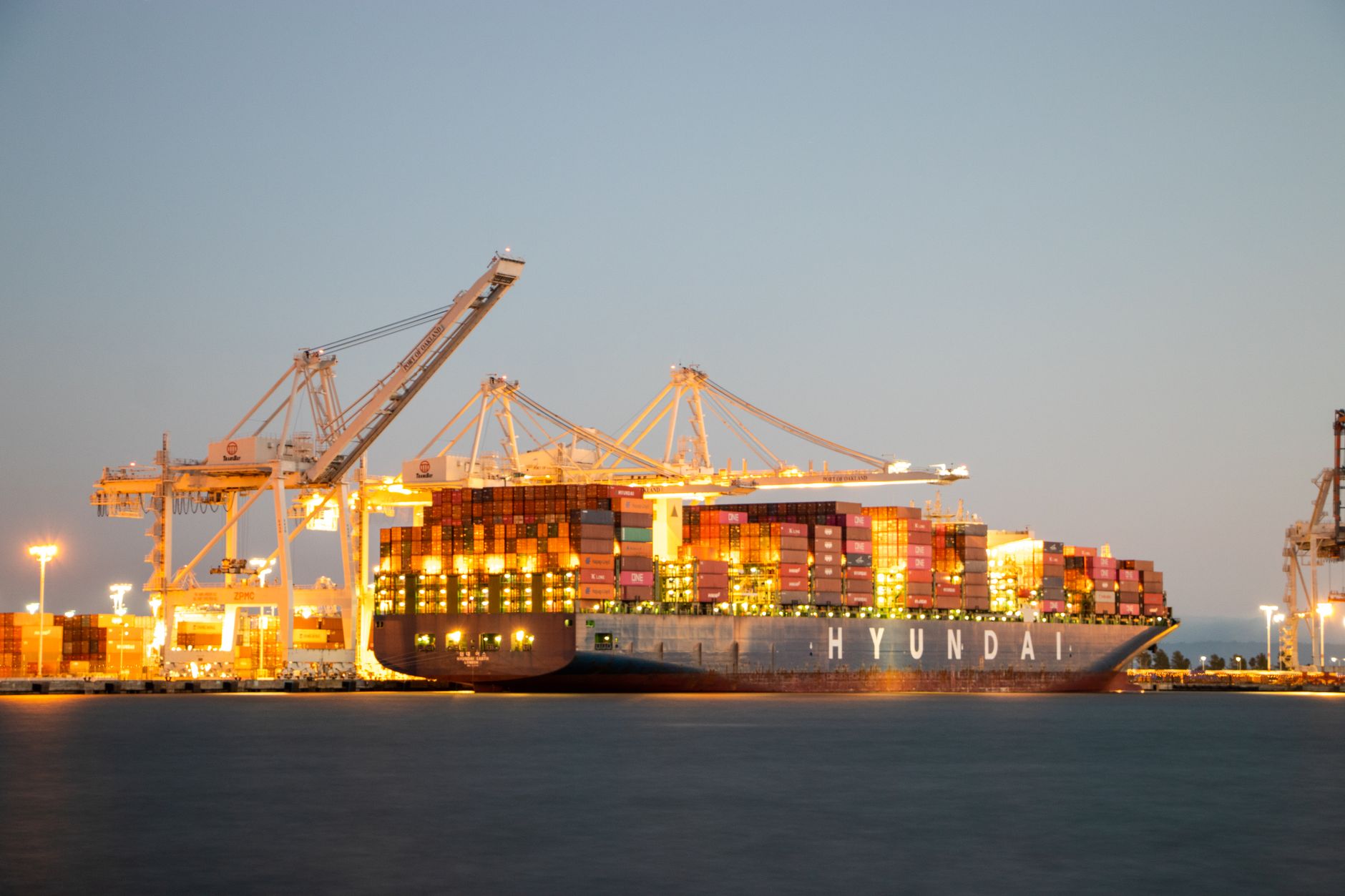
Furthermore, tariff reductions, while beneficial, do not address the broader structural challenges plaguing global logistics and supply chains. Port congestion, particularly in major hubs, continues to create bottlenecks and drive up lead times. Labor shortages, from truck drivers to warehouse personnel, remain a critical constraint on distribution networks. Energy costs, influenced by global commodity markets and geopolitical events in energy-producing regions, show no sign of sustained decline. These operational frictions represent an irreducible cost base that tariffs merely add to or subtract from. A comprehensive view mandates that food businesses continue to optimize their logistics footprints, invest in automation to mitigate labor dependencies, and secure long-term freight contracts, perhaps even exploring vertical integration where strategic. The interplay between tariff policy and operational efficacy is complex; one cannot be analyzed in isolation from the other.
The Imperative of Technology Integration for Foresight
This volatile environment underscores the critical need for advanced technology integration across the food supply chain. Enterprises must move beyond retrospective reporting to predictive analytics and prescriptive intelligence:
- Data Pipelines & AI-driven Forecasting: Robust data pipelines capable of ingesting real-time geopolitical signals, commodity market fluctuations, and logistics performance metrics are foundational. AI and machine learning algorithms can then process this colossal data to provide probabilistic forecasts on trade policy shifts, predicting potential tariff re-impositions or new trade barriers. This enables proactive scenario planning rather than reactive crisis management.
- Blockchain for Traceability and Compliance: Distributed ledger technology offers unparalleled transparency in tracking product origin, certifications, and customs compliance, vital for navigating complex and rapidly changing regulatory landscapes. This reduces the risk of non-compliance fines and ensures quicker customs clearance, mitigating potential delays.
- Integrated ERP and SCM Systems: Seamless integration between Enterprise Resource Planning (ERP) and Supply Chain Management (SCM) systems, enhanced by IoT sensors, allows for real-time visibility into inventory levels, transit routes, and demand fluctuations. This agility is paramount for re-routing shipments or activating alternative sourcing strategies instantaneously in response to geopolitical or logistical disruptions.
Global Hedging Strategies Beyond Tariffs
Beyond operational adjustments and technological enhancements, sophisticated global hedging strategies are essential. Financial hedging, such as currency forward contracts and options, becomes even more critical when supply chains are exposed to multiple jurisdictions. Businesses need to mitigate foreign exchange rate volatility, which can quickly erode any gains from tariff reductions. Furthermore, commodity hedging strategies, including futures and options contracts for agricultural raw materials, can provide a buffer against price shocks induced by geopolitical events or weather anomalies. Operationally, this translates to developing a “hedged portfolio” of suppliers—not just geographically diverse, but also across different political and economic blocs—to ensure continuity of supply even when one region becomes untenable due to trade disputes or other geopolitical risks. Diversification, in essence, becomes a form of operational hedging.
While the food industry rightly celebrates the immediate financial relief afforded by recent tariff reductions, it is imperative to resist the allure of short-term comfort. This moment should serve as a strategic pause, an opportunity to reinforce underlying vulnerabilities rather than to relax vigilance. The fundamental geopolitical forces driving trade friction remain potent, and the operational challenges of a globalized supply chain endure. True resilience for the food and beverage sector in this era demands a relentless pursuit of data-driven insights, advanced technological integration for predictive capabilities, and the robust implementation of multi-layered global hedging strategies. Only then can businesses confidently navigate the persistent currents of global instability, transforming momentary reprieves into sustained competitive advantage.