The global restaurant industry has fundamentally abandoned the fragile efficiency of the pre-pandemic era. By Q3 2026, the constant drumbeat of geopolitical instability, fractured trade routes, and unpredictable tariffs has officially killed the “just-in-time” supply chain model. Instead, enterprise operators are pivoting toward defensive “just-in-case” economics. To insulate themselves from sudden cross-border disruptions, major franchises are aggressively nearshoring production and building regionalized supply “fortresses”—strategic, localized stockpiles of core ingredients and packaging materials designed to ensure absolute operational continuity.

However, hoarding massive amounts of inventory introduces severe perishability and capital-lockup risks. To manage these highly complex, regionalized networks, franchisors are deploying “Agentic AI” systems that provide end-to-end, real-time visibility. These autonomous software networks act as the central nervous system of the supply chain, continuously analyzing IoT sensor data from refrigerated trucks and monitoring global weather patterns to predict disruptions before they occur, automatically re-routing shipments and adjusting inventory levels without human intervention.
“We no longer view the supply chain as a linear path from farm to distribution center; it is a dynamic, constantly shifting ecosystem,” states Michael Chang, VP of Global Logistics for a massive fast-casual brand. “If an AI alert indicates a port delay on the West Coast, our system doesn’t wait for a human manager to approve a change. It autonomously executes contingency orders from our regionalized Mexican and Canadian suppliers within seconds. You cannot navigate 2026 volatility using 2019 spreadsheet models.”
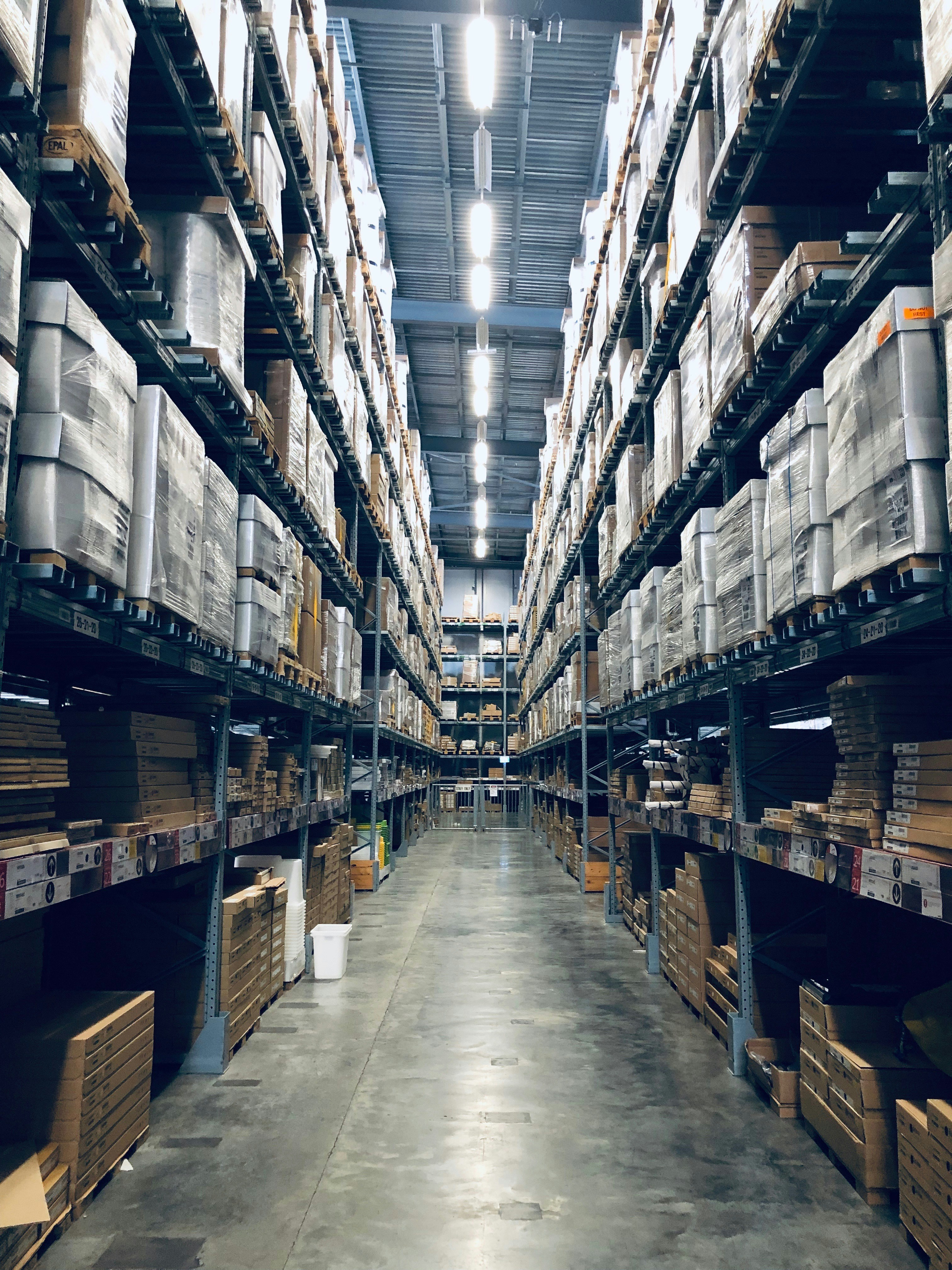
The financial implications of this shift are profound. The initial capital expenditure required to build these tech-enabled, regionalized supply networks is massive, but it acts as a critical insurance policy against devastating stockouts. For the B2B operator, survival depends on integrating predictive analytics into every facet of the supply chain, transforming logistics from a vulnerable cost center into an agile, resilient competitive advantage.