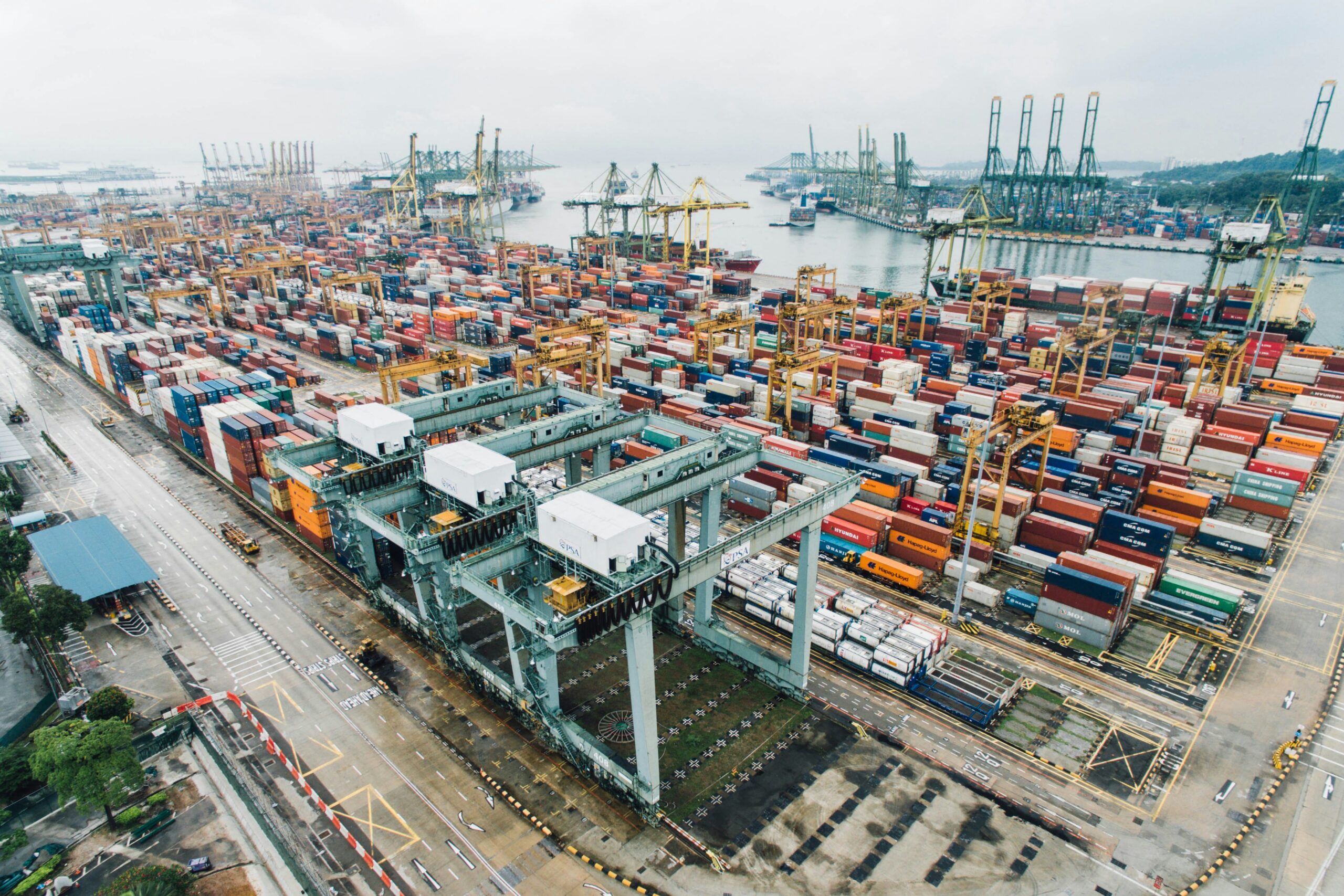
The myth of the frictionless, highly globalized restaurant supply chain has been violently dismantled in 2026. As we cross into Q3, persistent geopolitical flashpoints and a renewed era of aggressive trade tariffs are inflicting massive structural damage on legacy procurement models. The math on deep-ocean shipping for raw commodities simply no longer works. When maritime chokepoints face constant disruption, a fast-casual franchise cannot rely on trans-Pacific transit times for its packaging or core ingredients. The immediate, tactical response across the enterprise sector is a massive capital shift toward ‘nearshoring’ and regionalized procurement.

This is not a slow evolution; it is a rapid, defensive realignment. Major multi-national food groups are actively unwinding decades-old vendor contracts in Asia and Eastern Europe, opting instead to secure manufacturing and processing facilities in Mexico and Central America. While the initial unit cost of a nearshored ingredient may appear 4% to 7% higher on a spreadsheet, the reduction in transit volatility, tariff exposure, and catastrophic stock-outs yields a significantly higher net operating margin over a twelve-month cycle.
“We are no longer optimizing for the absolute lowest cost per unit; we are optimizing for survival and execution,” states Jonathan Vance, EVP of Global Supply Chain for a 4,000-unit QSR conglomerate. “If I save three cents on a proprietary sauce packet but the container sits in a port for an extra 18 days due to a geopolitical flare-up, my franchisees lose thousands of dollars in localized revenue. We are currently spending aggressively to integrate our POS systems directly with localized, nearshore distributors. We need real-time, algorithmic demand planning that adjusts inventory pulls dynamically, not a rigid, 90-day offshore forecasting model.”
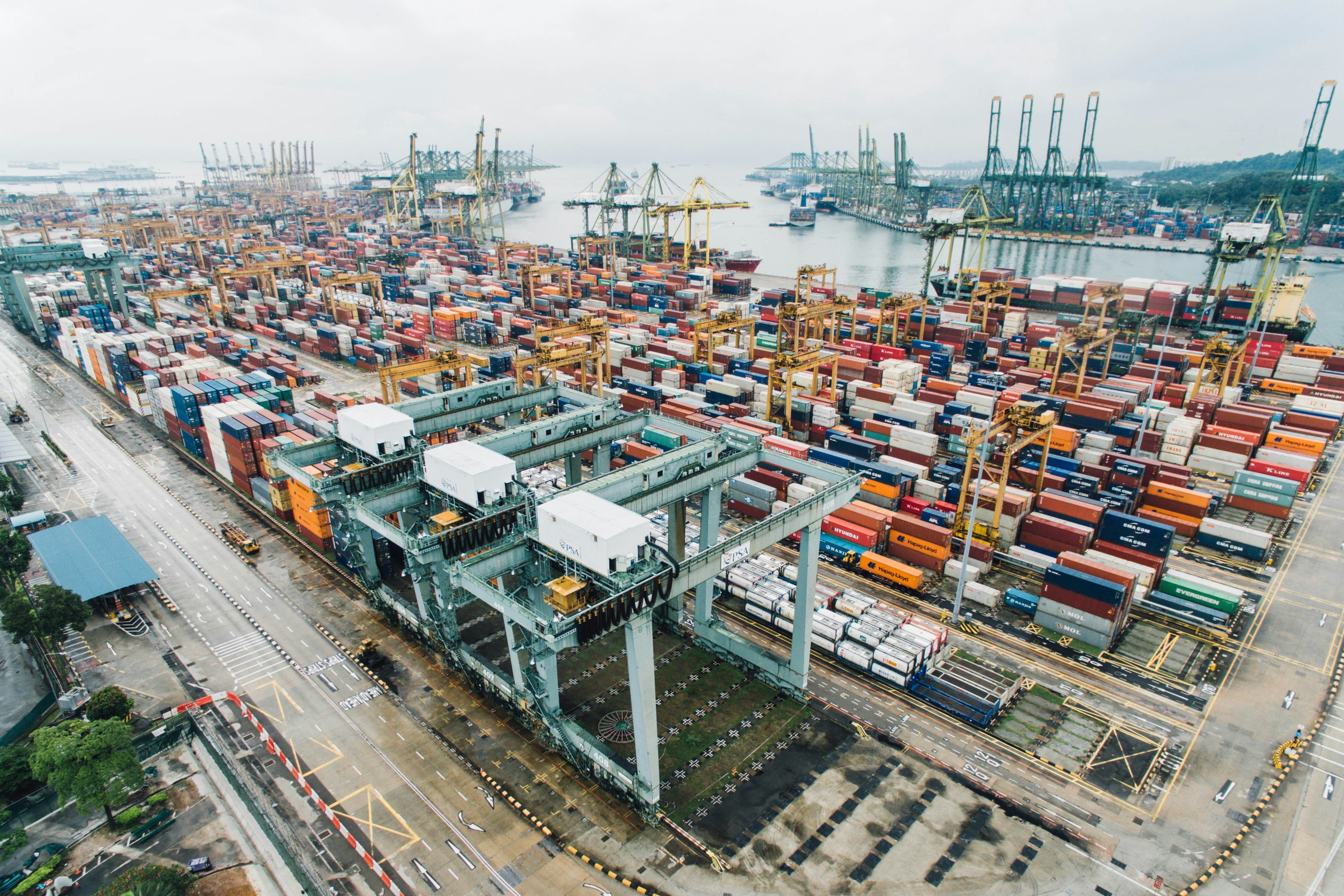
The technology stack required to manage this transition is immense. Enterprise operators are deploying AI-driven logistics platforms that provide real-time, blockchain-verified visibility into every tier of the supply chain. If a regional conflict disrupts a specific protein supplier, the AI system immediately models alternative nearshore sourcing options and automatically adjusts the consumer-facing digital menus to push high-margin, highly available alternatives. In 2026, supply chain management is no longer a back-office administrative function; it is the frontline defense of the entire franchise business model.