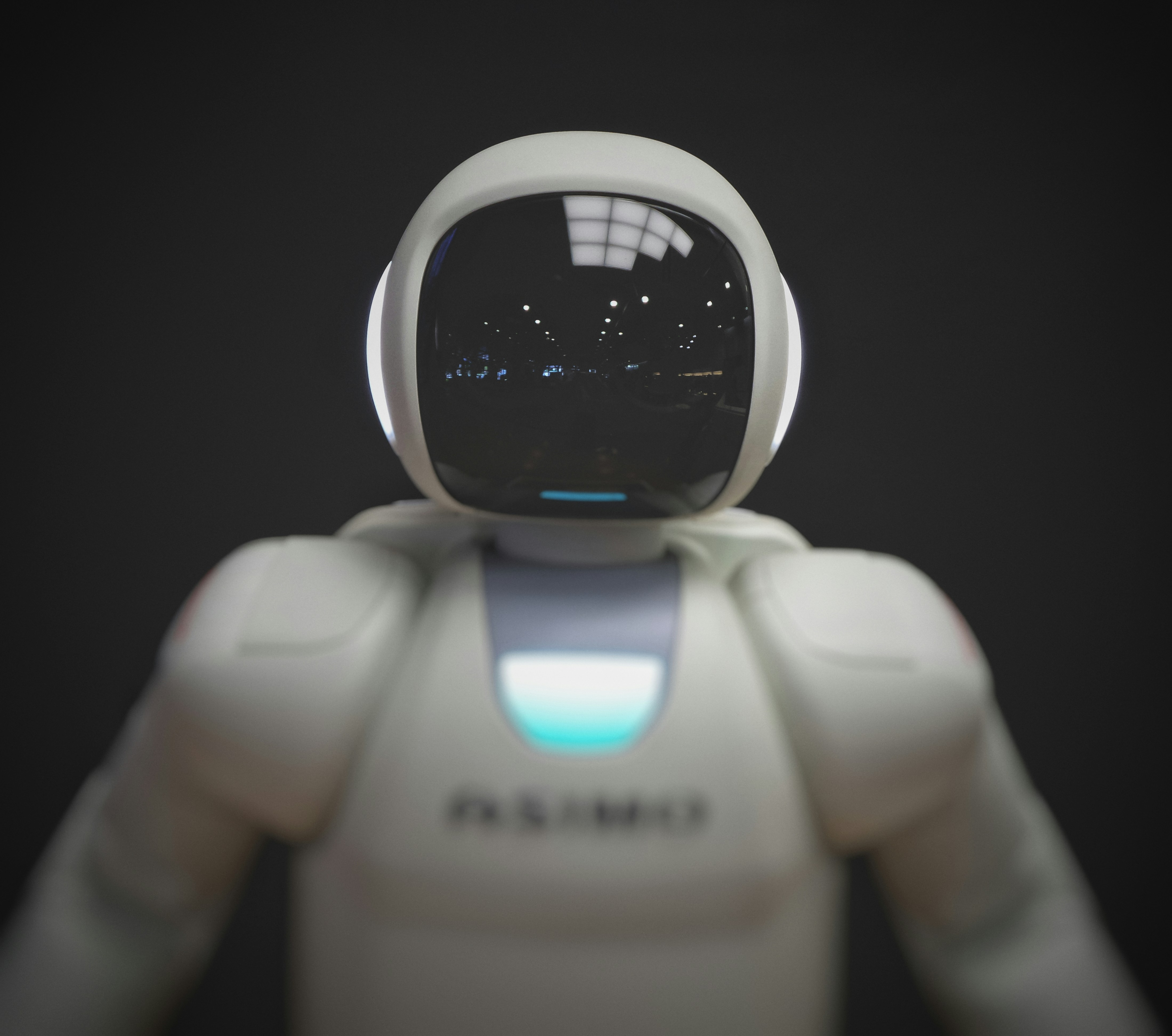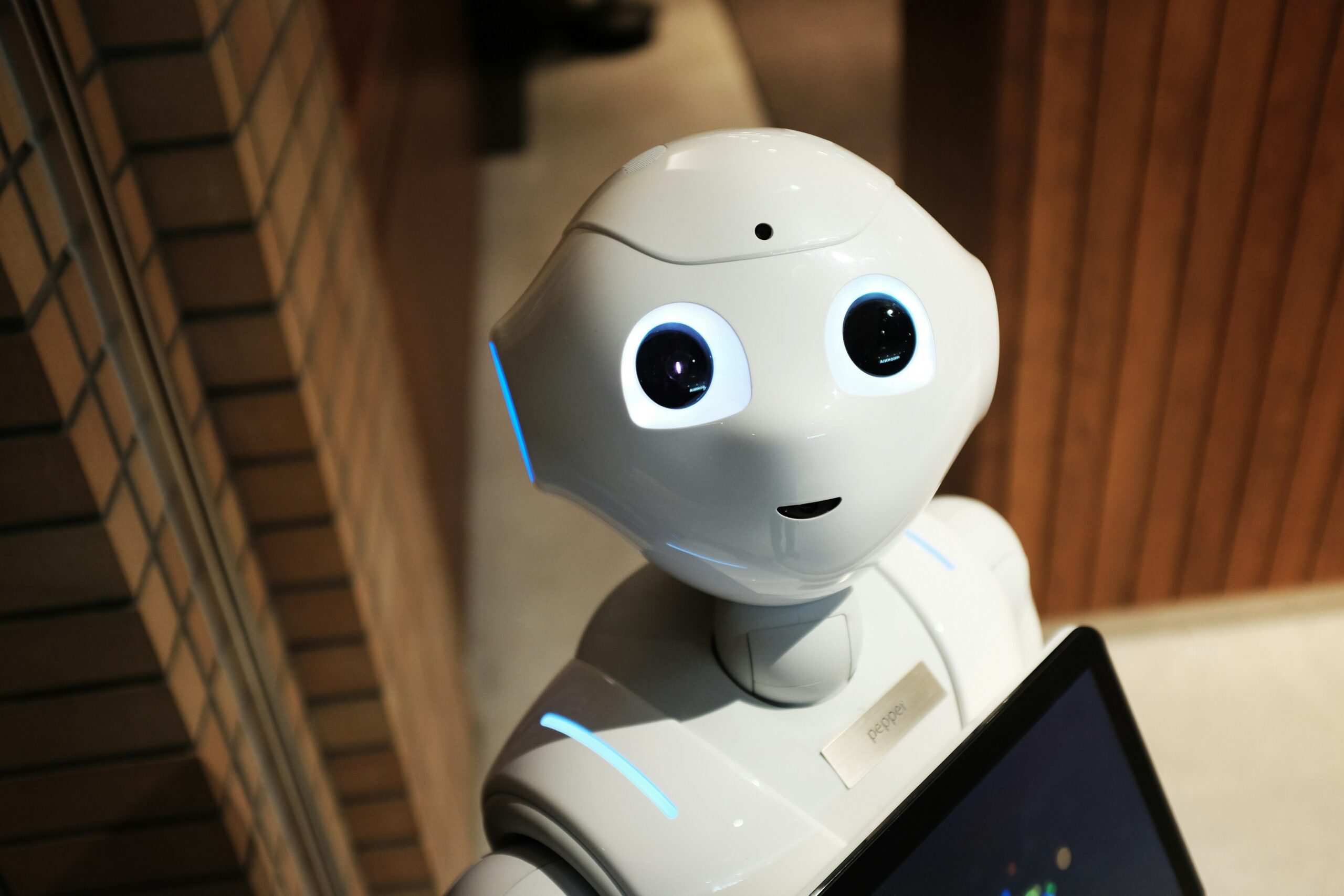
The hype cycle is officially over, and the deployment era has begun. As we push through Q3 2026, the restaurant tech ecosystem has completely abandoned the gimmicky “futuristic” pilot concepts in favor of brutal, high-ROI utility. We are no longer talking about humanoid robots serving tables for Instagram engagement; we are looking at the massive scaling of “Physical AI.” With major urban labor markets permanently sitting above the $18/hour threshold, automated kitchen platforms have transitioned from luxury innovations to mandatory operational infrastructure.
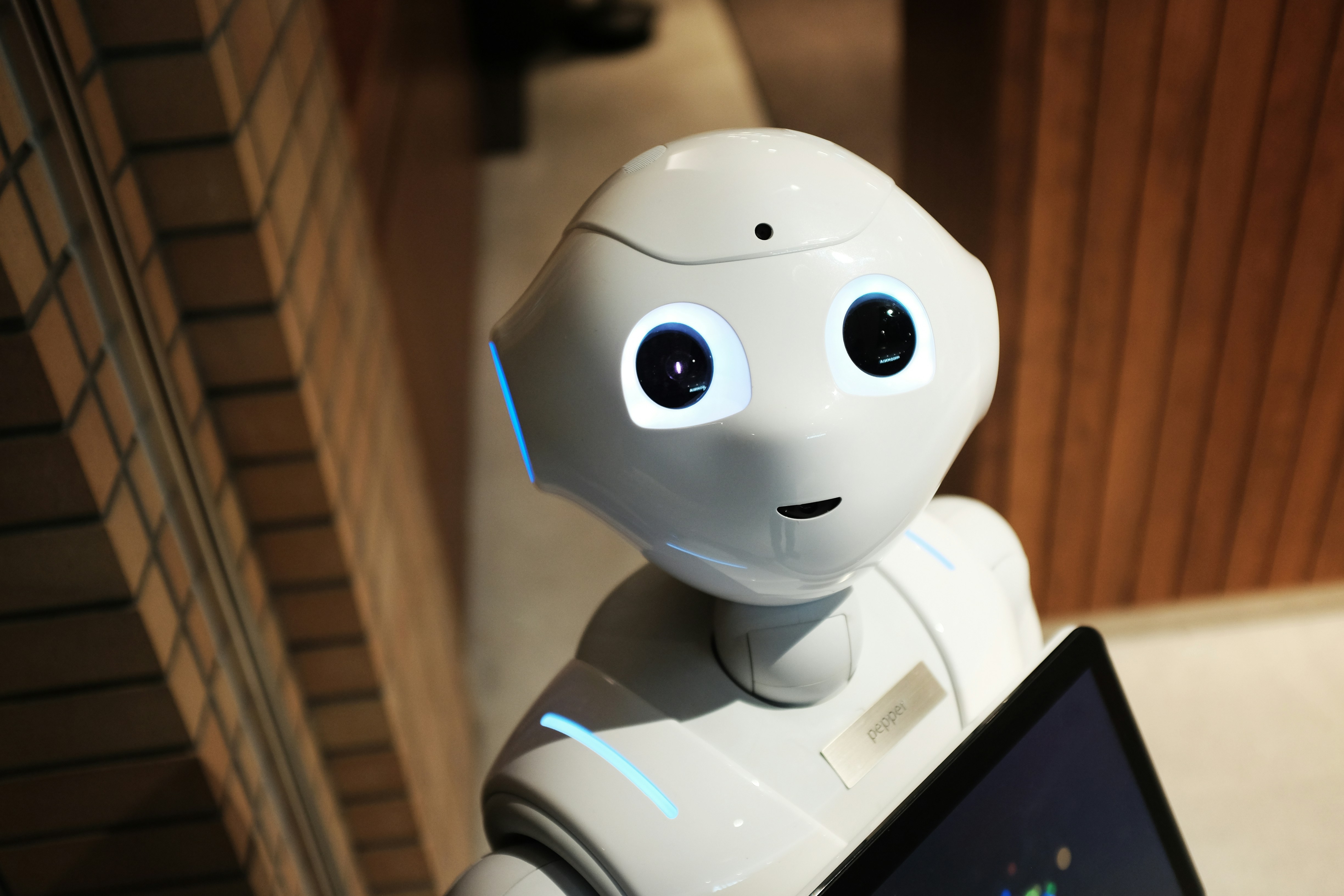
The defining technological leap of 2026 is the maturity of vision systems. Startups like Miso Robotics and Hyphen are deploying hardware that doesn’t just execute hard-coded movements, but actually “sees” and reacts to the kitchen environment in real time. These robotic “coworkers” can dynamically identify when a basket of fries is perfectly golden or adjust the assembly speed of a salad bowl based on live POS queue data. For the B2B operator, the math is incredibly compelling: these systems are consistently demonstrating a payback period of just 36 to 48 months, effectively capping long-term back-of-house payroll liability.
“We stopped trying to replace the chef and started trying to protect them,” explains Mark Volstead, CEO of a prominent kitchen automation startup. “The modern QSR kitchen is a high-stress manufacturing environment. Our Physical AI platforms handle the extreme heat, the repetitive motion, and the dangerous tasks, which allows the human operators to step back and manage quality control and hospitality. It is a symbiotic relationship, not a replacement strategy.”
Moving forward, the barrier to entry for automation is plummeting. The rise of Robotics-as-a-Service (RaaS) models means franchisees no longer need to front $100,000 in capital expenditure; they simply pay a monthly software subscription that equates to a fraction of a human hourly wage. For enterprise brands seeking to scale rapidly in a tight labor market, partnering with these AI-driven robotics startups is the only mathematically viable path to maintaining unit-level profitability.