The food and beverage (F&B) industry is at a critical juncture, navigating an increasingly volatile global landscape characterized by supply chain disruptions, escalating commodity prices, and stringent sustainability mandates. Amidst this complexity, the nascent field of ‘upcycling’ food sidestreams is transcending its initial environmental premise, evolving into a sophisticated domain of strategic resource optimization and value creation. Startups are not merely diverting waste; they are employing advanced biotechnological and data-driven approaches to unlock premium, functional ingredients, fundamentally reshaping procurement strategies and risk profiles for major F&B corporations.
This ‘new phase’ of upcycling signifies a profound shift from a cost-center approach to waste management towards a revenue-generating, supply chain diversification imperative. Historically, food sidestreams—such as fruit pomace, spent grains, or vegetable off-cuts—represented disposal costs and logistical burdens. Today, empowered by breakthroughs in enzymatic hydrolysis, precision fermentation, membrane filtration, and advanced solvent extraction, these materials are recognized as invaluable reservoirs of high-demand compounds: protein isolates, dietary fibers, natural colors, antioxidants, and functional oils. The strategic implication for the F&B sector is immense, offering a dual advantage of reducing environmental footprint while simultaneously enhancing supply chain robustness and potentially hedging against geopolitical and climate-induced commodity price volatility.
Technology Integration: The Engine of Premium Upcycling
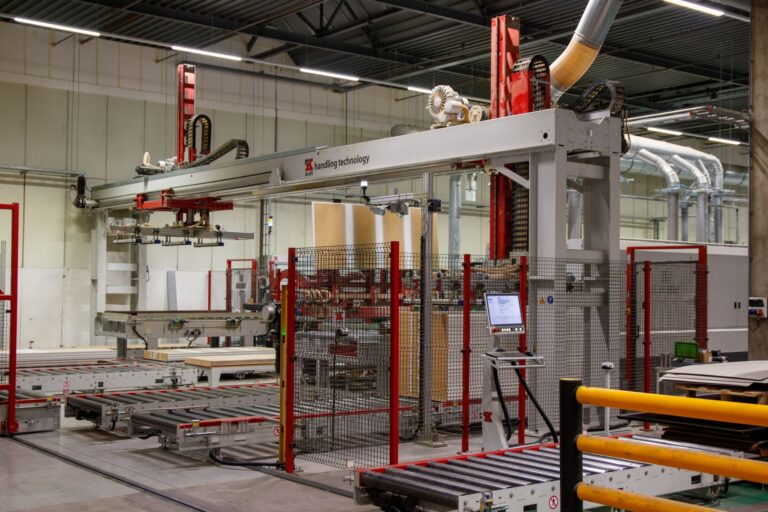
The transformation of upcycling from a niche sustainability initiative to a core strategic pillar is inextricably linked to technological advancements. The capability to fractionate complex sidestreams into distinct, high-purity components is a game-changer. For instance, processes like supercritical fluid extraction can isolate valuable polyphenols from grape pomace, while advanced fermentation techniques convert low-value sugars from molasses or fruit pulp into high-demand protein alternatives or specialty lipids. These technologies demand significant capital investment and specialized expertise, fostering a landscape where innovative startups often lead, positioning themselves as critical partners for established F&B giants lacking in-house capabilities.
Moreover, the integration of artificial intelligence (AI) and machine learning (ML) is rapidly becoming indispensable. AI algorithms can analyze vast datasets concerning sidestream composition, geographical availability, seasonal variations, and market demand for specific compounds. This data-driven approach optimizes collection logistics, predicts processing yields, and ensures consistent quality control—a vital factor for scaling up and meeting B2B specifications. Without robust data pipelines informing every step, from raw material sourcing to final ingredient formulation, the economic viability and scalability of premium upcycling would remain severely limited. This intelligence layer also enables predictive analytics for ingredient availability, further bolstering supply chain resilience.
Geopolitical Supply Chains and Logistics Risk Mitigation
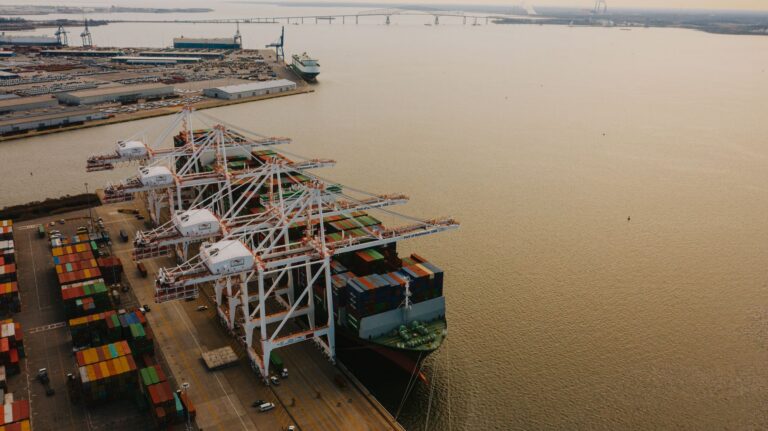
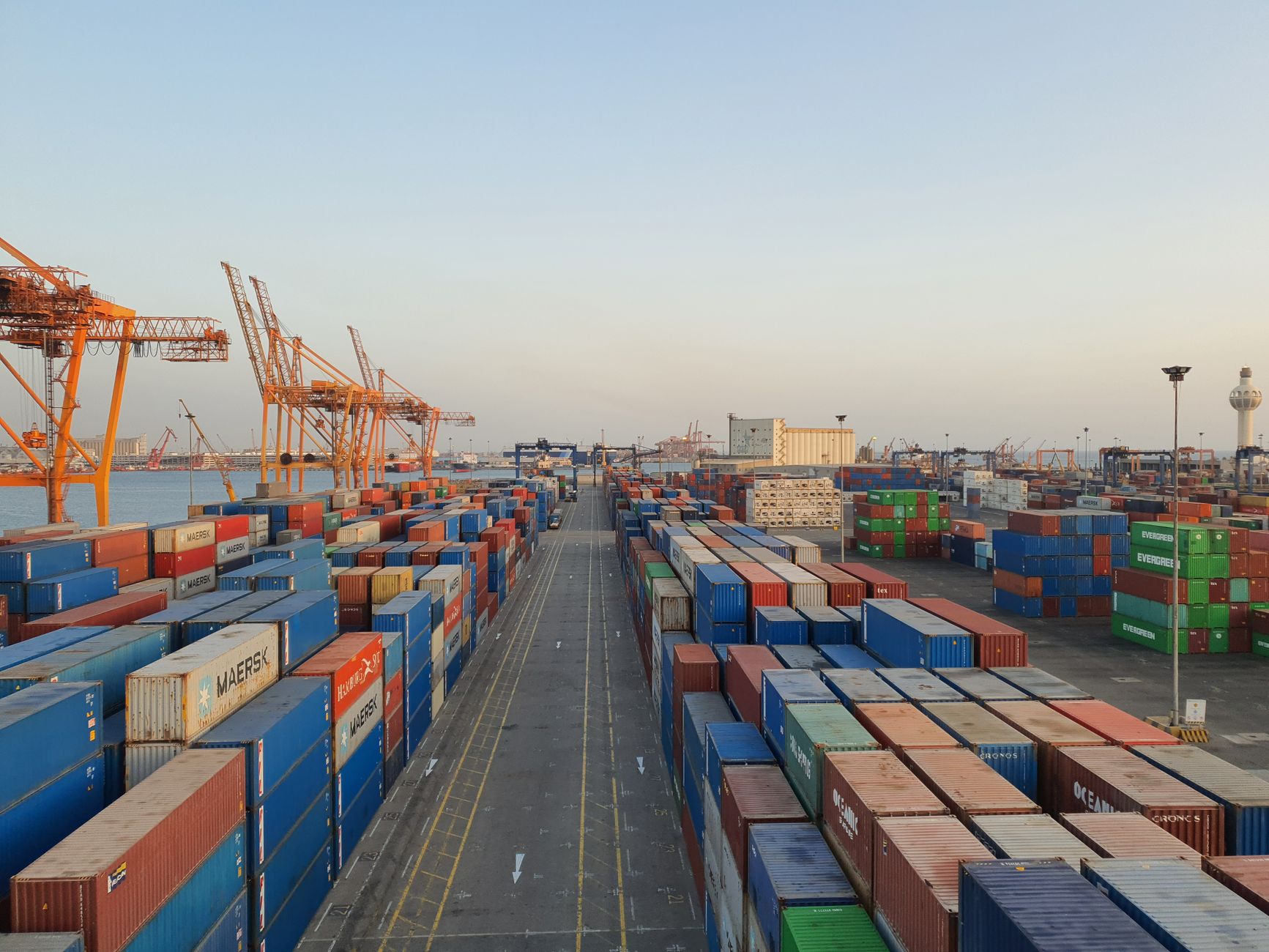
From a geopolitical supply chain perspective, the rise of upcycled ingredients offers a compelling strategy for de-risking. Traditional F&B supply chains are often globally dispersed, vulnerable to trade disputes, protectionist policies, extreme weather events, and localized agricultural failures. By leveraging domestically or regionally available sidestreams, companies can cultivate more localized and resilient ingredient sources. This decentralization reduces reliance on single-origin commodities, buffering against external shocks and improving national or regional food security.
However, upcycling introduces its own set of logistical complexities. Sidestreams are often decentralized and perishable, requiring efficient collection, storage, and transport networks. This is where sophisticated logistics planning and data analytics become paramount. Optimizing collection routes, cold chain management for sensitive materials, and establishing regional processing hubs are critical operational challenges that startups and their corporate partners must address. Predictive modeling, leveraging AI, can help manage the variability in sidestream generation, ensuring a steady supply for processing and minimizing spoilage. This focus on localized, data-optimized logistics also carries environmental co-benefits, such as reduced transportation emissions.
Global Hedging Strategies and Economic Imperatives
For F&B corporations, the strategic adoption of upcycled ingredients serves as a potent form of global hedging against commodity price volatility. As climate change intensifies and geopolitical instabilities persist, the prices of staple ingredients like soy protein, sugar, or specific oils are subject to dramatic fluctuations. By developing alternative ingredient sources from upcycled materials, companies can diversify their procurement portfolio, lessening their exposure to these market vagaries. This diversification translates directly to improved financial predictability and reduced input costs over the long term, offering a clear ROI beyond mere sustainability optics.
The economic imperative is further amplified by evolving consumer preferences and regulatory pressures. While sustainability is a driver, the ability of upcycling to deliver premium, functional ingredients—often with enhanced nutritional profiles or novel sensory attributes—opens new market segments and strengthens brand positioning. Companies investing in this space are not just buying ingredients; they are investing in future-proof business models that integrate circular economy principles with robust financial and operational performance.
The Path Forward: Investment, Standardization, and Collaboration
The trajectory of premium upcycled ingredients points towards increased investment, standardization, and collaborative ecosystems. Venture capital inflows into upcycling startups are accelerating, signaling strong market confidence. However, for widespread adoption, the industry needs to establish clearer regulatory frameworks for upcycled ingredient labeling, safety standards, and quality benchmarks. This standardization will build trust and facilitate seamless integration into existing product development pipelines.
Furthermore, the success of this ‘new phase’ hinges on strategic partnerships between sidestream generators (e.g., food manufacturers, agricultural processors), upcycling technology providers, and large F&B brand owners. These collaborations will enable efficient scaling, share technological expertise, and ensure consistent material flow. The competitive advantage will lie not just in possessing superior technology, but in building robust, transparent, and data-rich value chains that can reliably transform industrial byproducts into high-value market assets.
In essence, upcycling is no longer a peripheral sustainability endeavor; it is a central pillar in the F&B industry’s strategy for resilience, innovation, and profitability. Companies that embrace this shift, integrate advanced technologies, and meticulously manage their data pipelines for optimized logistics and risk mitigation, will be best positioned to thrive in the complex global food system of tomorrow.