Let’s not mince words: California’s new minimum wage law, AB 1228, is not just a ripple; it’s a financial tsunami hitting the state’s quick-service restaurant industry. With the fast-food minimum wage soaring to $20 an hour, effective April 1st, 2024, restaurant chains are scrambling, not merely adjusting. This isn’t about incremental cost increases; it’s a fundamental re-evaluation of every single operational lever. The brutal truth is, if you’re not aggressively defending your margins and pursuing lean operational efficiencies right now, you’re already behind. This isn’t just a California problem; it’s a playbook for the inevitable labor cost increases coming to a market near you.
The Unavoidable Truth: Costs Must Be Covered
The immediate and most visible reaction from several major chains has been predictable: price increases. We’ve seen reports of menu prices jumping anywhere from 5% to 15% across various establishments. While this is a necessary first line of defense to offset the sheer volume of increased labor expenses, it’s a temporary bandage, not a sustainable cure. Consumers have a breaking point, and frequent, significant price hikes risk alienating a customer base already stretched thin. The market dictates what it will bear, and restaurant operators relying solely on passing costs to the consumer are playing a dangerous game with sales volume and perceived value.
Beyond price, the impact on staffing levels is grimly practical. Some operators have publicly stated intentions to reduce hours or slow hiring. This isn’t malice; it’s a desperate attempt to maintain viability. When your largest controllable expense category suddenly inflates by 20% or more – an increase from $16/hour to $20/hour represents a 25% jump in base wages – you have to cut somewhere. And labor, unfortunately, is the largest variable cost in most restaurant models. We’re talking about potentially leaner teams, cross-training employees for multiple roles, and pushing for higher productivity per labor hour. This requires meticulous scheduling, performance management, and a culture that demands efficiency from every single team member.
Operational Reimagination: Leaner, Smarter, Faster
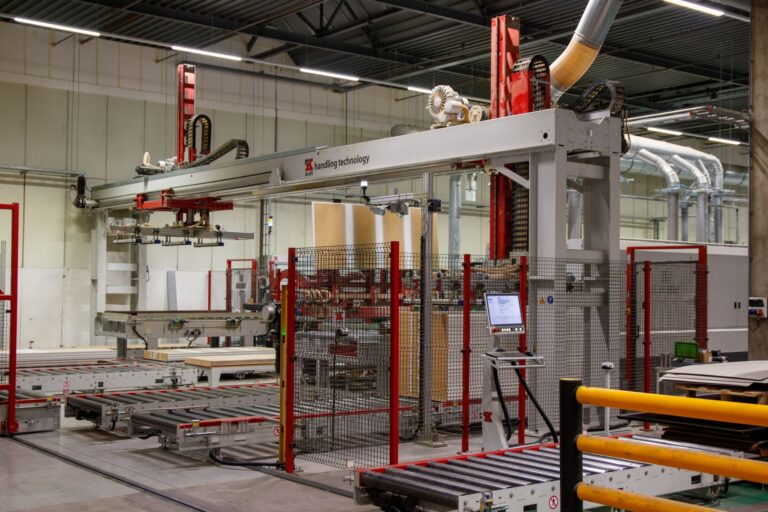
The real battle for survival and profitability isn’t just about cutting staff or raising prices; it’s about fundamentally rethinking the operational blueprint. For the chains reacting strategically, this means a deep dive into lean operations. We’re talking about process optimization that eliminates waste at every touchpoint – from inventory management to order fulfillment. Automation isn’t a futuristic dream anymore; it’s a present-day imperative. Drive-thru AI, automated fryers, self-ordering kiosks, and sophisticated inventory software are becoming less about competitive advantage and more about operational necessity to absorb labor costs without shattering the profit margin.
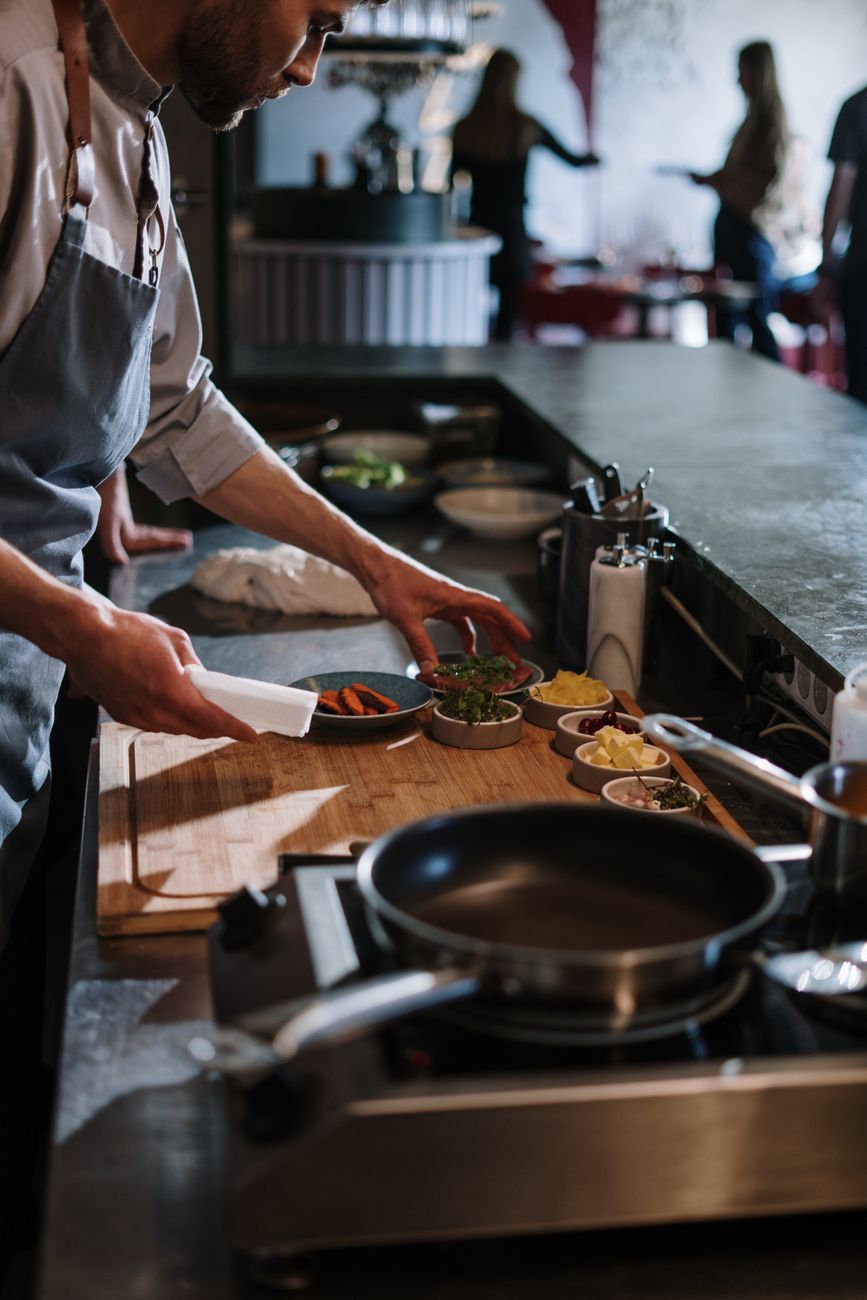
Consider the kitchen, the heart of any food operation. How can we make it more efficient? Can we simplify menu items to reduce prep time and required skill sets? Can we redesign workflows to minimize steps and maximize output per employee? This isn’t just about speed; it’s about precision. Every wasted movement, every redundant task, every underutilized piece of equipment now carries a heavier financial penalty. Chains are exploring smaller footprints, optimizing kitchen layouts, and investing in equipment that reduces manual labor or speeds up production.
The Strategic Imperative: Margin Protection
For those navigating this landscape, margin protection is the North Star. This isn’t a nebulous concept; it’s a tangible objective requiring continuous analysis and aggressive action. Operators need real-time data on sales, labor costs, food costs, and waste to make informed decisions. Static budgets are dead. Dynamic forecasting and agile adjustments are the new standard. Are you tracking labor efficiency ratios religiously? Are you optimizing your ingredient sourcing to mitigate food cost inflation, which often accompanies wage hikes?
The shift also forces a critical look at technology adoption. It’s not enough to have a POS system; you need one that integrates with your labor management, inventory, and demand forecasting tools. Predictive analytics can help schedule staff based on anticipated demand, minimizing overstaffing during slow periods and ensuring adequate coverage during rushes, maximizing the efficiency of every dollar spent on wages.
Furthermore, some chains are slowing their expansion plans or re-evaluating their presence in California altogether. This is a cold, hard business decision. If the return on investment for new locations is diminished due to prohibitive labor costs, capital will flow to more favorable markets. This has broader implications for local economies and job creation within the state, a consequence often overlooked in the rush to legislate.
Beyond California: A Warning Shot for the Industry
What’s happening in California is a bellwether for the entire restaurant industry. Labor costs are on an upward trajectory nationwide, driven by inflation, legislative action, and a competitive talent market. The lessons learned by these six chains – and countless independent operators – are crucial for anyone looking to build a resilient and profitable business model in the coming decade.
It demands a shift from reactive problem-solving to proactive operational design. This means investing in training to elevate employee skills, which in turn justifies higher wages through increased productivity. It means fostering a culture of efficiency and accountability. It means relentlessly pursuing every opportunity to streamline processes, leverage technology, and eliminate waste. The businesses that survive and thrive won’t be the ones that just raise prices; they’ll be the ones that master lean operations, protect their margins with an iron fist, and intelligently adapt to an ever-evolving labor environment. The time for hand-wringing is over. The time for aggressive, strategic action is now.