Let’s not mince words: California’s new $20 per hour minimum wage for fast food workers isn’t some abstract economic theory to debate in a university hall. It’s a seismic event, a blunt force trauma delivered straight to the P&L statements of every quick-service restaurant (QSR) operator in the Golden State. The UC Santa Cruz analysis provides a backdrop, sure, but for those of us on the ground, dealing with rising costs and razor-thin margins, this isn’t a forecast—it’s a present and immediate operational reckoning. This isn’t just about paying more; it’s about fundamentally rethinking how every dollar is earned, spent, and defended in the cutthroat world of fast food.
The Crushing Weight of Labor Costs: Margin Defense is Paramount
The math is simple, brutal, and undeniable. A 25% increase from the previous $16 state minimum wage, or even more from local rates, directly translates into a monumental surge in kitchen labor costs. For many QSRs, labor already constitutes 25-35% of their total operating expenses. Adding this significant hike without proportional revenue growth means only one thing: margin erosion on a grand, irreversible scale. Operators who fail to grasp this reality are already on a one-way trip to insolvency. This isn’t a suggestion for adaptation; it’s a survival imperative. Every decision, from menu pricing to waste management, must now be filtered through the lens of margin defense. Ignore it at your peril.
Operational Overhaul: Lean, Mean, and Automated Machines
For years, we’ve preached the gospel of Lean Operations. Now, it’s no longer a strategic advantage—it’s the bare minimum for staying in the game. What does this look like on the ground? It’s a multi-pronged assault on inefficiency:
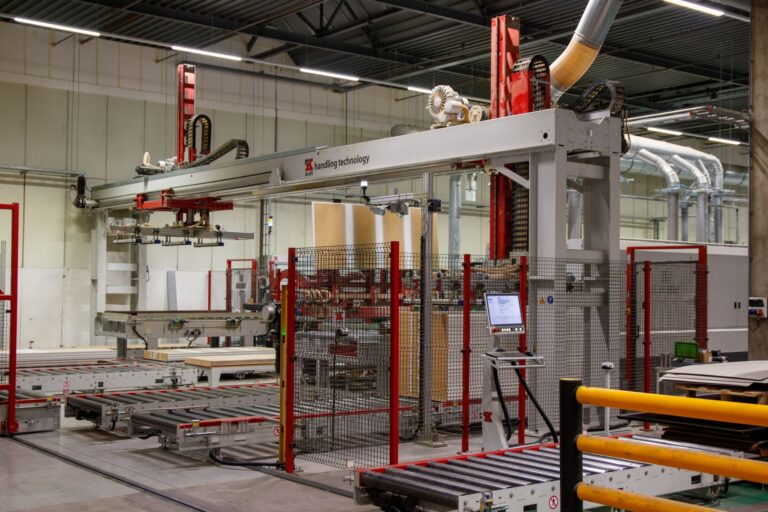
- Automation as a Non-Negotiable: Forget kiosks being an optional add-on. They are now frontline soldiers reducing order-taking labor. Robotic fryers, automated drink dispensers, and AI-driven inventory management systems are no longer futuristic concepts; they are the immediate future of cost control. If a task can be automated, it will be. This isn’t about replacing people for the sake of it; it’s about replacing tasks that no longer make financial sense for human hands at $20 an hour.
- Staffing Rationalization: This is where it gets uncomfortable. Increased wages inevitably lead to a re-evaluation of staffing levels. Expect to see fewer employees on shift, optimized scheduling to the minute, and a greater demand for multi-skilled workers. The days of dedicated “fry guy” or “drink station” roles are fading. Every employee must be capable of rotating through multiple positions, maximizing their productivity output for every dollar spent. This isn’t a punitive measure; it’s a cold, hard business decision forced by external pressures.
- Menu Engineering & Price Elasticity: Raising prices is the most obvious, but often riskiest, first response. While some price increases are unavoidable, operators must rigorously analyze their menu. What items have the highest profit margins? What items are labor-intensive but low-margin? Can high-labor items be simplified or removed? There’s a delicate balance here; push prices too high, and customers will walk. Understanding your customer’s price elasticity is critical—and often underestimated. Value propositions will shift dramatically, forcing innovation in bundled offers and loyalty programs that justify the new price point.
- Supply Chain Optimization: Every penny counts. Negotiating harder with suppliers, exploring new vendors, and optimizing delivery schedules to reduce receiving labor will become even more crucial. Waste reduction isn’t just good for the environment; it’s now an absolute necessity for the bottom line.
The Shifting Labor Landscape: A Double-Edged Sword
While the new wage is lauded as a win for workers, the reality on the ground will be far more nuanced—and potentially brutal for others. Yes, some fast food workers will see a significant pay increase, offering a pathway to better living. However, this comes at a cost:
- Job Displacement: The most immediate consequence of automation and staffing rationalization is the potential for job cuts, particularly in entry-level positions. The industry will need fewer, more skilled, and more efficient workers. This creates a tougher barrier to entry for new job seekers.
- Increased Competition for Quality Labor: For the workers who remain, or those entering the field, the bar will be significantly higher. Employers will demand more experience, greater efficiency, and a broader skill set to justify the $20 wage. This could professionalize the fast food workforce, but it will also intensify competition for those coveted roles.
- Ripple Effect on Other Sectors: The $20 fast food wage isn’t happening in a vacuum. Other low-wage sectors—retail, hospitality, non-QSR restaurants—will face immense pressure to raise their own wages to compete for talent. This “California effect” could spread, forcing broader wage inflation across industries and creating a new set of operational challenges for businesses not directly impacted by the fast food bill.
Strategic Implications: Consolidation and Innovation
This wage hike isn’t just about individual store operations; it will reshape the competitive landscape. Smaller, independent fast food operators are particularly vulnerable. Lacking the capital for significant automation investments or the negotiating power of larger chains, many will struggle to absorb these increased costs, potentially leading to closures or acquisitions. This could accelerate market consolidation, favoring well-capitalized multi-unit operators and national brands. Franchisors, too, will face immense pressure to provide robust support, technology, and operational guidance to their franchisees to navigate this new terrain.
Furthermore, expect to see an explosion of innovation. Not just in technology, but in business models. Ghost kitchens, optimized delivery-only concepts, and even new menu strategies designed specifically to reduce labor input will gain traction. The industry is being forced to innovate at an unprecedented pace, and those who fail to adapt will be left behind.
The Unavoidable Future: Adapt or Perish
The UC Santa Cruz study, like many others, attempts to model the economic ramifications. But for the boots-on-the-ground operator, the time for modeling is over. The $20 fast food wage is here. This isn’t a challenge for tomorrow; it’s a crisis demanding immediate, decisive action today. Businesses must shed sentimentality, embrace ruthless efficiency, and aggressively pursue Lean Operations and automation. Those who can recalibrate their entire operational blueprint—from the kitchen line to the balance sheet—will survive and perhaps even thrive in this new, more demanding environment. Those who cannot, or will not, will simply become another statistic in California’s bold, and potentially brutal, economic experiment. The message is clear: adapt, or face inevitable irrelevance.