California’s fast-food industry is facing a brutal reckoning. Barely six months after the state mandated a $20 minimum wage for quick-service restaurant workers, the economic fallout is undeniable and severe. Nearly 10,000 fast-food jobs have vanished across the Golden State, a stark and immediate consequence that underscores the razor-thin margins and operational realities of the sector.
This isn’t an abstract economic theory; it’s a cold, hard number representing livelihoods lost and businesses forced to make impossible choices. The data, reported by independent.org citing figures from the Bureau of Labor Statistics, confirms what many industry veterans predicted: a sharp increase in labor costs, unchecked by corresponding revenue growth, leads directly to operational contraction. For operators in a sector defined by volume and efficiency, this isn’t merely an inconvenience; it’s an existential threat demanding a ruthless re-evaluation of every cost center.
The Unavoidable Truth: Costs Must Be Cut
When labor costs jump by as much as 25% overnight – a figure some operators have reported – the playbook for survival becomes brutally simple: cut costs or close up shop. Fast-food businesses, from the largest chains to the smallest franchisees, are not charitable organizations. They are lean machines engineered for efficiency, where every dollar spent on wages, ingredients, and overhead is scrutinized for its return.
The 10,000 job losses are not just random dismissals; they are the direct result of strategic decisions made by business owners grappling with an unsustainable economic model. These decisions manifest in several critical areas:
- Staffing Reductions: Fewer employees per shift, eliminating non-essential roles, and pushing existing staff to take on broader responsibilities.
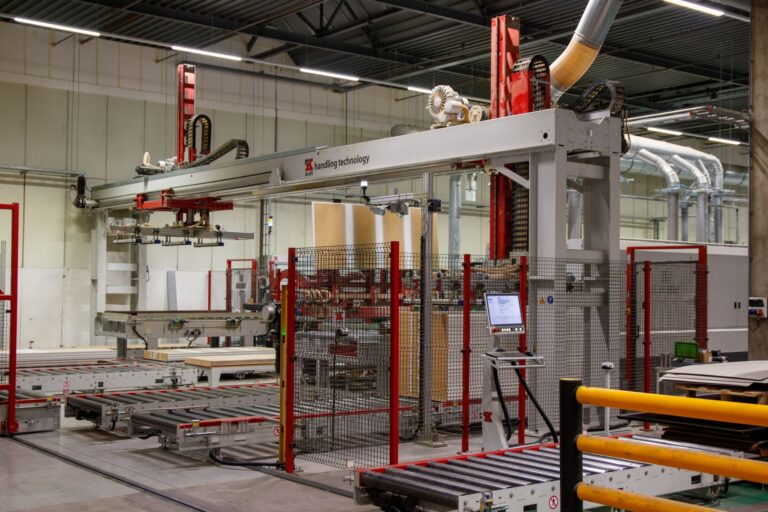
- Automation Acceleration: A rapid pivot towards self-ordering kiosks, robotic fryers, AI-powered drive-thrus, and other technologies that reduce reliance on human labor.
- Operational Streamlining: Simplifying menus, reducing hours of operation, and cutting back on service complexity to minimize labor requirements.
- Price Hikes: Passing increased costs onto consumers, a strategy that risks alienating customers and dampening sales volume.
Each of these measures, while necessary for margin defense, comes with its own set of challenges and implications for both the business and the wider community.
Automation: From Future Trend to Present Imperative
For years, automation in the fast-food industry was a slowly evolving trend. The $20 minimum wage has effectively pressed the accelerator pedal to the floor. Technologies that might have been years away from widespread adoption are now being implemented at breakneck speed. This isn’t about innovation for its own sake; it’s about survival through substitution.
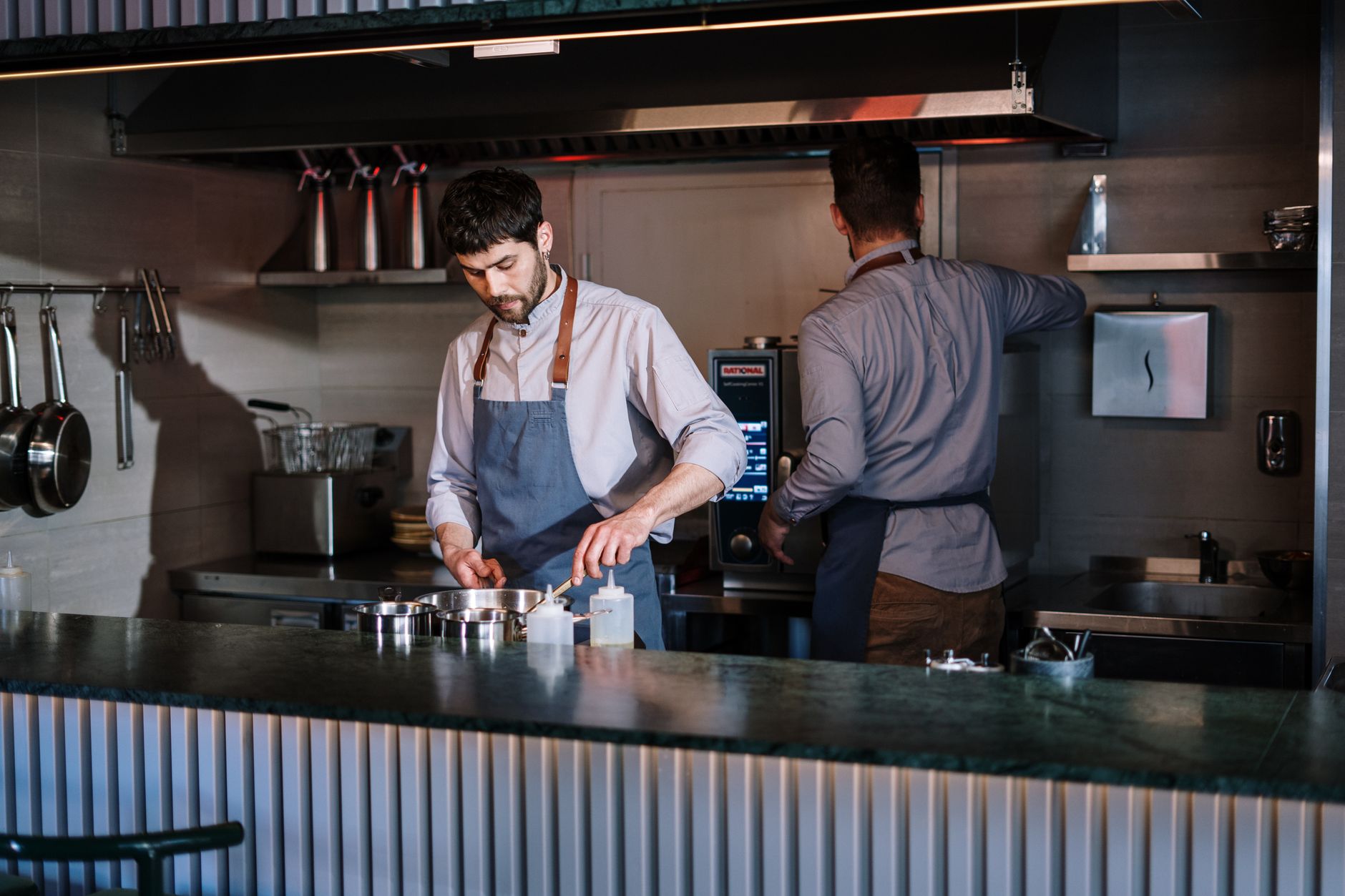
Consider the impact on the traditional fast-food kitchen. With higher wages, the efficiency of every human touchpoint is under intense scrutiny. A task performed by a $20/hour employee must yield demonstrably higher value than one performed by a machine that requires a one-time capital investment and minimal ongoing operational cost. This drives investment in automated food prep, advanced inventory systems, and front-of-house kiosks that can handle orders and payments without human intervention.
The shift is profound. It’s transforming the very nature of fast-food employment, potentially creating a demand for skilled technicians to maintain these systems, but significantly reducing the need for entry-level manual labor. For an industry that has historically been a gateway for first-time job seekers, the implications are particularly grim.
The Margin Squeeze: A Business Imperative
The fast-food industry operates on notoriously tight margins. A typical quick-service restaurant might see net profit margins anywhere from 3% to 6% – sometimes even lower. A sudden, significant increase in the largest operational expense category, labor, can easily erode these margins entirely, pushing businesses into the red.
Operators are not just looking for marginal improvements; they’re searching for systemic efficiencies. This involves more than just cutting staff. It means optimizing ingredient costs, negotiating harder with suppliers, squeezing every ounce of productivity from remaining employees through enhanced training and cross-skilling, and ruthlessly eliminating any operational slack.
Margin defense is paramount. For many franchisees, who often operate on even thinner margins than corporate-owned stores, the ability to absorb such a shock is limited. Their struggle highlights the broader vulnerability of small and medium-sized businesses within the broader F&B ecosystem.
The California Effect: A Warning Shot for Other States
What happens in California rarely stays in California. Other states and municipalities considering similar wage hikes are undoubtedly watching this unfolding scenario with keen interest. The rapid job losses serve as a powerful cautionary tale: well-intentioned policy can have immediate, tangible, and often adverse consequences for the very workers it seeks to help, not to mention the businesses that employ them.
The Californian experience forces a crucial re-evaluation of the long-term impact of such policies on industry growth, investment, and job creation. Will fast-food chains hesitate to expand or even maintain their presence in California? The answer, for many, is already becoming clear: growth opportunities will shift to areas with more favorable economic climates and labor cost structures.
This isn’t just about fast food. It’s a fundamental lesson in labor economics and operational strategy for the entire food and beverage sector. Any business reliant on a high volume of low-margin transactions must understand that dramatic shifts in its largest cost centers will necessitate equally dramatic operational responses.
The Path Forward: Brutal Efficiency and Strategic Adaptation
For California’s fast-food operators, the message is unambiguous: adapt or face obsolescence. The era of cheap, abundant labor in this sector, at least in California, appears to be over. The industry is now entering a phase where every operational decision must be viewed through the lens of maximizing output with minimal human input.
This means a greater emphasis on data analytics to optimize scheduling, inventory, and even menu design. It means investing heavily in training for a smaller, more skilled workforce capable of operating advanced machinery. It means relentless innovation in kitchen design and workflow to shave seconds and steps off every process.
The loss of nearly 10,000 jobs in such a short period is a harsh indicator of the new normal. It’s a wake-up call for every operator in the F&B space to critically examine their labor models, embrace technology, and double down on lean operations. The market, as always, is unforgiving, and only the most efficient and adaptable will survive and thrive in this rapidly evolving landscape.