California’s restaurant industry is bracing for an operational seismic shift. Effective April 1, 2024, the state’s fast-food workers are mandated a $20 minimum wage. This isn’t just another incremental bump; it’s a monumental leap that will fundamentally rewire the economics of quick-service and limited-service establishments across the state. For restaurant chains, from regional powerhouses to national brands, this isn’t a negotiation point – it’s an existential challenge demanding immediate, aggressive adaptation to protect razor-thin margins and ensure continued viability.
The implications are stark and immediate. Labor costs, already the largest variable expense for most restaurants, are set to inflate dramatically. This isn’t simply about paying entry-level staff more; it creates a ripple effect, forcing chains to adjust wages for mid-tier employees to maintain pay equity and prevent internal friction. For operators, particularly those in the quick-service sector where labor can constitute 25-35% of revenue, an immediate 25% increase in base wages for a significant portion of their workforce translates directly into a brutal assault on profitability. Survival hinges on an uncompromising commitment to lean operations.
The Unavoidable Equation: Price Hikes and Menu Engineering
The most immediate and often least palatable response is a price increase. Don’t kid yourselves; chains aren’t absorbing this cost without passing some of it on. But it’s a delicate dance. Raise prices too much, and you risk alienating a customer base already feeling the pinch of inflation. Raise them too little, and you bleed cash. The savvy operators are implementing strategic price adjustments, often focused on high-margin items or bundling deals that mask the true increase. Menu engineering becomes critical: identifying underperforming items, simplifying offerings to reduce prep time and waste, and emphasizing dishes with better ingredient cost-to-sale ratios. Every menu item must now earn its keep more rigorously than ever before.
Many chains are looking closely at their entire menu matrix. Can a dish be made with fewer, cheaper ingredients without sacrificing perceived value? Can portion sizes be optimized? This isn’t about being cheap; it’s about being smart. In this environment, every ingredient, every recipe step, and every second of prep time needs to be justified. Complexity is the enemy of efficiency, and inefficiency is now a direct path to the red.
Operational Overhaul: The Lean Imperative
This $20 wage mandate is the ultimate accelerant for operational lean principles. Chains that have merely flirted with efficiency are now forced to embrace it wholeheartedly. This means a multi-pronged attack on waste – time, labor, and materials.
Technology Adoption: Automation as a Necessity, Not a Luxury
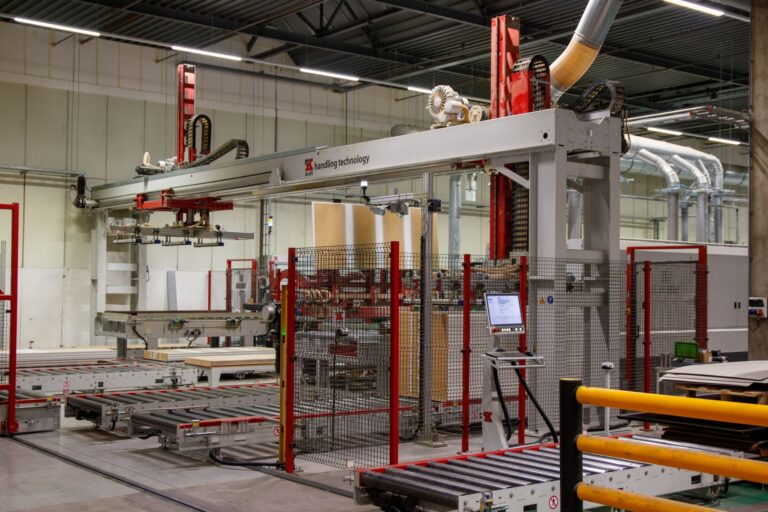
Expect a significant uptick in technology integration aimed at reducing labor dependency. Self-ordering kiosks, mobile ordering apps, and advanced kitchen display systems are no longer competitive differentiators; they’re becoming baseline requirements. We’re seeing more chains invest in automated beverage dispensers, fry stations, and even limited robotics for repetitive tasks. While full-scale robotic kitchens are still niche, the modular automation of specific tasks is rapidly expanding. The goal is simple: shift tasks from human hands to machines wherever possible, freeing up valuable labor for tasks that genuinely require human interaction or expertise, or, more bluntly, reducing the total labor hours required.
Streamlining Back-of-House and Front-of-House Workflows
Beyond technology, the focus is on optimizing every step of the operational process. Cross-training employees to handle multiple roles becomes paramount. A single employee who can seamlessly transition from taking orders to prepping food or cleaning is more valuable than two specialized workers. Kitchen layouts are being re-evaluated for maximum efficiency, minimizing steps and wasted movement. Inventory management systems are being tightened to reduce shrinkage and ensure precise ordering, because every wasted ingredient is a direct hit to the bottom line that can no longer be absorbed.
For the front-of-house, this means refining order accuracy, improving speed of service, and minimizing downtime. Every minute an employee spends idle, or correcting an error, is now exponentially more expensive. Chains are also optimizing shift schedules with surgical precision, leveraging data analytics to predict demand and staff accordingly, avoiding overstaffing during slower periods.
The Franchisee’s Burden
While corporate chains have resources to pivot, their franchisees, often smaller business owners, face an even steeper climb. Many operate on thinner margins, with less access to capital for extensive tech upgrades or significant operational overhauls. The corporate mandates for wage increases, combined with the difficulty of immediate, drastic price increases, put immense pressure on these independent operators. This could lead to a wave of closures among less adaptable franchisees or force corporate parents to offer unprecedented levels of support.
The Human Element: A Double-Edged Sword
While the $20 wage offers a significant pay boost to employees, the operational adjustments required to sustain it will undoubtedly impact the labor environment. Employees may see fewer hours, increased workloads for those remaining, and a faster shift towards automation in their roles. Job security might ironically become more tenuous as businesses push to reduce headcount or replace tasks with technology. The challenge for chains will be to manage this transition with transparency and invest in training to upskill their remaining workforce, making them indispensable in a leaner, more efficient operation.
The Road Ahead: A New Standard for Survival
The $20 wage in California isn’t just a regulatory change; it’s a crucible for the restaurant industry. It will separate the truly lean, adaptable, and forward-thinking operators from those clinging to outdated models. Expect to see consolidation, intensified competition, and a relentless pursuit of efficiency becoming the non-negotiable standard. Those who fail to adapt with brutal efficiency and strategic vision will simply not survive. This isn’t a warning; it’s a field report from the front lines: the game has changed, and only the most disciplined operations will emerge viable.