The $20 minimum wage mandate isn’t just a discussion point from publications like Comstock’s magazine; it’s a brutal, unforgiving stress test that’s already playing out across every kitchen and counter in the food and beverage industry. For operators, this isn’t about adjusting a few line items; it’s about a fundamental re-evaluation of every operational facet, from the prep line to the payroll. The truth is stark: thin margins, already battling inflation and supply chain woes, are now under direct assault. Adapt, innovate, or risk liquidation. There’s no middle ground left.
The Immediate Crunch: Payroll, Prices, and Pushback
Let’s not mince words. The ink on the new minimum wage legislation isn’t even dry for some, but its impact is already being felt like a punch to the gut. Labor costs, typically the largest controllable expense for restaurants, have surged by a significant percentage overnight. For a business barely scraping by on 3-5% profit margins, a 25% (or more) increase in base wages for a substantial portion of the workforce is simply unsustainable without aggressive counter-measures.
The most immediate, visible response has been price hikes. Consumers are already seeing menu prices climb, an inevitable pass-through of increased operating costs. But this isn’t a magic bullet. There’s a delicate equilibrium between covering costs and alienating your customer base. Push prices too high, and foot traffic dwindles, exacerbating the problem. Operators are caught between the rock of rising labor expenses and the hard place of consumer price sensitivity. This isn’t theoretical economics; it’s the daily reality of managing a P&L that’s suddenly hemorrhaging.
Operational Overhaul: The New Reality on the Line
Survival in this new landscape demands nothing short of a complete operational overhaul. We’re talking about radical shifts, not incremental tweaks. Lean operations are no longer a philosophy; they are the sole path to solvency.
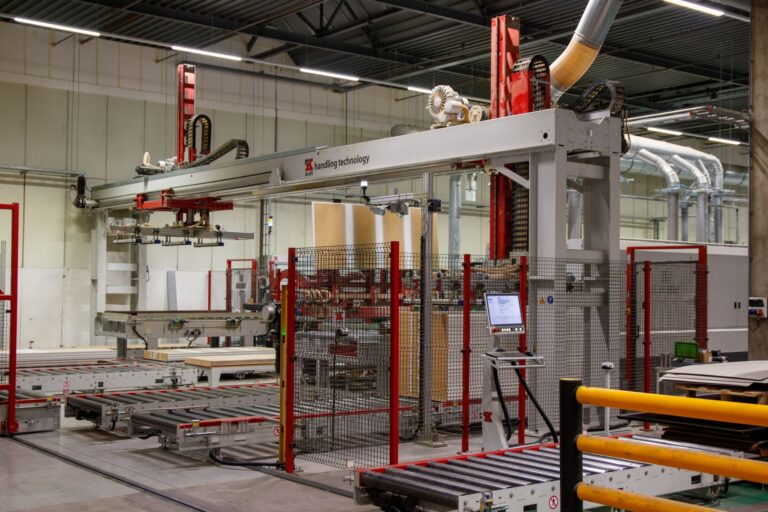
- Automation as a Necessity: Kiosks aren’t just for convenience anymore; they’re essential labor cost reducers. Robotic fryers, automated coffee machines, and inventory management systems aren’t future tech; they’re immediate investments. Every task that can be automated, will be. This reduces headcount and increases consistency, directly tackling the wage burden.
- Menu Engineering with a Vengeance: Forget sprawling menus with niche items. Operators are ruthlessly pruning their offerings, focusing exclusively on high-margin, easy-to-prepare dishes. Complexity is the enemy of efficiency. Expect simpler menus, fewer ingredients, and standardized recipes designed for maximum output with minimal skilled labor. Some are even shrinking portion sizes or eliminating high-labor menu items altogether.
- Staffing Model Revolution: Multi-skilling is no longer a bonus; it’s a job requirement. Every remaining employee must be capable of handling multiple roles – from cashier to food runner, prep cook to dishwasher. Front-of-house staff are being streamlined, with the expectation that customers will self-serve more. Back-of-house teams are being condensed, demanding higher productivity and efficiency from fewer hands. This isn’t about cutting corners; it’s about optimizing every single labor hour.
- Technology Integration: Beyond automation, smart scheduling software, real-time inventory tracking, and AI-driven demand forecasting are becoming critical. The goal is to eliminate waste, prevent overstaffing, and ensure every ingredient purchased translates directly into revenue, not spoilage.
The Brutal Math: Margins Under Siege
The financial implications extend beyond raw wage increases. Payroll taxes, workers’ compensation premiums, and even general liability insurance, which are often tied to payroll, all escalate proportionally. These are the ‘hidden’ costs that erode margins even further, often catching less experienced operators off guard. Businesses are forced to become capital-intensive, investing heavily in technology and equipment to offset labor costs, a move that requires significant upfront capital that many independent operators simply don’t have. This creates a widening chasm between well-capitalized chains and vulnerable mom-and-pop shops.
Furthermore, the increased cost structure is pushing many businesses to reconsider their operating hours, especially during traditionally slower periods. Closing earlier, reducing days of operation, or even shifting to a grab-and-go model can cut down on labor costs during non-peak times, but it also means sacrificing potential revenue. It’s a lose-lose situation that operators are being forced into.
Labor Dynamics: Less Headcount, More Pressure
Ironically, while the intent of the $20 minimum wage was to uplift workers, the immediate practical effect for many has been job reductions. Businesses cannot absorb such a cost increase without shedding labor. This means fewer entry-level positions, increased competition for remaining roles, and higher expectations placed on a smaller workforce. The remaining staff, now earning more, are under immense pressure to perform with greater efficiency and broader skill sets. For those who remain, the work environment becomes more demanding, often with less camaraderie due to leaner teams.
The industry is seeing a consolidation of roles and a greater premium placed on highly efficient, adaptable individuals. Those who can’t meet the new, elevated productivity standards will find themselves on the outside looking in. This isn’t about malice; it’s about pure economic survival. Every dollar spent on labor must now deliver demonstrably more value.
Strategic Survival: Lean, Mean, and Agile
For the food and beverage industry, the $20 minimum wage is not a temporary hurdle; it’s the new operating baseline. Businesses that thrive will be those that embrace aggressive lean methodologies, invest strategically in technology, and fundamentally rethink their value proposition. This means:
- Process Optimization: Every single step in food preparation, service, and clean-up must be scrutinized for inefficiencies. Waste – of time, ingredients, and labor – is a direct drain on profitability.
- Supplier Negotiation: Operators must leverage purchasing power, explore new vendors, and negotiate harder than ever to secure the best prices for ingredients, mitigating cost increases wherever possible.
- Revenue Diversification: Beyond dine-in, exploring catering, meal kits, and product sales can create additional revenue streams that help absorb increased labor costs.
The days of ‘business as usual’ are over. This isn’t a policy debate for the F&B sector; it’s a full-blown operational crisis demanding immediate, decisive action. The only way forward is through relentless efficiency, innovation, and an unwavering focus on defending those razor-thin margins. Operators who fail to grasp this harsh reality will simply not survive the next few years. The field is being cleared, and only the leanest will stand.