The global trade environment in Q3 2026 remains a volatile geopolitical battlefield, forcing multinational restaurant brands to urgently re-evaluate their cross-border logistics. Yet, amidst the escalating tariff threats and regulatory friction between Washington and Beijing, Starbucks has constructed a masterclass in supply chain insulation. The crown jewel of this defensive strategy is the Coffee Innovation Park (CIP) in Kunshan, China. By successfully separating this massive, ‘bean-to-cup’ vertical integration hub from recent retail joint venture restructuring efforts, Starbucks corporate has explicitly secured direct control over its most critical non-retail asset in Asia.

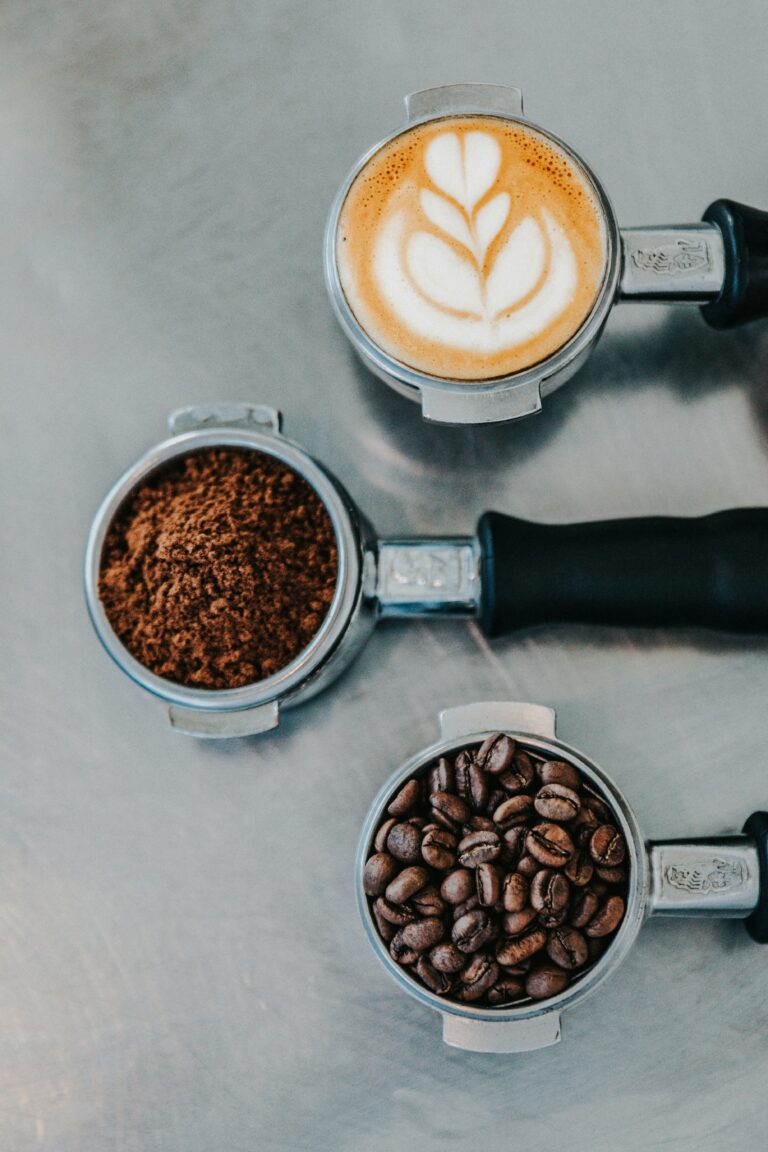
The CIP is not merely a roasting plant; it is a high-tech fortress designed for total domestic self-sufficiency. By importing raw green beans and handling 100% of the roasting, packaging, and digital distribution logistics locally, Starbucks effectively bypasses the vulnerabilities inherent in a fragmented, trans-Pacific supply chain. This localized, closed-loop infrastructure is powered by advanced digital carbon management systems, allowing the brand to meet both aggressive sustainability targets and relentless unit expansion demands in real-time, completely insulated from external macroeconomic shocks.
“What Starbucks is executing in Kunshan is the ultimate geopolitical hedge,” reports Dr. Victor Lin, a supply chain technology analyst tracking U.S. multinationals in Asia. “In 2026, a fragmented supply chain is a fatal liability. By retaining absolute corporate ownership of the CIP while navigating retail equity partnerships elsewhere, Starbucks has decoupled its production engine from retail market volatility. They are sourcing, manufacturing, and distributing at a massive scale without ever crossing a contested border. It is supply chain architecture as a form of diplomacy.”

As domestic competitors like Luckin Coffee continue their aggressive retail saturation, Starbucks’ structural advantage lies in the unassailable efficiency of the CIP. For other QSR executives watching from the sidelines, the lesson is stark: you cannot compete in a complex geopolitical theater relying on outsourced, cross-border logistics. True market dominance in 2026 requires owning the hardware on the ground.