If you want to understand the maturation of food-tech in 2026, you need to look at Sweetgreen’s absolute masterclass in capital allocation. For years, the narrative was that to be a ‘tech-forward’ restaurant, you had to physically own the technology stack from end to end. Sweetgreen just flipped that script. By strategically offloading ‘Spyce’—their proprietary robotics subsidiary—to Wonder Group for a massive $186 million, they didn’t abandon automation. They effectively subsidized it. They dumped the heavy R&D burn rate while securing a long-term, cost-plus licensing agreement to keep deploying the ‘Infinite Kitchen’ hardware across their own network.

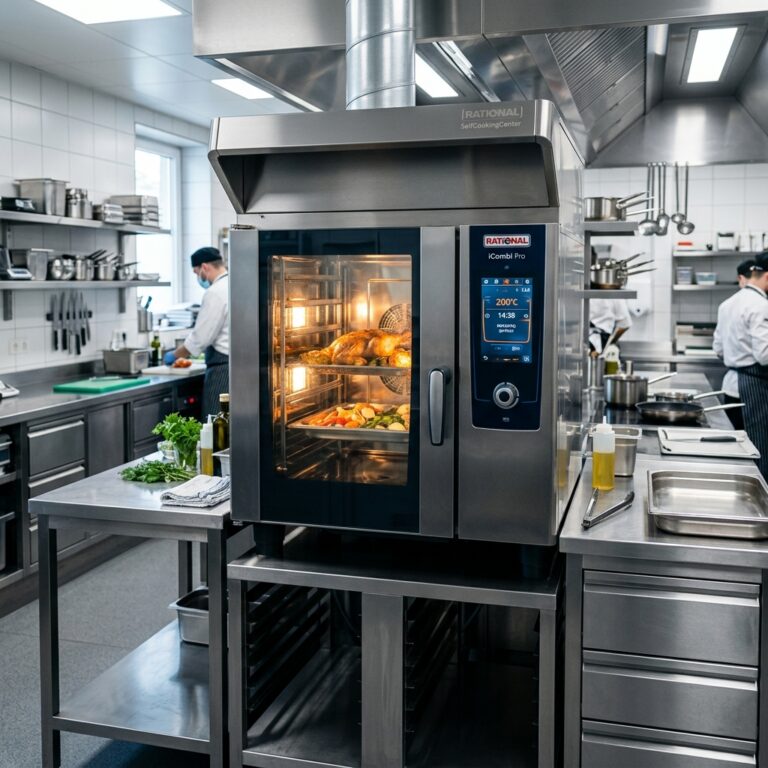
The ‘Infinite Kitchen’ isn’t a gimmick; it’s an operational beast. Currently deployed in over 30 locations and integrated into roughly 50% of new 2026 builds, this automated makeline is dispensing greens, grains, and dressings with relentless, robotic precision. The throughput metrics are off the charts, but the real unlock is margin expansion. By removing the human element from the hyper-repetitive act of scooping arugula, the error rate drops to near zero, portion control becomes mathematically perfect, and store-level EBITDA expands significantly.
“The move to spin off the hardware division was brilliant because running a restaurant is fundamentally different than running a robotics manufacturing plant,” explains Marcus Lin, a venture partner at a Silicon Valley food-tech fund. “Sweetgreen realized they are in the business of selling premium hospitality and fresh food, not fabricating metal parts. By licensing the Infinite Kitchen tech back from Wonder Group at near-cost, they get all the margin benefits of automation without the massive capital expenditure required to iterate the hardware.”
This is the playbook for QSR scaling in the late 2020s. You don’t need to build the robot; you just need to effectively integrate it into your user experience. The Infinite Kitchen allows Sweetgreen’s human team members to step out from behind the prep line and actually engage with the customer at the final touchpoints. For emerging tech-forward brands, the takeaway is massive: focus your capital on your brand moat and your customer acquisition loop, and outsource the heavy metal to the dedicated hardware startups.