PASADENA, CA – April 1st wasn’t just another day on the calendar for Pasadena’s restaurant industry; it marked a seismic shift. California’s new $20 per hour minimum wage for fast food workers, while ostensibly targeting larger chains, has sent shockwaves across the entire food service sector in cities like Pasadena. This isn’t a policy debate; it’s a brutal, immediate reality check forcing every operator to confront a cold, hard truth: adapt with ruthless efficiency, or face extinction. For businesses already operating on razor-thin margins, often single-digit net profits, this isn’t a challenge to navigate – it’s an existential threat demanding a complete overhaul of their operational blueprints.
As a journalist specializing in kitchen labor costs, operations, and labor conditions for Foodsatlas.com, I’ve seen countless market disruptions. But the speed and scale of this wage hike are unprecedented. It’s not just $4 more per hour; it’s a cascading cost explosion that demands more than mere price adjustments. This is about redefining what it means to run a restaurant in California.
The True Cost of a $20 Wage: Beyond the Sticker Price
Let’s strip away the sentiment. When the minimum wage jumps from $16 to $20 an hour – a staggering 25% overnight – the immediate impact on a restaurant’s P&L isn’t just a tweak; it’s a gut punch. But that $4 isn’t the whole story. Factor in the automatic spikes in payroll taxes, workers’ compensation premiums, and the unavoidable wage compression that forces operators to bump up the pay for their $18-$22/hour line cooks, prep staff, and experienced servers to maintain internal equity and prevent a mass exodus. Suddenly, a $4 increase per minimum wage employee balloons into a substantial, across-the-board payroll burden.
Consider a small Pasadena eatery with 10 full-time minimum wage employees. That’s an immediate, direct labor cost increase of approximately $83,200 annually (10 employees x $4/hour x 2080 hours/year). Add another 20-30% for payroll taxes and workers’ comp, and you’re looking at well over $100,000. This doesn’t even account for the required adjustments for mid-tier staff. For a typical restaurant running on 30-35% labor costs and a net margin often in the single digits, this isn’t a challenge; it’s an existential threat demanding brutal efficiency and, frankly, a cold assessment of every operational element.
Mandatory Operational Re-engineering: The Lean Imperative
Operators aren’t just adjusting their menus; they’re dissecting their entire business model. The era of loose operations is over. Lean isn’t just a buzzword; it’s the operational bible now. Every minute, every ingredient, every employee has to justify its cost.
Labor Optimization: Cutting to the Bone
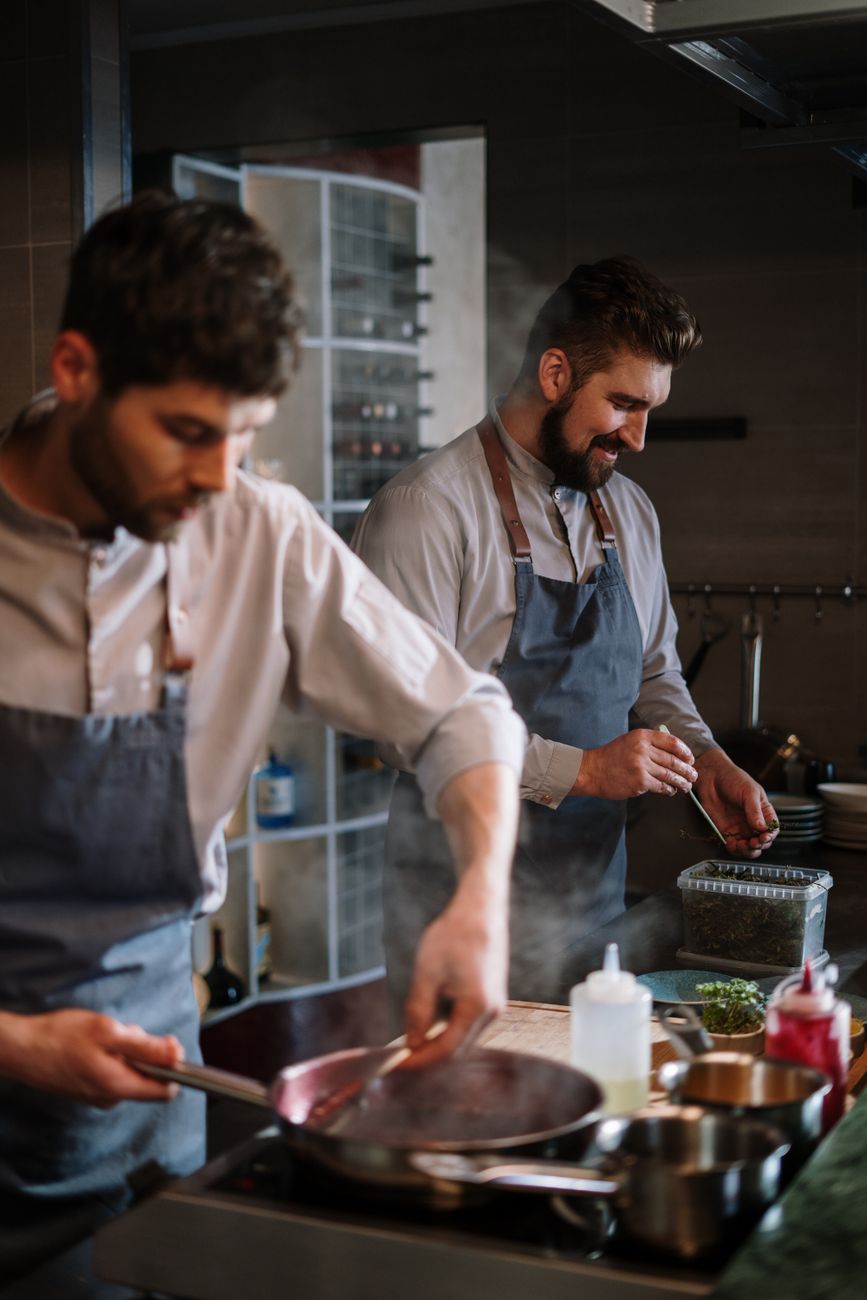
The first and most brutal response is often labor reduction. This means fewer employees per shift, multi-tasking roles to an extreme degree, and precision scheduling that leaves no room for error or idle hands. Front-of-house staff might be expected to handle more tables, clear their own dishes, and even assist with light prep work during downtime. In the kitchen, cross-training becomes paramount, and specialists become generalists. For some, it means converting full-service models to counter-service where feasible, drastically reducing the need for wait staff.
Technology Adoption: Automation as a Survival Tool
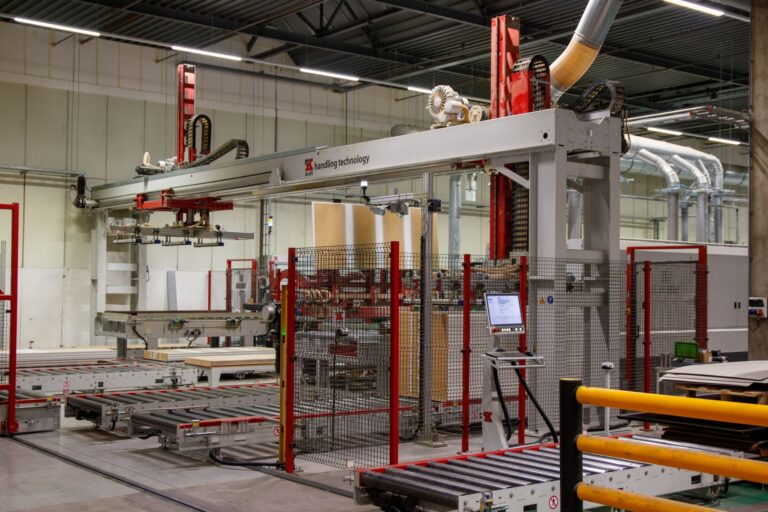
Investment in technology is no longer a luxury; it’s a strategic imperative. We’re seeing a rapid acceleration in the adoption of self-ordering kiosks, QR code-based menus and payment systems, and advanced Kitchen Display Systems (KDS) to streamline order flow and reduce human error. Back-of-house, automated inventory systems, smart prep equipment, and even early-stage robotics for repetitive tasks like frying or coffee making are moving from conceptual to essential. The goal is simple: squeeze every ounce of productivity from existing staff and automate where human labor becomes prohibitively expensive.
Menu Strategy: High Margin, Low Labor
Menu engineering is undergoing a radical transformation. Prices will rise, that’s inevitable, but operators are performing surgical adjustments. This means identifying items with high price elasticity and those with low. More importantly, it means shrinking menus, focusing relentlessly on high-margin, low-labor dishes. Complex, multi-stage preparations that tie up kitchen staff for extended periods are being scrutinized, often eliminated. Ingredient sourcing is under the microscope, too. Can a local, premium ingredient be swapped for a high-quality, but more cost-effective alternative from a larger distributor? Reducing waste through better portion control and inventory management also becomes a critical profit-protection strategy.
Business Model Adaptation: Evolve or Vanish
Beyond internal adjustments, some businesses are fundamentally rethinking their service models. Full-service dining, particularly at casual price points, is becoming increasingly difficult to sustain. We’re seeing shifts towards fast-casual concepts, expanded take-out and delivery-only models, and even the exploration of ghost kitchens for niche offerings. Some operators are also exploring service charges or administrative fees instead of relying solely on tips, attempting to create a more predictable revenue stream to offset wage costs.
The Battle for Margins and Survival: A Consolidated Future
This isn’t about thriving; for many independent operators, it’s about simply *existing*. While larger chains might have the scale and capital to absorb some of these costs or invest in automation more readily, even they are feeling the intense pressure. Independents, often the vibrant soul of Pasadena’s culinary scene, are the most vulnerable. Many will fail.
The consumer reaction remains a critical variable. How much higher can prices go before diners choose to eat at home more frequently, or opt for less expensive fast-food options not subject to the same wage mandates? This elasticity of demand will dictate the ultimate ceiling for price increases, adding another layer of uncertainty for operators. If higher prices drive away customers, revenue drops, exacerbating the wage burden.
This isn’t an isolated event; it’s a tremor that will reshape the economic ground beneath Pasadena’s entire service sector. We will see consolidation, closures, and a fundamental shift in the dining landscape. The market will weed out the weak and the slow. Supply chains will feel the pinch as demand shifts and some businesses fold. Real estate will see impacts as prime locations become unsustainable for struggling concepts.
Conclusion: Adapt or Die
The $20 minimum wage in California is not a temporary blip; it’s a permanent and defining feature of the operating environment. For Pasadena’s restaurants, the mandate is clear: innovate, optimize, or perish. There is no middle ground. The businesses that survive will be those that embrace lean operations, leverage technology aggressively, and meticulously re-engineer every aspect of their cost structure.
The industry in Pasadena, and indeed across California, will emerge from this crucible looking fundamentally different. Only the lean, the smart, and the ruthlessly efficient will survive this, setting a stark precedent for other high-cost markets. The gauntlet has been thrown, and the fight for survival has just begun.