Alright, let’s cut to the chase. 2023 wasn’t just another year for restaurant operators; it was a brutal political skirmish over the very soul of the industry’s labor model. As Foodsatlas.com, we’ve watched from the front lines as a cascade of legislative mandates, aggressive unionization drives, and an ever-tightening regulatory grip pushed the operational envelope to its absolute limit. Forget the polite chatter about ’employee engagement’ – this was about sheer survival, raw labor costs, and the relentless defense of an already razor-thin margin.
The politics of restaurant labor in 2023 shifted dramatically, not just in Washington, but in statehouses and city councils nationwide. What we saw was a coordinated, aggressive push to redefine the employer-employee relationship, effectively socializing a significant portion of labor costs onto the backs of business owners. This isn’t theoretical; it’s a direct assault on the principles of lean operations that have kept many establishments afloat.
The Unrelenting March of Wage Mandates
The most immediate and painful impact came from a renewed fervor for minimum wage hikes. California’s AB 1228, mandating a $20 minimum wage for fast-food workers, stands as a stark, chilling example of what happens when politics dictates economics. This wasn’t a gradual adjustment; it was a quantum leap that instantaneously redefined the cost structure for thousands of businesses. Operators weren’t just asked to pay more; they were told to. The ripple effect is undeniable: higher menu prices, reduced operating hours, and, yes, job losses as businesses scramble to offset the unprecedented jump.
But California wasn’t alone. Jurisdictions across the country debated and implemented their own versions of ‘living wage’ ordinances, often without a comprehensive understanding of how such mandates distort market forces and crush independent operators. For a kitchen running on tight schedules and even tighter budgets, every dollar added to the hourly wage translates directly into a decision point: do you pass it on, absorb it, or cut staff? For many, ‘absorb it’ simply isn’t an option when food costs are soaring and customer wallets are tightening. This isn’t just an HR problem; it’s a profitability crisis.
Unionization’s Resurgence: A New Front in the Labor Wars
Beyond wages, 2023 marked a significant uptick in unionization efforts, particularly within major fast-food and coffee chains. While often framed as a workers’ rights issue, for operators, it’s a profound operational challenge. Unionization introduces a new layer of complexity, not just in terms of potential wage and benefit increases, but in negotiation, grievance procedures, and a loss of direct managerial flexibility. The days of nimble, on-the-fly staffing adjustments become a bureaucratic nightmare. Collective bargaining agreements can ossify operational processes, making it harder to adapt to changing market demands or unforeseen challenges.
The success of these drives, however limited in absolute terms, sent a clear message: the labor landscape is becoming increasingly adversarial. This shift forces operators to dedicate resources to preventative measures, legal counsel, and, if necessary, arduous negotiations. It’s a significant diversion from the core business of serving food and managing a profitable enterprise, further eroding efficiency and adding to overheads that directly impact margin defense.
The Expanding Web of Regulatory Scrutiny
Wage mandates and union drives were just two prongs of a multi-faceted assault. 2023 also saw an expansion of regulatory scrutiny across various aspects of labor. Predictive scheduling laws, requiring employers to post schedules well in advance and pay ‘predictability pay’ for last-minute changes, gained traction. While ostensibly designed to provide stability for workers, these laws gut a restaurant’s ability to respond to unpredictable demand fluctuations, staffing issues, or even sudden weather changes. In an industry where flexibility is paramount, these rules are a straightjacket.
Furthermore, stricter wage theft laws, increased audits, and broader definitions of ’employee’ versus ‘independent contractor’ added to the compliance burden. Every new regulation, every new interpretation, is a potential landmine for operators already stretched thin. The cost of non-compliance isn’t just a fine; it’s a reputational hit, a legal battle, and a massive distraction from running the business. For those committed to lean operations, this means dedicating precious time and resources to navigating a legal maze rather than innovating or serving customers.
Operational Responses: Adaptation or Extinction
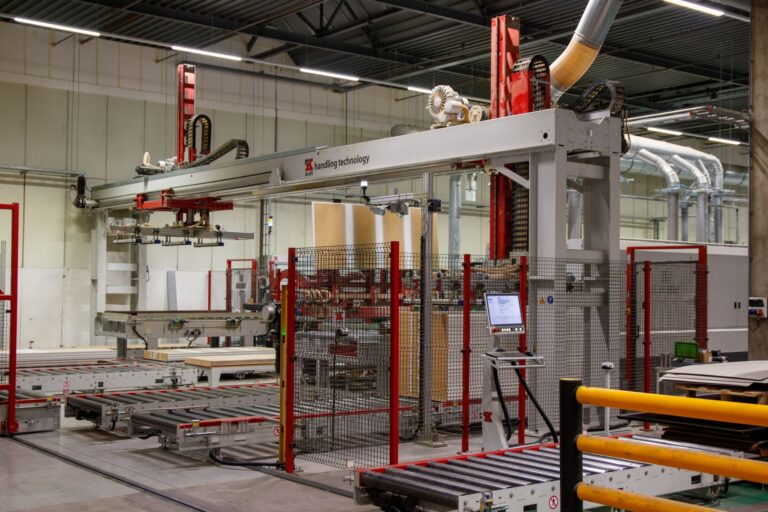
So, how did savvy operators respond to this politically charged environment? The answer is brutal pragmatism. For many, it meant an accelerated embrace of technology and automation. Kiosks replaced cashiers, robotic fryers entered kitchens, and AI-driven inventory and scheduling systems became less of a luxury and more of a necessity. This isn’t about replacing humans entirely, but rather about leveraging technology to mitigate the impact of rising labor costs and reduce dependence on a volatile labor pool. It’s about maintaining operational efficiency by any means necessary.
Menu engineering also became a critical tool. Simplifying menus, focusing on high-margin, less labor-intensive items, and optimizing ingredient usage were key strategies. Reducing complexity in the kitchen directly translates to fewer staff hours, less training, and less waste – all vital components of defending the bottom line. Some operators also adjusted their operating models entirely, reducing hours, closing on slower days, or even shifting to more streamlined, counter-service formats.
The human element, despite the political pressures, couldn’t be ignored entirely. Smart operators focused on improving retention through better training, a more positive work environment, and performance-based incentives where possible. But let’s be clear: this isn’t about charity. It’s about reducing the crippling costs of high turnover in an environment where every hiring mistake, every training cycle, is exponentially more expensive than before.
The Road Ahead: Unyielding Pressure
Looking ahead, the political pressures on restaurant labor are unlikely to abate. The narrative around worker empowerment is entrenched, and legislative bodies, eager to score political points, will continue to target the industry. Operators must recognize that 2023 was not an anomaly but a harbinger of a new normal: one where labor costs are not just a line item but a central, often volatile, strategic challenge.
Survival in this environment demands relentless focus on lean operations, aggressive margin defense, and a proactive approach to technology adoption. Those who fail to adapt, who cling to outdated operational models, will simply not make it. This isn’t hyperbole; it’s the cold, hard reality of running a restaurant business in an increasingly politicized and economically challenging landscape. The battle for the industry’s future isn’t over; it’s just getting started, and operators need to be ready to fight on every front.