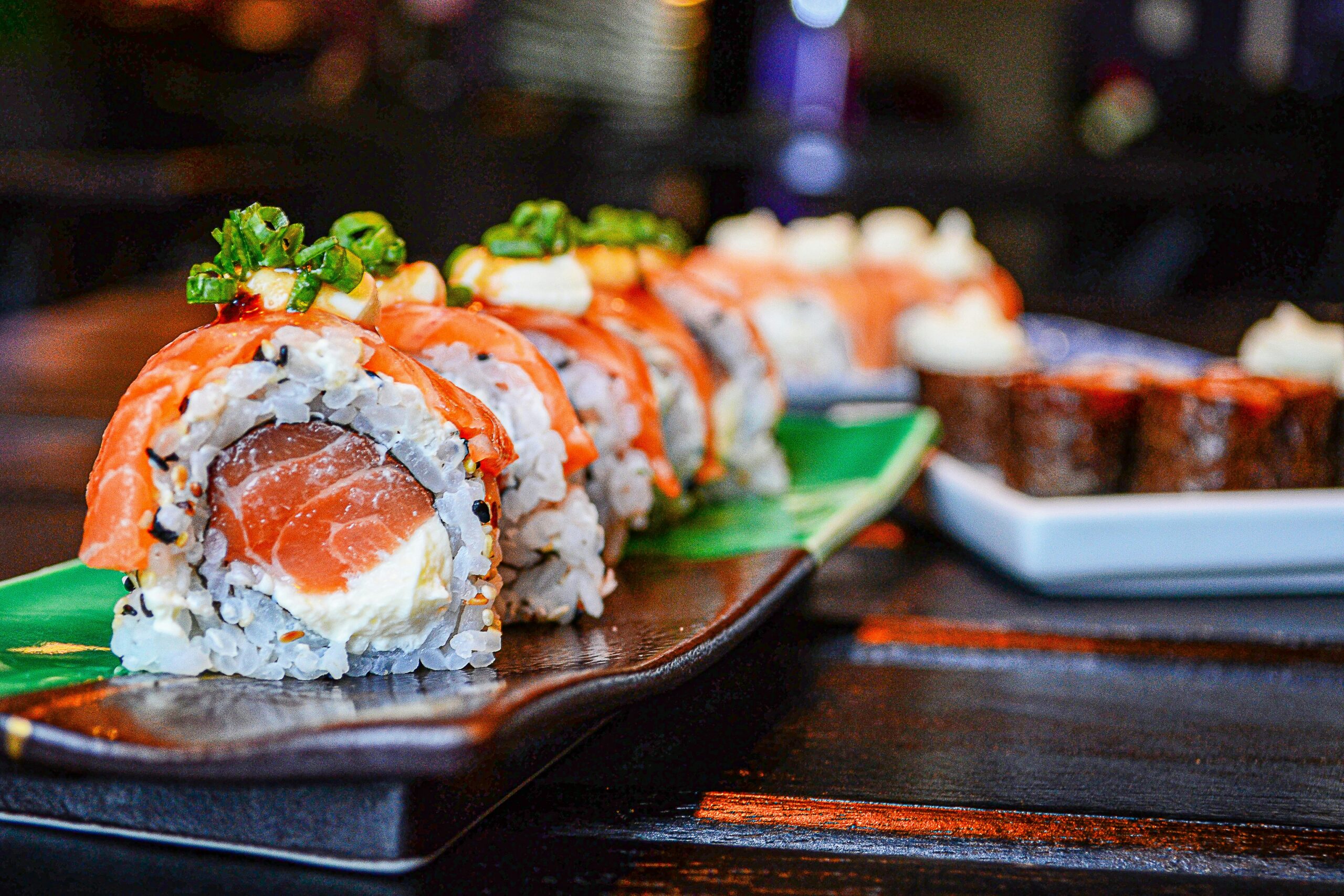
For casual dining operators in 2026, the geopolitical fragmentation of the global seafood trade is no longer a theoretical risk—it is a daily operational crisis. Escalating import tariffs, shifting oceanic trade routes, and climate-driven yield fluctuations have shattered the traditional models of predictive seafood procurement. While competitors scramble to source alternative suppliers, Japan-based Kura Sushi has deployed a radical countermeasure. By aggressively expanding its ‘Smart Kura Project’ from the dining room into the ocean, the brand is weaponizing artificial intelligence to seize total control over its upstream supply chain.
The technological intervention begins long before a fish reaches a robotic prep station. Kura Sushi is increasingly integrating AI directly into its aquaculture operations to secure its raw material pipeline. By deploying autonomous sensors and AI-driven feeding algorithms, the company can remotely monitor fish stocks, dynamically adjust feed inputs, and optimize harvest yields with ruthless precision. This is not a sustainability PR stunt; it is a hard-nosed, tech-driven hedge against volatile international seafood spot markets. By optimizing the biological growth cycle, Kura is effectively insulating its North American and Asian unit margins from external geopolitical supply shocks.
“The traditional fast-food supply chain is a relic,” asserts Dr. Takeshi Morita, a supply chain analyst focusing on East Asian logistics. “Kura Sushi understands that securing the future of their raw ingredients requires deep technological vertical integration. When you combine AI-managed aquaculture with their in-store robotic delivery systems and automated inventory forecasting, you have a closed-loop data ecosystem. They aren’t just reacting to the seafood market; they are using silicon to engineer their own supply stability.”
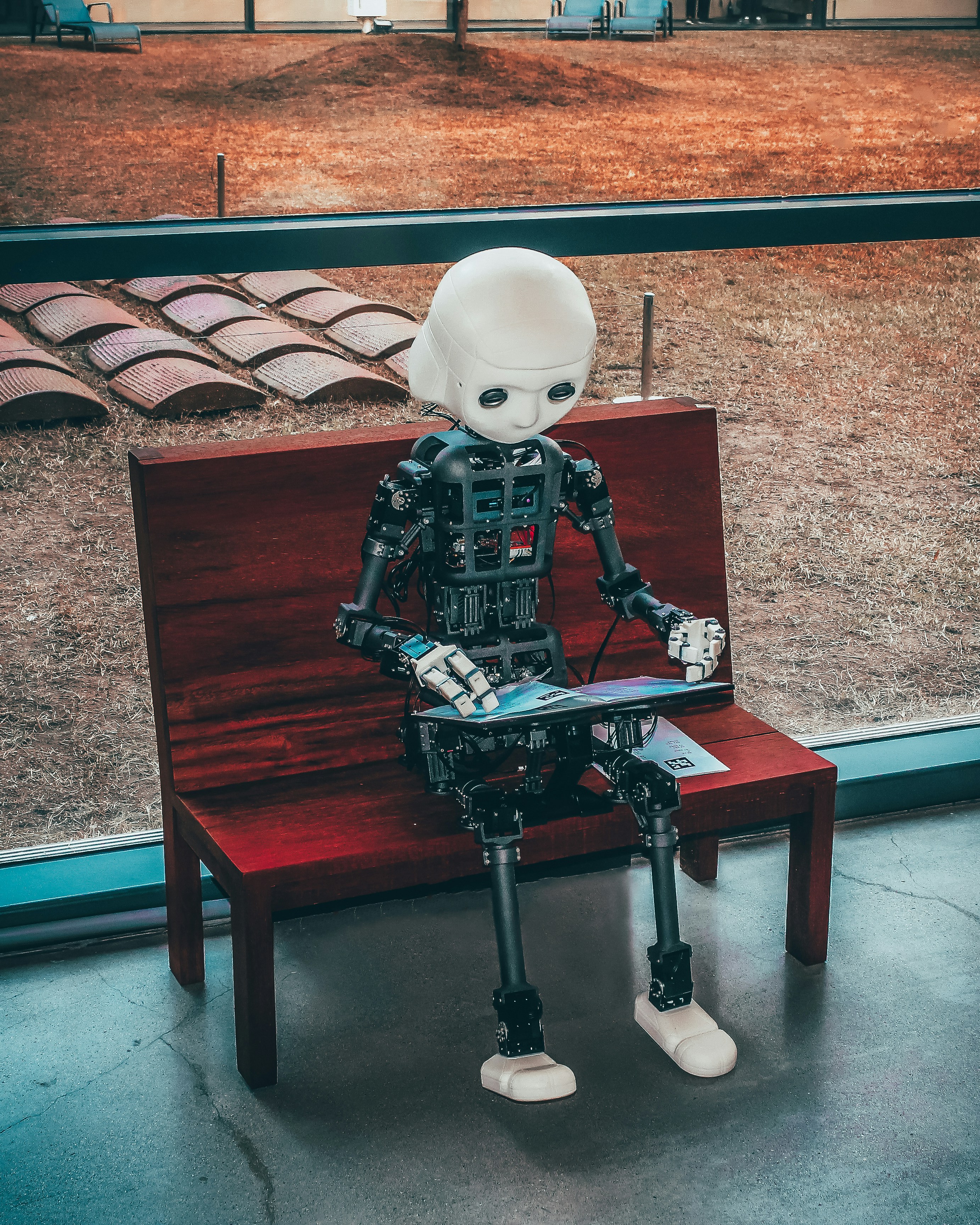
As Kura Sushi USA targets aggressive 20% annual unit growth through 2026, their reliance on this technological moat will only deepen. The implications for the broader foodservice sector are stark. In an era of escalating geopolitical friction and resource scarcity, supply chain security cannot be negotiated—it must be engineered.